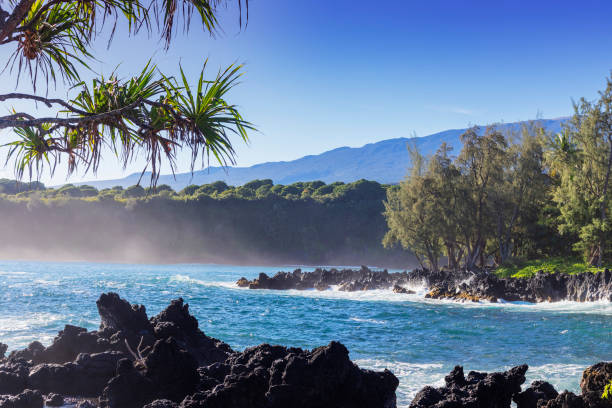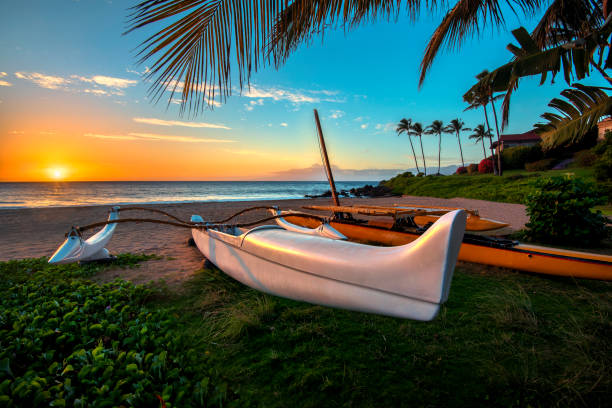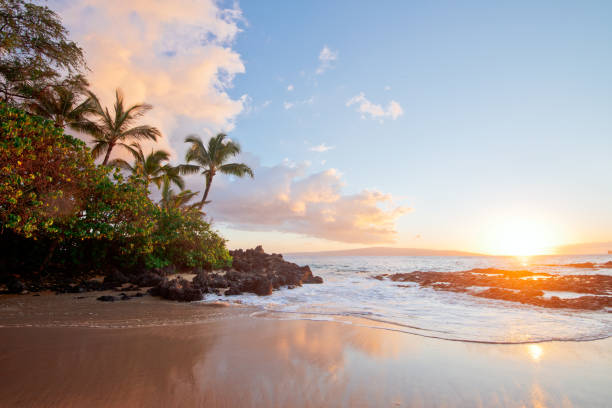
A trip to Maui can feel like a once-in-a-lifetime dream, but the price tag can make even determined travelers hesitate. The good news is that Maui does not have to be luxury-only. With flexibility, local knowledge, and a willingness to trade some convenience for adventure, you can experience the island’s beaches, waterfalls, culture, and food without spending like a resort guest. The goal is not to pinch every penny until the experience feels cheap. It is to spend where it matters, save where it does not, and travel in a way that respects the island and its people.
Flights and lodging usually consume the largest part of any Maui budget. Flexibility is your best friend. Prices climb during holidays, summer break, and peak whale season, so traveling in spring or fall can bring meaningful savings. Set fare alerts, check midweek departures, and use airline miles if you have them. Once you arrive, where you sleep shapes everything else. Resorts are lovely, but resort fees, parking charges, and expensive restaurants add up fast. Vacation rentals, condos, and locally owned inns in areas like Kihei, Wailuku, or Upcountry often include kitchens and free parking. If you are adventurous, Hawaii’s camping permits can make Maui surprisingly affordable, but reserve early and follow all rules. Staying in one region rather than hopscotching across the island saves gas, time, and stress.
Food is one of Maui’s great joys, and you do not need a fancy restaurant to eat well. Start with a grocery run at Costco, Foodland, or a farmers market. Keep breakfast simple at your rental, pack beach lunches, and save dinners for places you truly want to try. Plate lunch spots, fish markets, poke counters, and local bakeries serve outstanding food at fair prices. Happy hour can be a budget-friendly way to sample a nicer restaurant without the full dinner bill. Buy fruit from roadside stands, try shave ice after a hot hike, and carry a cooler and reusable water bottles. Supporting local businesses is part of the pleasure, and it often costs less than the resort version of the same meal.
Getting around Maui requires planning. A rental car is usually the most practical way to explore, but book early and compare airport taxes, off-airport agencies, and peer-to-peer options. A compact car is cheaper on gas and easier to park. Gas is expensive, so group errands and attractions by region. If you are staying in a walkable town for a few days, you may not need the car every day. The Maui Bus can work for some routes, and tour shuttles can handle specific adventures, though they are not always cheaper than driving yourself. For the Road to Hana, a do-it-yourself trip with a good guide app can save money, but drive with patience, respect private property, and never stop where signs forbid it.
The best Maui experiences are often free or nearly free. Beaches, coastal walks, sunsets, and many hikes cost nothing but time. Snorkeling from shore can be as magical as a paid boat trip if you check conditions and follow local advice. State parks and trails may charge small fees, and Haleakala National Park has an entrance fee and sunrise reservations, but these remain bargains compared with private tours. Rather than booking every activity, choose one or two splurges that matter to you, such as a luau, a snorkel sail, or a helicopter ride. For culture, visit museums, attend free hula or music events when available, and learn about Hawaiian history before you arrive. Budget travel can still be respectful travel.
The real secret to saving money on Maui is mindset. Set a daily budget, track your spending, and decide in advance what you will not compromise on. Carry cash for small markets and tips, avoid unnecessary ATM fees, and book directly with local operators when possible. Most importantly, remember that Maui is not just a playground. It is a living place with a deep culture, fragile environment, and communities that deserve care. Travel pono, leave no trace, stay out of closed areas, and spend your dollars with local businesses. When you do, a budget trip can feel richer than any luxury package. You may spend less, but you will notice more: the smell of plumeria, the sound of waves at dawn, the taste of fresh pineapple, and the aloha that makes Maui unforgettable.