Maui’s beaches are as varied as the island itself. A calm, aquamarine lagoon in Kihei can feel like a bathtub on a summer morning, while a winter swell at Kapalua can turn the same shoreline into a washing machine of white water and moving sand. That contrast is part of the magic, but it is also why beach safety on Maui begins with understanding shorebreak and ocean conditions. The water here is not a swimming pool. It is a living, breathing thing shaped by distant storms, trade winds, tides, and reefs.
Shorebreak is the wave that breaks directly on or very near the sand. On Maui, it is common at beaches with steep drop-offs, such as parts of Makena, Kapalua, and the north shore. Shorebreak can look playful, even small, but it carries tremendous force. When a wave breaks in shallow water, its energy compresses and slams downward, then rushes back with a violent pull. This is how neck and spinal injuries happen, often to visitors who turn their backs for a moment or dive into a wave that is already breaking. A two-foot shorebreak can be more dangerous than a six-foot wave breaking farther offshore. The rule is simple: never turn your back on the ocean, and never dive headfirst into a shorebreak.
Ocean conditions are the larger puzzle. Swell direction matters enormously. In summer, south swells can light up the beaches of South and West Maui, bringing bigger waves to normally calm areas like Kamaole, Wailea, and Lahaina. In winter, north and west swells arrive from the North Pacific, turning North Shore beaches like Ho’okipa, Paia, and Kanaha into world-class surf sites and making some west-facing beaches dangerous for swimming. Trade winds add chop, currents, and blowing sand. Tides change the shape of the beach and the depth of the water. A spot that is safe at low tide can become a surge zone at high tide, especially where lava rocks and reef shelves line the shore.
Wind and currents are the quiet hazards. Longshore currents can carry you down the beach without your noticing. Rip currents can pull you away from shore, often near breaks in the reef or around rocky points. If you are caught in a rip, do not fight it directly. Swim parallel to the shore until you are out of the pull, then angle back in. If you cannot make progress, float and wave for help. Maui’s lifeguards are highly trained, but they cannot be everywhere. Many remote beaches, especially along the Road to Hana and in East Maui, have no lifeguard service, no cell signal, and no quick rescue. There, self-reliance and caution are not optional.
Learning to read the beach is a skill worth practicing. Before you set down your towel, spend ten or fifteen minutes watching the water. Look for sets of larger waves, the pattern of lulls, and where the water is darker or choppier. Darker water often means deeper channels, reef, or current. White water exploding high on the beach means shorebreak power. Watch where other people are swimming, but do not assume they know more than you do. Ask a lifeguard about the day’s conditions, and be honest about your swimming ability. If you are traveling with children, stay within arm’s reach, and remember that a calm shoreline can still have a sudden drop-off or a powerful shorebreak.
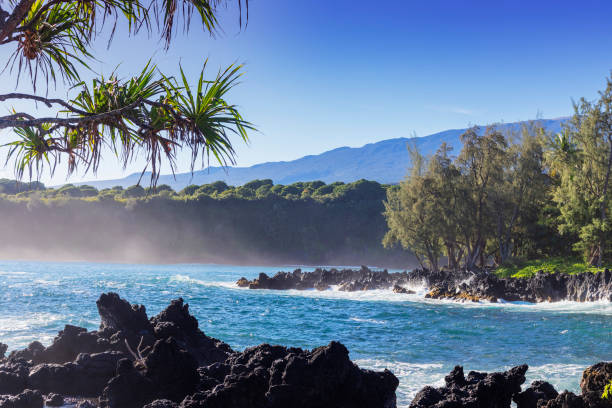
Different regions demand different respect. West Maui’s resort beaches can be gentle in the morning and rough by afternoon as the trades build. South Maui’s Kamaole and Wailea beaches are often family-friendly, but summer swells and shorebreak can surprise you. The North Shore is for watching, not casual swimming, when the surf is up. East Maui and Hana are breathtaking and remote, with rugged shorelines and limited help. Wherever you are, check the weather and surf forecast, look for warning signs, and never swim alone. Alcohol and ocean water are a terrible combination.
Maui’s ocean can give you the best day of your trip or the scariest hour of your life. The difference often comes down to preparation, observation, and humility. Respect the shorebreak, read the conditions, and know when to stay dry. The beauty will still be there.