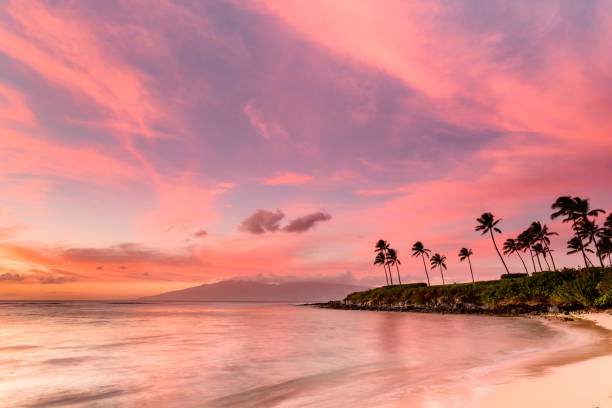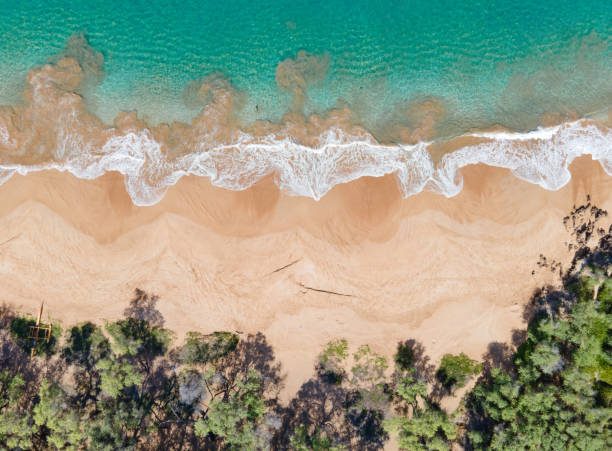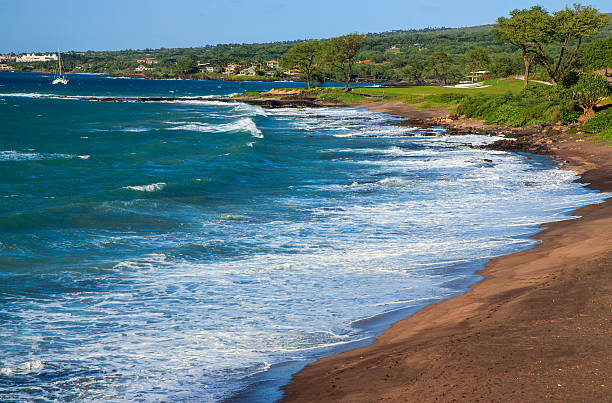
The first rule of any Maui beach day is simple: the ocean is not a swimming pool. It changes with tide, wind, swell, and season. That beauty draws people to Maui’s shores, but it also demands attention. Shorebreak and ocean conditions can turn a perfect afternoon dangerous in seconds. Learning to read the water before you step in is one of the most valuable skills you can bring to the island.
Each region has its own mood. The north shore, from Paia to Ho‘okipa, can be wild in winter with large northwest swells and strong currents. The west side, including Ka‘anapali and Napili, often feels calmer, but winter swells and sudden shorebreak still arrive. The south shore, from Kihei through Wailea and Makena, is gentler in winter yet can receive powerful summer south swells and dangerous shorebreak. The windward east side, around Baldwin and Kanaha, catches trade winds and wind swell, better for wind sports than casual swimming. Knowing your coast and the current swell is the first step in staying safe.
Shorebreak is the wave that breaks near the shoreline. It can be playful, but it can also be a “dumper,” a wave that pitches forward and explodes in shallow water. Dumpers can slam a person into the sand, hold them under, and cause neck and spinal injuries. The water may look waist-deep, but the bottom can drop away and the wave can be taller than it appears. Never dive headfirst into a shorebreak. Never turn your back on the ocean. If caught inside a breaking wave, stay low, cover your head, and let it pass rather than fighting it. If you are bodyboarding or surfing, know how to fall safely and never drop into a wave beyond your ability.
Ocean conditions are always shifting. Tide, wind, swell direction, and swell period all matter. A long-period north swell can send big waves to north and west shores in winter, while a south swell can bring surprising energy to south-facing beaches in summer. Trade winds can chop the surface and build currents. Low tide can expose sharp reef and make waves break harder; high tide can create stronger backwash. Before you go, check a reliable forecast. Buoys and surf reports can tell you what is building offshore, but they cannot tell you exactly what is happening at your beach. That is why you must watch the water yourself.
Spend ten to fifteen minutes on the sand before entering. Look for larger sets and the calmer lulls between them. Notice where waves break and where water returns to the sea. That return flow can form a rip current, a narrow river moving away from shore. Rip currents do not pull you under; they pull you out. If caught in one, do not panic and do not swim straight back to shore. Float, stay calm, and swim parallel to the beach until the current releases you, then angle back in. If you cannot swim out, wave for help and keep your head above water.
Lifeguards are your best resource. If a beach has a lifeguard tower, swim near it and ask about conditions. Heed flags and warnings. If there is no lifeguard, be even more cautious. Never swim alone, and watch children constantly. A shorebreak wave can knock an adult off their feet, and a child in knee-deep water can be pulled out quickly. Flotation toys are not a substitute for supervision. Alcohol and the ocean are a terrible combination; they impair judgment, balance, and reaction time.
Reefs, rocks, and changing weather add another layer. Lava rock and coral can cut, and waves can push you onto them. Enter and exit carefully, and never stand on coral. Morning can be calm while afternoon brings strong trade winds and choppy water. A beach that felt safe at noon may be dangerous by three o’clock. Respect your limits; a heavy break ridden by locals may not be right for you. Sometimes the wisest choice is to enjoy the view, take photos, and save the swim for a calmer day. Maui’s ocean is breathtaking, but it is not tame. Read it, respect it, and you will enjoy it more safely.