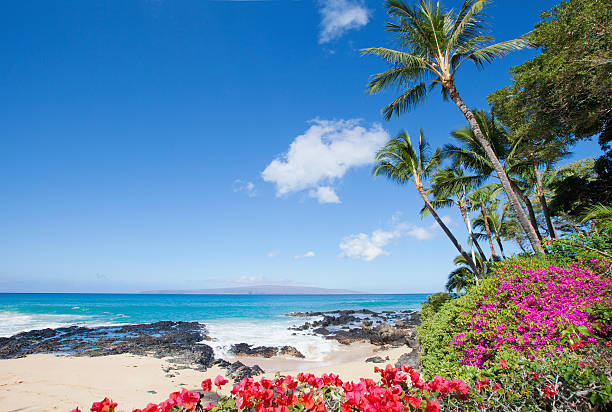
South Maui is the sun-drenched leeward coast of the island, where the West Maui Mountains fade behind you and the ocean opens wide toward Kaho’olawe and Lana’i. The beaches here are not all the same. They shift from casual Kihei to polished Wailea to wild Makena, and that variety is exactly what makes a beach-hopping day so rewarding. You can start with coffee and a snorkel mask in Kihei, spend midday on a resort beach in Wailea, and end with salt in your hair watching the sun drop behind a lava point in Makena.
Kihei is the easygoing heart of South Maui. Kamaole Beach Parks I, II, and III offer three sandy coves with grassy lawns, showers, and plenty of room to spread out. Kamaole I often has the liveliest scene, with families, paddleboarders, and swimmers enjoying calm mornings before the trade winds arrive. At the north end, Charley Young Beach is a gentle favorite for swimming and beginner snorkeling. The Cove at Kalama Park is a small, rocky spot popular with surfers and sunset-watchers, while Kalama Park itself gives kids a playground and open fields. Kihei’s beaches are great for convenience: you can walk from a condo, grab shave ice, and be back in the water within minutes. For a quieter pause, Waipuilani Park offers open grass and broad views without the bustle.
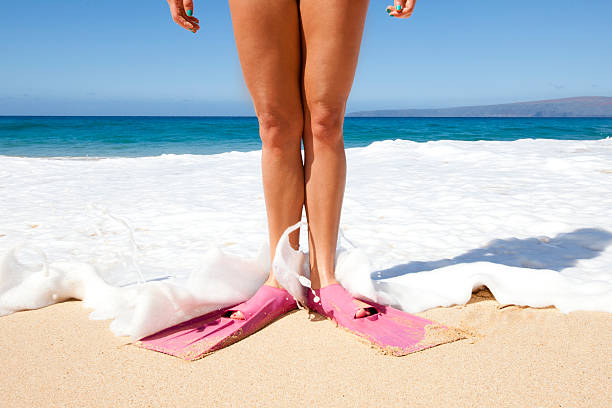
Wailea changes the mood. The beaches here are broader, the landscaping more manicured, and the water often clearer for snorkeling. Ulua Beach and neighboring Mokapu Beach are two of the best morning snorkel spots in South Maui. The entry is sandy, the reef edges are lively, and you may see butterflyfish, tangs, and the occasional green sea turtle. Keawakapu Beach, sitting between Kihei and Wailea, is a long golden strand that feels less resort-focused. It is perfect for a barefoot walk, a swim, or a sunset picnic. Wailea Beach, fronting the Grand Wailea and Four Seasons, has calm water for paddleboarding and swimming, plus amenities nearby. Polo Beach, at the southern end, offers good swimming and snorkeling near rocky points, though conditions can change quickly. Palauea Beach, often called White Rock, is another local favorite for snorkeling when the water is calm.
Makena is where South Maui feels more raw. Makena State Park is home to Oneloa, or Big Beach, a wide expanse of golden sand backed by kiawe trees and a steep cinder cone. Big Beach is stunning, but the shorebreak can be powerful, especially in winter and when the surf is up. It is a beach for respect, not careless charging. Little Beach, just over the rock, has a more bohemian vibe and is informally clothing-optional; it is also a famous sunset spot, though access and rules can change. Maluaka Beach, often called Turtle Town, is a gentler choice for snorkeling and families, with soft sand and frequent turtle sightings. Makena Landing is a small cove where kayak tours launch and snorkelers often meet sea turtles. Oneuli Beach offers dark sand and quiet beauty, while Po’olenalena Beach has shady kiawe trees and a relaxed local feel.
A perfect South Maui beach day depends on timing. Go early for snorkeling, because the wind usually builds by late morning and afternoon chop can cloud the water. Bring reef-safe sunscreen, water, a hat, and a light jacket for sunset. Check the weather and surf report, and never turn your back on the ocean. Use lifeguarded beaches when possible, and ask locally about currents and shorebreak. Parking at Ulua, Wailea, and Makena fills quickly, so arrive before nine if you want a prime spot. Respect the land and water: keep distance from turtles and monk seals, do not stand on coral, and pack out everything you bring.
The joy of South Maui is that you do not have to choose just one beach. Let Kihei give you ease, Wailea give you polish, and Makena give you drama. Between them, you will find tide pools, snorkel reefs, picnic lawns, surf breaks, and sunsets that make you understand why people return to Maui year after year. Whether you are planning your first trip or your tenth, a day spent moving along this coast is a day well spent.