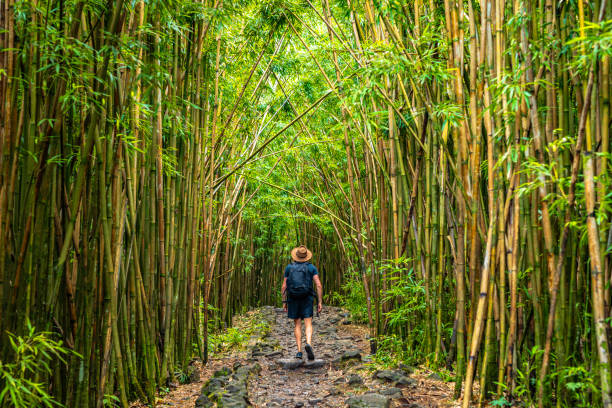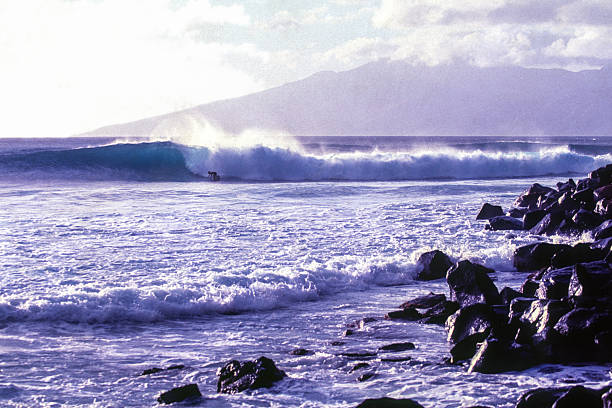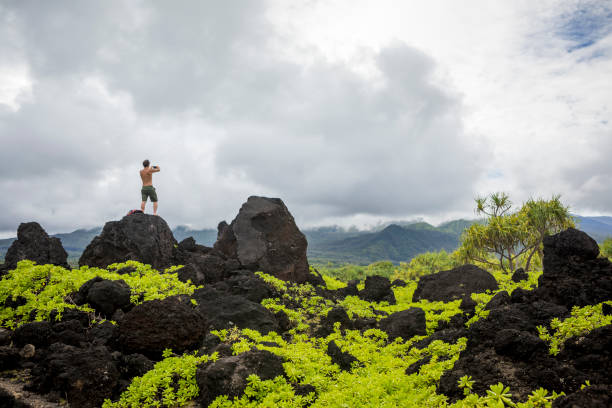
The West Maui Mountains and the central valley often get overshadowed by Haleakala, but hikers who explore these trails find a Maui that feels intimate, wild, and deeply alive. Nowhere is that clearer than in the green folds of West Maui and the warm plains of Central Maui. A morning can begin in misty cloud forest and end beside a turquoise bay. For travelers who dream of Maui, these trails offer a way to move beyond the beach and into the island’s living landscape.
The Waihee Ridge Trail is one of the most rewarding hikes in West Maui. It climbs through pasture, then enters a forest of guava, ohia, and ferns, often wrapped in clouds. The trail is about five miles round trip and gains roughly fifteen hundred feet, but the effort pays off with sweeping views of the Waihee Valley, Kahului Harbor, the central isthmus, and Haleakala across the channel. On clear mornings, the mountain ridges look like green waves frozen in stone. Because the trail can be muddy and slick, sturdy shoes and a light rain jacket are wise. Start early, both for cooler temperatures and for the chance to see the summit before clouds settle in.
The Lahaina Pali Trail crosses the dry, windy saddle between the West Maui Mountains and Haleakala. The trail follows an old road used by travelers long before modern highways. It is exposed and hot, with little shade, so sunrise or late afternoon is best. The reward is a raw, elemental landscape of volcanic rock, kiawe trees, and wide views of the ocean, Kahoolawe, Lanai, and the central valley. Hikers can choose to walk a portion or arrange a shuttle for the full traverse. This is a place to feel the island’s scale and the power of the trade winds.
Along the northwest coast, the Kapalua Coastal Trail is gentler and more family-friendly. It winds past tide pools, lava formations, and sandy coves, linking Kapalua Bay with D.T. Fleming Beach. The famous Dragon’s Teeth rock formation is a short detour, and in winter you might spot humpback whales spouting offshore. It is less a mountain hike than a coastal walk, but it shows how hiking here can be relaxed, scenic, and full of ocean life.
Inland, the Mahana Ridge Trail climbs from the coast into the forest above Kapalua. It is a longer, steeper route, often shaded and quiet, leading toward the Maunalei Arboretum. The trail rewards patience with native and introduced trees, bird song, and occasional views through the canopy. It is a reminder that West Maui’s mountains hold cool, hidden forests that feel far from the resort coast.
Central Maui offers a different flavor of hiking. Iao Valley State Monument, just above Wailuku, is one of the island’s most sacred and dramatic places. The paved path leads to a viewpoint of the Iao Needle, a green pinnacle rising from the valley floor. The stream below is cool and clear, and the surrounding walls are often misted with rain. This valley was the site of the Battle of Kepaniwai in 1790, so visitors should walk with respect. The trail is short and accessible, but it can close after heavy rain because of flash flood danger. Reservations may be required for non-residents, so plan ahead.
Nearby, the Hawaii Nature Center and its surrounding paths offer a gentler introduction to Maui’s ecosystems, especially for families with children. Further toward the coast, the Kealia Coastal Boardwalk provides an easy walk over wetlands where Hawaiian stilts, coots, and other birds feed. It is especially lovely at sunset, when the West Maui Mountains turn pink and the sky reflects in the shallow ponds. This is not a strenuous hike, but it is a beautiful way to experience Central Maui’s natural side.
What ties these trails together is respect and preparation. Maui’s weather changes quickly, and a sunny start can become a downpour. Carry more water than you think you need, wear shoes with grip, and check trail conditions before setting out. Stay on marked paths, pack out everything you bring, and never take rocks or plants home. Many trails cross private or culturally sensitive land, so quiet respect is part of the experience.
Whether you are scrambling up a cloud-soaked ridge, crossing a windy ancient trail, or strolling a boardwalk at dusk, West Maui and Central Maui reward curiosity. They show a Maui beyond the postcard, where the land still tells stories of fire, rain, and renewal. For the traveler who dreams of Haleakala and the island’s wild heart, these trails are a perfect place to begin.