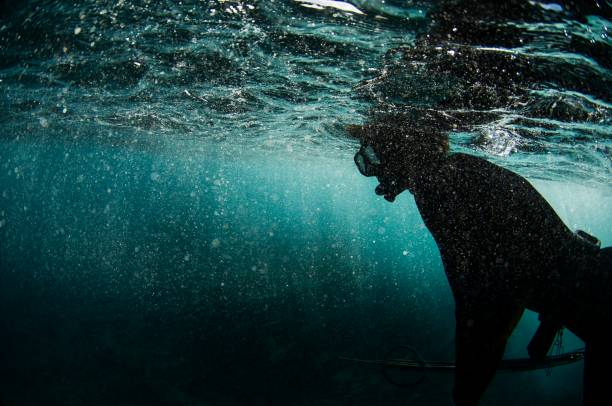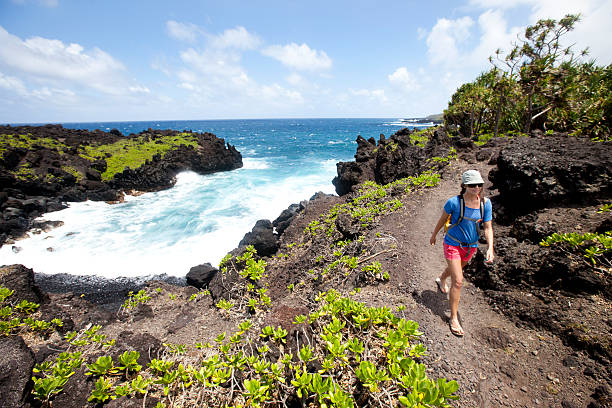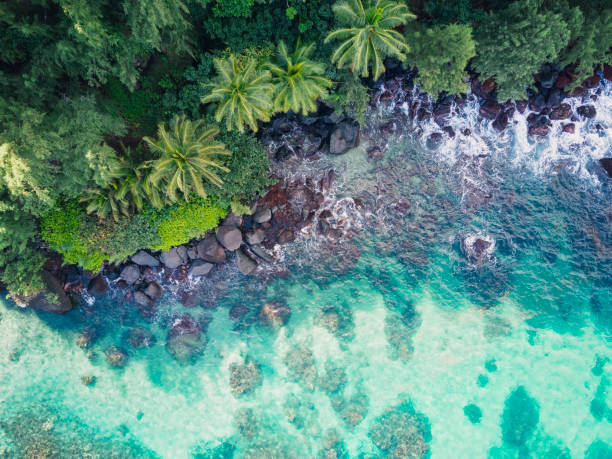
Peahi, known worldwide as Jaws, is not the Maui of calm snorkel bays and sunset mai tais. It is the island’s raw, thrilling edge, a stretch of North Shore coastline near Haiku where a deep-ocean swell can rise up and detonate into one of the most famous big-wave arenas on the planet. For travelers who love surfing, even from a distance, a winter pilgrimage to Peahi can be unforgettable. The key is knowing what you are watching, when to go, and how to do it with respect.
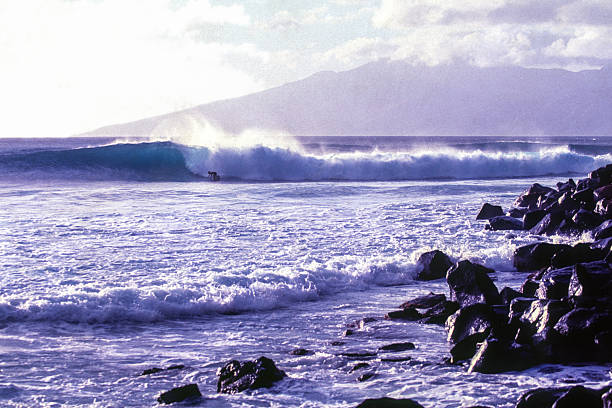
Jaws works because of a rare combination of geography and weather. Powerful North Pacific storms send swell energy thousands of miles toward Maui. When that energy reaches Peahi’s shallow reef, it jackknifes upward, turning open-ocean momentum into towering walls of water. Waves can range from impressive to monstrous, with the biggest days reaching forty, fifty, or even sixty feet on the face. The wave breaks far offshore, so the lineup is not a simple paddle from the beach. This is why Peahi helped revolutionize tow-in surfing in the 1990s, when pioneers like Laird Hamilton and his partners used jet skis to tow into waves. Later, a new generation proved they could paddle in, using specialized big-wave guns and inflatable safety vests, changing the sport again.
For visitors, the first lesson is that Jaws is not a theme park. There are no grandstands, no ticket booths, and no guarantee that the wave will show up during your vacation. Big swells are episodic, mostly between November and March. Then a forecast changes, and the world’s best big-wave surfers, photographers, safety crews, and media descend on the North Shore. If you happen to be on Maui during one of those swells, you are witnessing a rare alignment of ocean power and human courage.
The safest and most respectful way to see Peahi is from a designated viewing area on the cliff above the bay, or through a reputable boat tour that understands the rules. Do not hike down to the shoreline. The water at the edge can surge without warning, and wet rocks are unforgiving. Stay behind any ropes or barriers, park legally, and never block private driveways or roads. Local residents live here year-round; a big-wave day can bring sudden traffic, noise, and crowds. Being a good visitor means arriving with patience, leaving no trash, and treating the area like someone’s neighborhood, because it is.
Binoculars and a zoom lens help, but the experience is also felt in your chest. The sound of a fifty-foot wave hitting the reef is part thunder, part explosion. The crowd on the cliff gasps, cheers, and falls silent together. What many people remember most is not just the size of the wave but the teamwork. Safety teams watch every surfer, tow drivers position themselves, and spotters scan the horizon for the next set. Big-wave surfing at this level is less a solo stunt than a coordinated dance of humility, preparation, and trust.
If you are a surfer, be honest about your limits. Peahi is not a bucket-list paddle for the average strong swimmer. It demands years of experience, specialized equipment, breath training, and a local crew that knows the reef. Even expert visitors should seek guidance before assuming they can join the lineup. Respect that, and you will enjoy the spectacle far more.
Watch reliable surf forecasts and buoy data in the days before a swell. Understand that conditions can change quickly, and a promising forecast may fizzle or shift. Bring rain gear, sun protection, water, and closed shoes. Expect limited facilities and spotty cell service. If you go with a tour, choose an operator that keeps a safe distance from surfers and wildlife. Never fly a drone near the lineup; it distracts athletes and can be dangerous.
Head into Paia or Haiku for food, coffee, and conversation. Local shops and cafes often carry the day’s stories, and the slower pace balances the intensity of the cliff. Whether you score a massive swell or simply stand above a quiet bay, Peahi teaches the same lesson Maui teaches everywhere: the ocean is beautiful, powerful, and worthy of awe. Go with curiosity, leave with respect, and let Jaws remind you how small and lucky we are.