Maui has a way of slowing you down. Nowhere is that rhythm more evident than in longboarding. On a classic single-fin log, surfing becomes less about explosive moves and more about trim, glide, and conversation with the wave. It is a style rooted in Hawaiian tradition, refined on Maui’s reefs and beach breaks, and still practiced by riders who value elegance over aerials. For travelers who dream of Maui, longboarding offers a doorway into the island’s surf culture that feels both timeless and welcoming.
Longboarding’s Maui story begins with Hawaiian surfing itself. Centuries before foam boards and leash plugs, Hawaiian surfers rode long wooden boards, from the heavy olo to the smaller alaia. Surfing was woven into community life, spiritual practice, and royal sport. When it nearly disappeared in the nineteenth century, it survived in places like Waikiki and Lahaina, where beach boys and Hawaiian watermen kept the stoke alive. The longboard was central to that revival. On Maui, breaks like Lahaina Harbor and the West Side coves became training grounds for a style that emphasized grace, patience, and respect for the ocean. That heritage shows up every time a surfer cross-steps to the nose, hangs ten, or stands tall in the pocket with a relaxed soul arch.
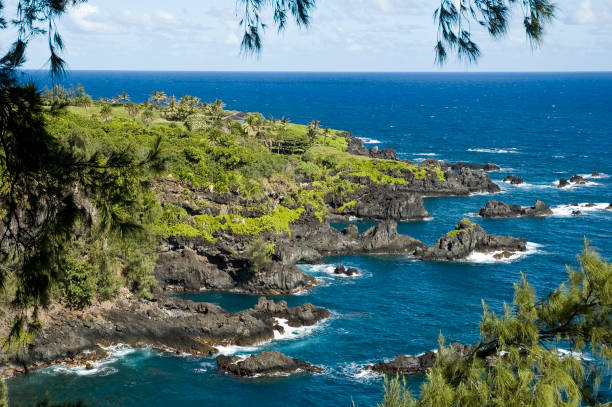
The island’s geography makes it a remarkable longboard classroom. In summer, south swells wrap into Kihei and Lahaina, creating long, forgiving waves at spots like The Cove, Charley Young, Launiupoko, and Ukumehame. These waves reward timing and footwork rather than brute force. A good longboard wave here can be a quarter-mile glide, offering time to adjust your stance, look down the line, and feel the board hum beneath your feet. In winter, north swells bring power to the North Shore, where Honolua Bay and other breaks can challenge experienced surfers. Longboarding there demands respect for reef, crowd, and local etiquette. The reward is a different kind of ride: faster, more critical, but still rooted in classic lines.
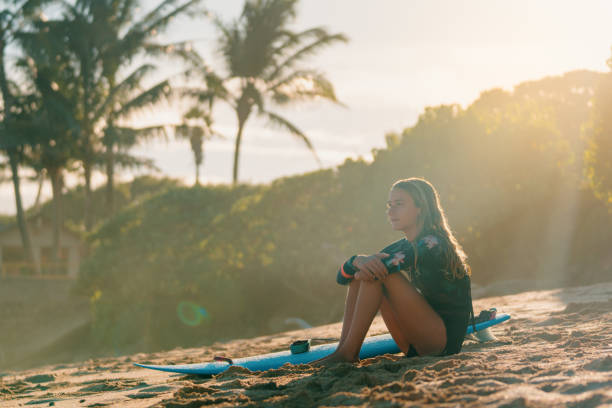
Classic surf style is often misunderstood as easy. It is not. Riding a nine- or ten-foot board with a single fin requires precise positioning, strong paddle fitness, and an intuitive feel for where the wave is going. You learn to read the curl before it breaks, to walk the board without looking down, to stall and trim, to drop-knee around a section, and to finish a noseride without losing speed. Equipment matters, too. A heavier log with a wide nose, a pivot fin, and a bit of tail rocker can turn a soft wave into a dance floor. Many Maui longboarders ride traditional shapes, sometimes with volan glass and wooden fins, honoring the look and feel of earlier eras. It is a living style that connects the rider to the wave’s energy and to generations of surfers who came before.
Longboarding on Maui also comes with responsibilities. The lineup is a shared space, and local surfers often have deep ties to these breaks. Visitors can honor that by watching before paddling out, giving way to riders already on waves, paddling wide of the peak, and never dropping in. A lesson from a local instructor is one of the best ways to learn both technique and protocol. Early mornings usually offer the cleanest conditions before trade winds pick up. Reef breaks may require booties and careful entry. Sunscreen, water, and patience are essential.
The beauty of a Maui longboard trip is that it can shape an entire day. You might start with dawn patrol at a gentle South Shore break, then spend the afternoon exploring a scenic drive or hiking a rainforest trail. After a sunset session at Launiupoko, where the sky turns pink and the water turns gold, you can share stories over fresh fish tacos, poke, or a cold drink. Surf culture here is not separate from island life; it is part of the same rhythm. Longboarding simply makes that rhythm visible.
For the frequent traveler, Maui longboarding is a way to return with fresh eyes. For the dreamer, it is a reason to plan that first trip. The payoff is a sense of glide that stays with you long after you leave. In a world that moves fast, Maui’s classic surf style invites you to slow down.