Maui is not a checklist. It is an island of distinct regions, each with its own weather, rhythm, and history, and the best itineraries leave room for all three. A first-time visitor may dream of sunrise atop Haleakalā, the winding Road to Hāna, and snorkeling with tropical fish, but the real magic often appears in the unplanned moments: a shave ice stop in Pāʻia, a quiet afternoon on a neighborhood beach, or a conversation with a kamaʻāina who shares the story behind a local place name. Planning well means choosing a base, grouping activities by region, and respecting the island’s pace rather than trying to conquer it.
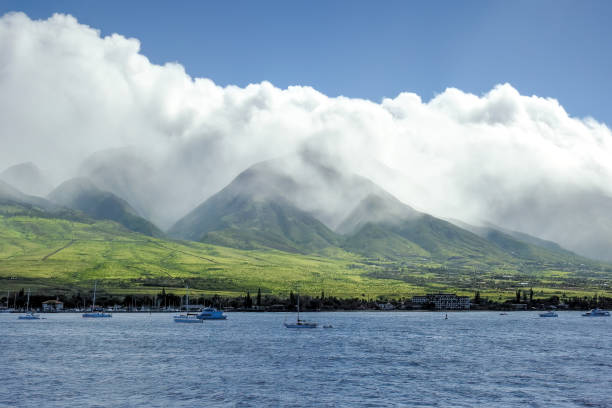
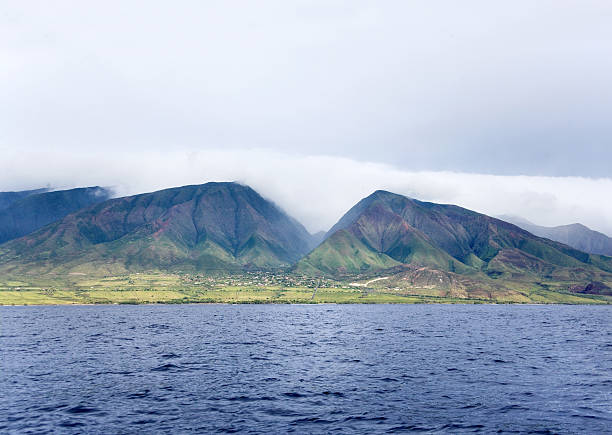
Start with geography. West Maui, South Maui, Central Maui, Upcountry, the North Shore, and East Maui all feel like different worlds. If you stay in Kaʻanapali or Kapalua, you can spend mornings snorkeling at Honolua Bay or Kapalua Bay before exploring the historic streets and recovery efforts in Lāhaina. From Kīhei or Wailea, you are close to Kamaole beaches, Makena, and Molokini. Hāna is not a day trip to rush; staying overnight lets you experience the waterfalls, pools, and quiet after the day-trippers leave. Choosing one or two bases reduces windshield time and leaves more energy for actual experiences.
Culture and history belong in any itinerary, not as an add-on. Long before tourism, Maui was organized into ahupuaʻa, land divisions that ran from mountain to sea and supported communities through shared stewardship of water, reefs, and forests. Heiau, fishponds, loʻi kalo, and ancient trails still mark the landscape. Visitors can learn by visiting places like ʻĪao Valley State Monument, the Bailey House Museum, and cultural sites in Hāna, but respect matters more than photos. Stay on trails, obey closures, do not remove rocks or artifacts, and treat sacred places as sacred. Lāhaina’s history as a royal capital and whaling port is deeply significant, and as the community continues to heal after the 2023 fires, travelers should check current guidance and support local businesses with care.
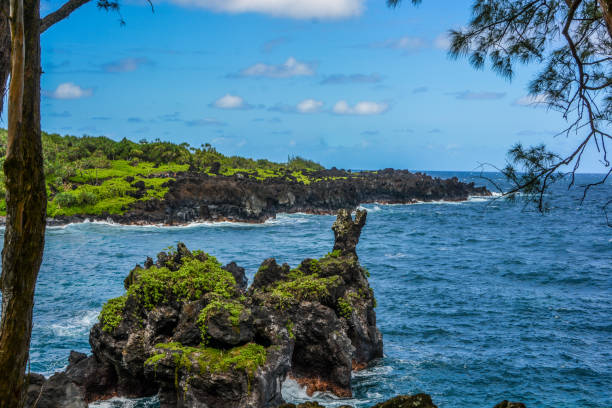
For a balanced five-to-seven-day trip, think in themes rather than forced daily schedules. Give one day to Haleakalā, whether sunrise with a reservation or a sunset and stargazing trip that lets you sleep in. Give another full day to the Road to Hāna, starting early, driving slowly, and yielding to locals. A water day might include Molokini, Turtle Town, or a kayak and snorkel outing from Makena, always with attention to ocean conditions. Add a beach day for rest, a food day for fish tacos, plate lunch, poke, and shave ice, and a culture day for a museum, a hula performance, or a farm tour.
Different travelers need different shapes. Families with young children may trade a sunrise drive for tide pools at Baby Beach, a visit to the Maui Ocean Center, and easy snorkeling at Kamaole I, II, or III. Couples might choose a sunset sail, a spa afternoon, and dinner in Upcountry. Adventurous travelers can hike in Haleakalā crater, bike downhill, surf at Hoʻokipa, or take a helicopter flight over West Maui and Molokaʻi. Solo travelers often love the sociable hostels and cafés of Pāʻia, while slow travelers may spend a week in Hāna or a cottage in Haʻikū, doing little and seeing much. Budget-conscious visitors can camp, cook, and prioritize free beaches and hikes; luxury seekers can book resorts, private guides, and fine dining. The point is to match the plan to your energy, interests, and respect for the place.
Practical choices protect both your trip and Maui. Book popular reservations early, especially Haleakalā sunrise, Molokini snorkel tours, and well-regarded restaurants. Never turn your back on the ocean, and check surf and wind reports before entering. Drive with aloha on narrow roads, letting faster local traffic pass. Support businesses owned by residents, buy from farmers markets, and take only pictures. If you can, add a volunteer morning with a restoration project or fishpond group; it turns a vacation into a relationship.
The ideal Maui itinerary is not the one that collects the most sights. It is the one that leaves you feeling connected to the island’s beauty, its people, and its stories. Plan enough to avoid stress, but leave blanks for surprise. Wake early when it matters, rest when you need to, and let Maui set the rhythm.