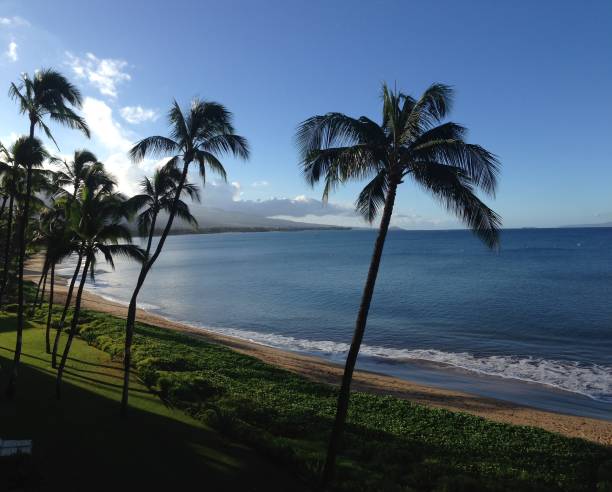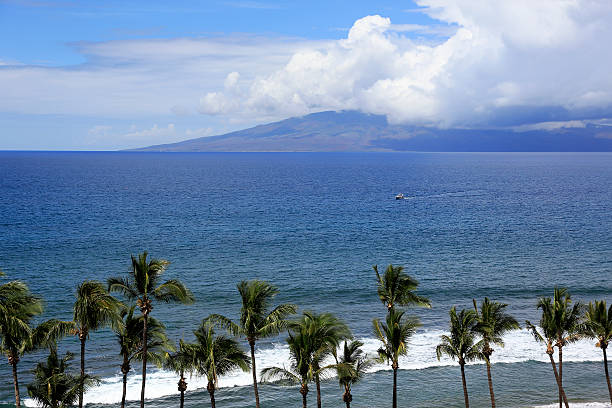
Maui has long been a magnet for wind athletes. The island sits in the path of steady Pacific trade winds, while its volcanic coastline offers an extraordinary variety of launches. From the world-class waves at Ho’okipa to the flat-water lagoons of Kihei, Maui gives windsurfers and kitesurfers a rare combination: consistent wind, warm water, and scenery that makes every session feel like a postcard.
Maui’s trade winds typically blow from the northeast, accelerating as they funnel between Haleakala and the West Maui Mountains. This Venturi effect can turn a gentle breeze into a 20-to-30-knot machine, especially from May through September. Winter can still deliver great days, but the wind is less predictable. Before rigging or pumping a kite, check the forecast, wind readings, and tide charts. A morning that looks calm in Kihei may be howling at Kanaha by noon.
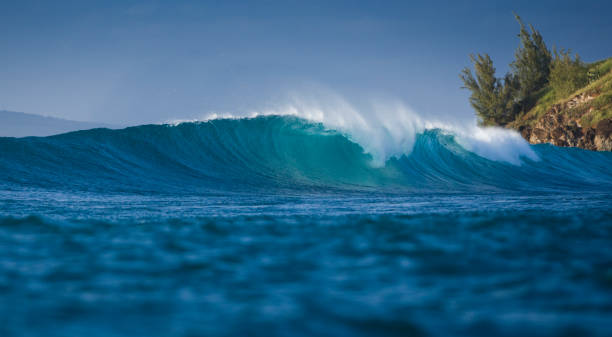
For windsurfing, Maui is legendary. Ho’okipa Beach Park, just east of Paia, is the proving ground where many of the sport’s pioneers tested their skills. The waves are powerful, the reef shallow, and the currents tricky, so it is not a beginner’s playground. Advanced sailors come for jumping, wave riding, and the adrenaline of sharing a lineup with talented locals. Spreckelsville and Kanaha offer more forgiving conditions, with flatter water inside the reef and reliable wind for blasting, jibing, and freestyle. Beginners often start at Kihei or Launiupoko, where shallower water and lighter wind create space to learn water starts, beach starts, and tacks without the pressure of heavy surf.
Kitesurfing has its own Maui rhythm. Kite Beach, also known as Kanaha Beach Park, is the island’s most famous kite launch. On a good day, the sky fills with colorful kites while riders carve, jump, and glide. Beginners should take lessons from a certified instructor; Maui’s wind can be deceptive, and the reef, rocks, and other beach users demand respect. Lessons cover kite setup, safety systems, body dragging, self-rescue, and first water starts. After that, rental gear and supervised practice help new riders build confidence.
The island’s variety is what makes it so compelling. You can spend the morning kiting on flat water at Kanaha, then drive to the south shore for a sunset session near Kihei. Or you can watch the pros at Ho’okipa, where windsurfers launch off waves and kiters boost huge airs. Lahaina and the west side offer lighter, more scenic conditions, while the north shore delivers the raw energy that made Maui famous. Each launch has its own etiquette and hazards. Ask before you rig, give space to sailors on waves, and never ride through swimming zones. Respect keeps everyone safe and keeps access open.
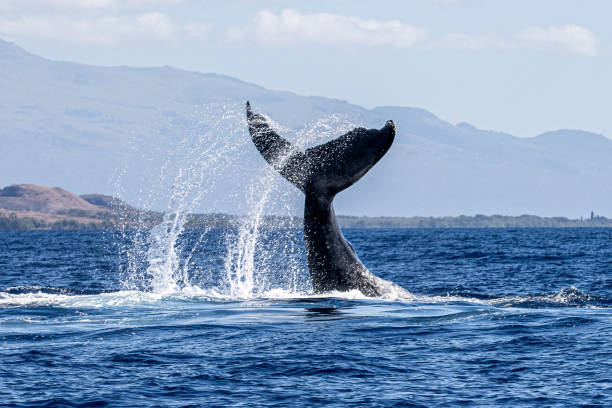
Safety deserves as much attention as wind. Wear a helmet and impact vest, especially when learning or riding near reef. Check your gear for wear, and never sail or kite alone in strong offshore winds. Watch for sea turtles, which are protected and often surface unexpectedly. During winter, humpback whales migrate through Maui’s waters; give them plenty of distance and follow all regulations. Sunscreen, rash guards, and hydration are essential, because a full day on the water drains energy faster than you expect.
When you are not on the water, Maui rewards you with equally memorable experiences. Paia has laid-back cafes, gear shops, and shave ice. Kihei and Wailea offer beaches, restaurants, and calm evenings. Lahaina and Kaanapali provide nightlife, luaus, and oceanfront dining. Many visitors plan a trip around the wind, but the best days mix action with rest: a morning session, an afternoon hike, fresh fish for dinner, and an early night before the trades return.
For travelers who dream of Maui, windsurfing and kitesurfing can transform a beach vacation into something more active and personal. You do not need to be an expert to feel the pull of the wind. With lessons, patience, and respect for the ocean, you can progress from shaky first rides to long, smooth reaches across the bay. The trade winds will keep blowing, the water will stay warm, and Maui will keep calling. All you have to do is show up, listen to the locals, and let the island teach you how to ride.