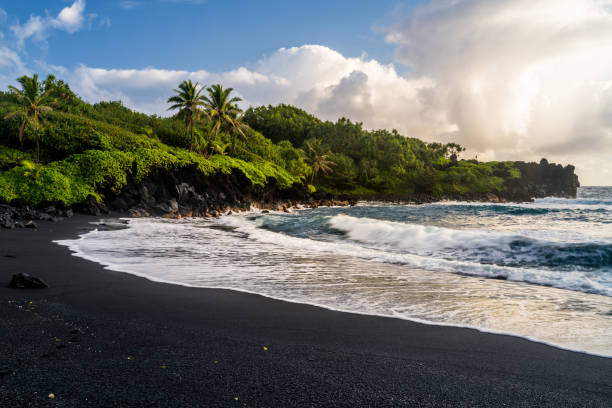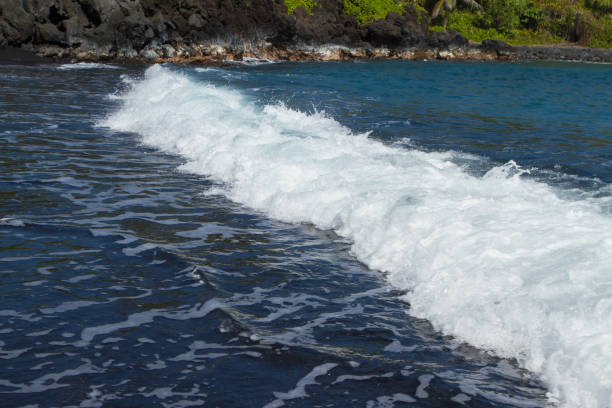
Maui’s underwater world is one of the island’s greatest gifts. The moment you slip beneath the surface at Molokini, Ahihi-Kinau, Kapalua, or a quiet bay in South Maui, the reef reveals itself as a living city. Coral polyps, tiny animals no bigger than a pencil eraser, build the foundations. Parrotfish crunch through algae and dead coral, leaving trails of sand. Green sea turtles glide past like patient elders, and butterflyfish flicker between branches of cauliflower coral. It is easy to fall in love. It is also easy, without meaning to, to love this world to death. Responsible ocean travel is not about staying out of the water. It is about entering with curiosity, humility, and a few simple habits that make a real difference.
The first habit begins before you reach the beach. Sunscreen is a daily necessity in Hawaii, but what washes off your skin ends up in the water. Chemicals such as oxybenzone and octinoxate can damage coral DNA, disrupt reproduction, and contribute to bleaching. Hawaii has taken action to keep these ingredients out of its coastal waters, and many visitors now choose mineral-based sunscreens with non-nano zinc oxide or titanium dioxide. The word “reef-safe” appears on countless bottles, but it is not a guarantee. Read the active ingredients. Choose a lotion rather than a spray when possible, because sprays drift onto sand and water and are easy to overapply. Better still, cover up. A long-sleeve rash guard, board shorts, a wide-brimmed hat, and polarized sunglasses reduce the amount of skin you need to protect. Sunscreen is the last line of defense, not the first.
Once you are in the water, your body becomes part of the reef. A single fin kick can shatter years of coral growth. Standing, kneeling, or resting a hand on coral can crush the polyps and open them to infection. Even touching a seemingly bare rock can harm tiny organisms. The solution is to float, not flail. Practice snorkeling in calm, sandy water before heading to a reef. Keep your arms at your sides or gently clasped in front of you. Use slow, steady kicks. If you need to adjust your mask, do it in water deep enough that you cannot touch the bottom. If you feel tired or panicked, return to shore or call to your buddy rather than grabbing the nearest coral head.
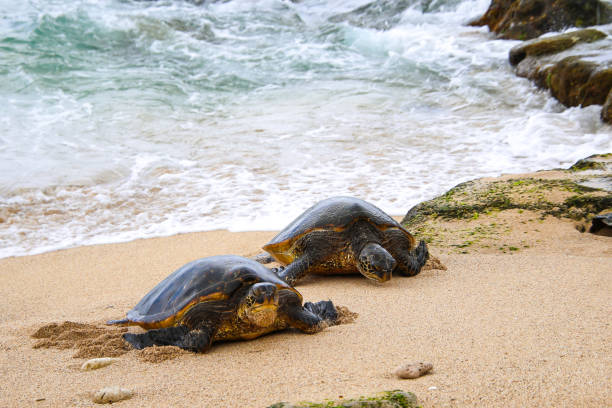
Wildlife deserves the same respect. Fish are not pets, and feeding them changes their behavior, diets, and health. Chasing a turtle for a photo stresses the animal and can push it into dangerous water. In Hawaii, sea turtles are protected, and respectful viewing means giving them space to breathe, rest, and swim away. Keep a generous distance, never block their path to the surface, and let them come to you. The best encounters are the ones the animals choose. The same goes for octopus, eels, manta rays, and monk seals. Observe from a distance. Leave the reef exactly as you found it. Shells, coral fragments, and sand may look like souvenirs, but they are part of the ecosystem, and removing them is illegal in many places.
Your choices on land matter, too. Reefs thrive when watersheds are healthy. Sediment and pollution from runoff smother coral and block sunlight. Chemicals from lawns, car washing, and poorly maintained septic systems can seep into the ocean. Visitors can help by using less water, packing out trash, and avoiding single-use plastics that often end up in the sea. Join a beach cleanup if one is happening. Choose tour operators who use mooring buoys instead of dropping anchors, who keep groups small, and who teach before they launch. Ask questions. A good operator will be happy to explain how they protect the reef.
Maui’s reefs are resilient, but they are not indestructible. They face warming oceans, bleaching events, and heavy human use. Yet they also respond to care. When we wear reef-safe sunscreen, float gently, keep our distance, and support local conservation efforts, we become part of the solution. The reward is not only a healthier ocean. It is a more magical vacation, one where a curious fish might circle you, a turtle might rest below, and the reef remains alive for the next traveler who dreams of Maui.