Lahaina has long been the beating heart of West Maui, a town where Hawaiian royalty once governed, whaling ships once anchored, and generations of families built lives around Front Street, the harbor, and the banyan tree. The August 2023 wildfire changed everything. Today, Lahaina is not simply a scenic stop or a place to check off a list. It is a community in recovery, a historic town rebuilding, and a living reminder that travel to Maui carries responsibility as well as joy.
Visitors who love Maui can play a meaningful role in that recovery, but only if they arrive with respect. The first step is to check current conditions before you go. Some areas may be open, others restricted, and rules can change as cleanup and rebuilding progress. Do not enter burn zones, closed roads, or private property. Do not fly drones over neighborhoods. Do not stop to photograph destruction. For residents, those scenes are not attractions; they are memories, losses, and ongoing challenges. A respectful visitor understands that curiosity does not outrank privacy.
The best way to support Lahaina is to let local voices lead. That means following guidance from Maui County, community organizations, and residents rather than assuming every beach, shop, or road is ready for visitors. It also means spending your money thoughtfully. When you stay in legal accommodations, eat at locally owned restaurants, hire local guides, and buy from neighborhood shops, your dollars circulate in the community. That support matters more than ever. Recovery is not a sprint; it is a long, uneven process measured in years, not news cycles.
Lahaina’s story is deeply Hawaiian. It was the capital of the Kingdom of Hawaiʻi from 1820 to 1845, a center of royal life, commerce, and cultural exchange. The town later became known for whaling, sugar, and tourism, but its roots are older and more sacred. To visit with respect is to learn that history—not just the postcard version. If a museum, cultural center, or church is open, enter quietly. If a community event welcomes visitors, attend with humility. Listen more than you speak. Ask permission before taking photos of people. Treat Hawaiian culture as a living tradition, not a performance.
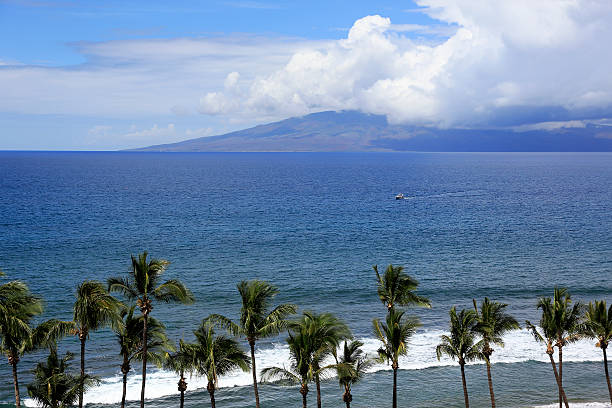
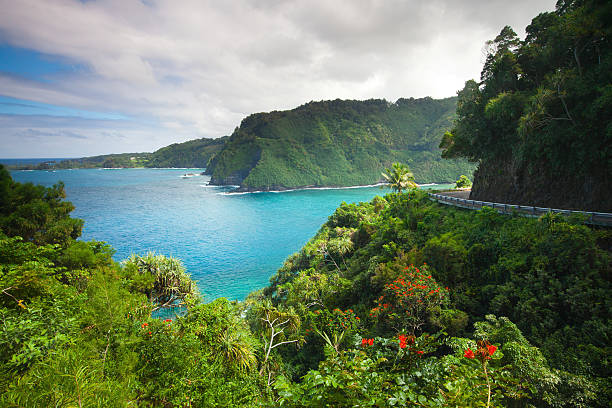
West Maui’s scenic drives are unforgettable, and they can be enjoyed with care. The road from Māʻalaea through Lahaina and up to Kāʻanapali, Nāpili, and Kapalua reveals some of the island’s most dramatic coastlines. The narrow Kahekili Highway, also known as the West Maui Loop, offers sweeping views, but it is a working road for residents. Pull over only at legal turnouts, never block traffic, and yield to local drivers. If a spot feels crowded or unsafe, move on. The goal is not to collect views; it is to move through the landscape without adding stress to the people who call it home.
Respectful visiting also means being a good guest in everyday ways. Conserve water, especially in West Maui. Pack out everything you bring in. Wear reef-safe sunscreen. Stay off closed trails. Give wildlife space. Drive with aloha and let faster cars pass. Be patient in lines and generous with grace. These small actions add up, and they signal that you understand Maui is not just a vacation backdrop.
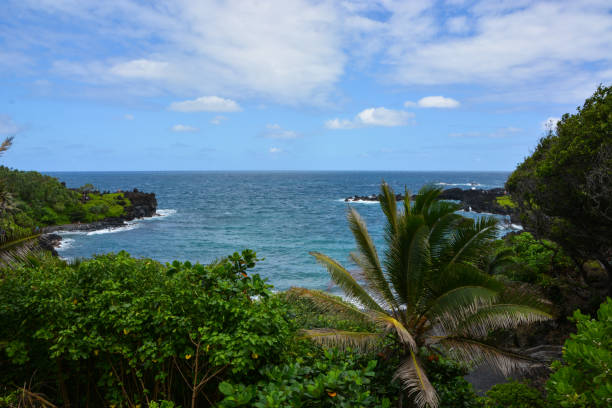
For travelers who dream of Lahaina, the invitation is not to stay away forever. It is to return with a different mindset. Come to listen, to learn, to support, and to celebrate what remains. Come ready to adapt if plans change. Come willing to visit other Maui towns and regions, too—Wailuku, Kīhei, Wailea, Pāʻia, Hāna—because the whole island is connected, and every community benefits when visitors travel with awareness. Lahaina’s recovery will be shaped by those who live there, but visitors can be part of the circle of support rather than a source of pressure.
In the end, aloha is not a slogan. It is a way of moving through the world with kindness, humility, and responsibility. Lahaina has given so much to Maui and to the world. As it heals, the best gift a visitor can offer is respect.