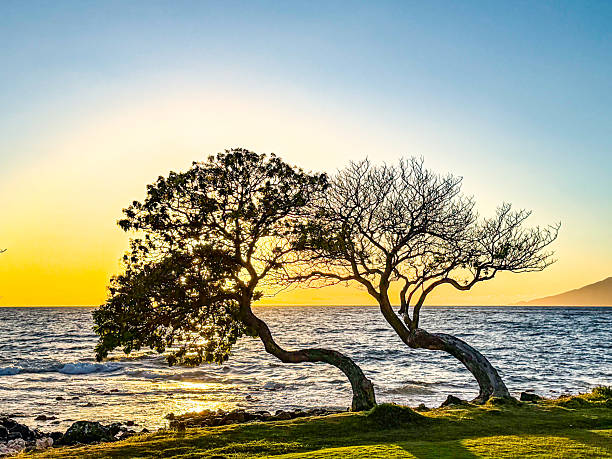
Maui is not a single destination so much as a collection of microclimates, communities, and moods. A visitor can snorkel in turquoise water in the morning, stand in a cool eucalyptus forest by afternoon, and watch the sun sink behind Lanai while eating fresh fish at night. That variety is why the best Maui itinerary is not the one that checks off the most stops. It is the one that leaves room for wonder, respects local culture, and matches the pace of the people traveling.
Start by choosing where to sleep. West Maui, from Ka’anapali to Napili, offers easy beach days, snorkeling, and famous sunsets. Lahaina remains a place of deep history and resilience, and visitors should approach it with sensitivity and support for local businesses as the community heals. South Maui, including Kihei, Wailea, and Makena, is sunnier and calmer, with gentle coves and long walks. The North Shore around Paia and Haiku feels creative and windblown, close to surf breaks and farm-to-table cafes. Upcountry is cooler, greener, and ranch-filled, while Hana is a world apart, wrapped in rainforest and old Hawaiian tradition. A seven-day trip can comfortably blend two bases, but even a ten-day journey benefits from slowing down.
Culture and history belong at the center of any itinerary. Hawaiian place names carry stories, and learning a few words opens doors. “Aloha” is more than hello; it is a way of being. “Malama aina” means to care for the land. At sites such as Iao Valley, Kepaniwai Heritage Gardens, and the Bailey House Museum, history comes alive through battles, migrations, missionaries, plantations, and the Hawaiian Kingdom. Lahaina was once the royal capital, and its stone walls and cemeteries remind travelers that this is not simply a resort town. Respect kapu, or sacred places. Do not climb on heiau, remove rocks, or enter private property. The most memorable experiences often come from listening.
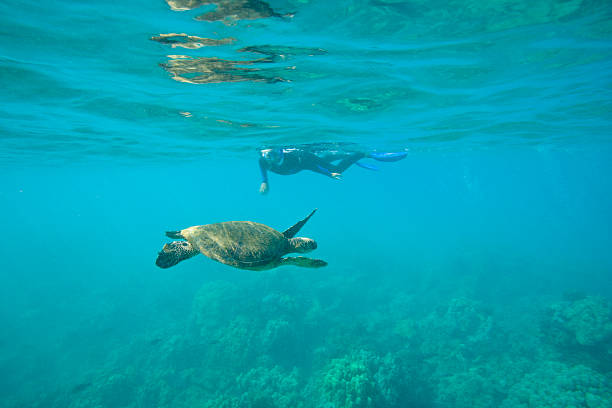
Begin your first full day gently. Sleep in, find a farmers market, and eat a plate lunch or poke bowl near the water. Spend the afternoon snorkeling at a south or west shore beach, then watch sunset with your feet in the sand. This is not wasted time; it is how you sync with island rhythm. On another day, drive Upcountry through Kula. Visit a lavender farm, a goat dairy, or a ranch, and breathe the cool air. If you plan to see Haleakala at sunrise or sunset, make reservations well in advance. Bring layers, water, and patience. The summit is high, cold, and spiritually significant, so go quietly and leave no trace.
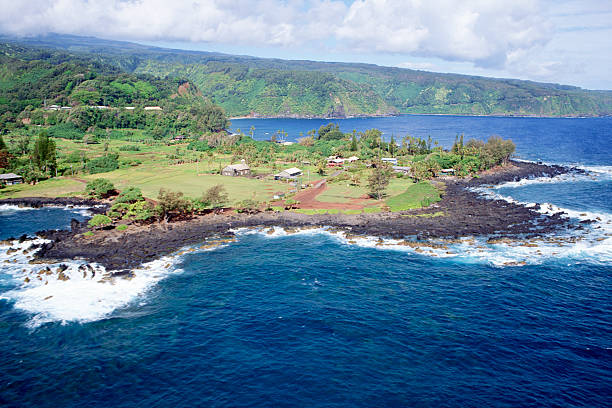
The Road to Hana deserves its own day. Leave early, drive slowly, and yield to local traffic. The journey is the attraction: waterfalls, bamboo forests, ocean lookouts, and roadside banana bread. Wai’anapanapa State Park requires advance reservations, and its black sand beach and sea caves are worth the planning. In Hana, visit the cultural center, buy from local stands, and skip the urge to rush back. If you continue to Kipahulu, you will find pools and coastal views that feel like the edge of the world.
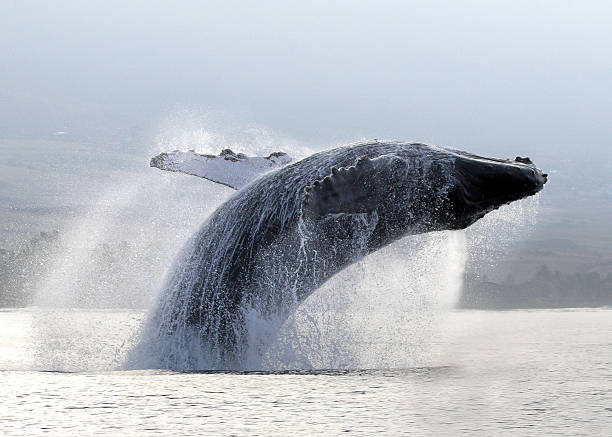
Give the North Shore a full day. Watch windsurfers at Ho’okipa, wander Paia’s colorful shops, and take a surf lesson if the waves are right. Drive to Makawao for paniolo, or Hawaiian cowboy, history. Then return to the ocean for a sunset sail, a whale watch in winter, or a quiet dinner. End your trip with an unstructured day. Repeat a favorite beach, book a lomi lomi massage, or attend a luau that shares Hawaiian music, hula, and food with genuine meaning. Ask questions, tip generously, and choose local. Maui will reward you not for how much you saw, but for how deeply you allowed yourself to feel it.
Planning details matter, but they should not overwhelm the experience. Book rental cars early, especially for the Road to Hana and Haleakala. Reserve popular restaurants, luaus, snorkel tours, and state park entries before you arrive. Pack for microclimates: swimwear, rain jacket, hiking shoes, and a warm layer for the summit. Use reef-safe sunscreen and carry a refillable water bottle. Drive with aloha, never honk at slower cars, and let locals pass. Budget for higher prices and tip those who make your trip possible. Most of all, leave space in your schedule. The unplanned afternoon often becomes the story you tell for years.