Each winter, the warm, shallow waters between Maui, Lānaʻi, and Molokaʻi become a nursery, playground, and stage for one of the ocean’s most extraordinary migrations. Humpback whales, some weighing forty tons, travel nearly three thousand miles from Alaska’s cold feeding grounds to Hawaiʻi’s protected nearshore waters. They come to mate, give birth, and raise their calves. For anyone on Maui from November to May, this means the chance to see whales from a boat, a cliff, or even a beach park. The season builds through December, peaks from January through March, and tapers by late April, though early and late sightings are always possible.
Geography makes Maui special. The Auau Channel, the stretch of water separating Maui from Lānaʻi, is relatively calm and shallow. It offers humpbacks shelter from trade winds and open ocean swells. Mothers with newborn calves often linger here, while competitive groups of males chase females in dramatic, splashing pursuits. From shore, you can spot a distant spout, a dark back rolling through the swell, or a tail fluke lifted high before a deep dive. From a boat, the encounters feel closer and more personal, though always wild and never guaranteed.
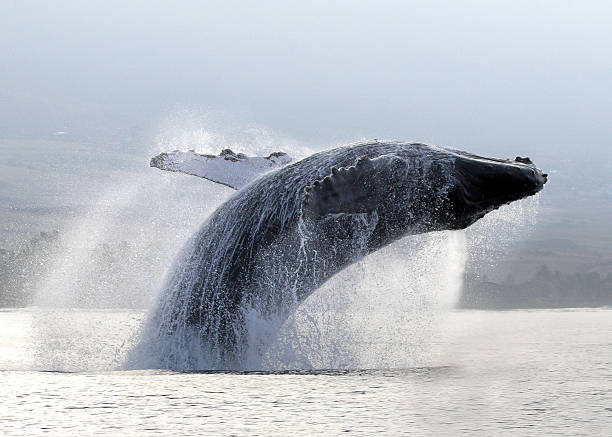
Peak months deliver the most action. January and February are prime time for breaching, when a whale launches its massive body almost completely out of the water and crashes back in a spray of foam. You might see pectoral fins slapped against the surface, tails lobbed repeatedly, or heads rising in a spy hop. Mothers and calves are especially captivating. A calf may practice breaching again and again while its mother rests nearby, and the two will often swim so close together that their movements seem synchronized. Even a quiet encounter, just a puff of mist and a slow arch of a back, can leave you breathless.
How you watch matters. Shore-based viewing is free, flexible, and surprisingly rewarding. Head to McGregor Point, Papawai lookout, or coastal beaches around Lahaina, Kīhei, Wailea, and Makena. Bring binoculars and patience. Early morning often brings calmer seas and softer light, while late afternoon can offer golden-hour blows. If you prefer a boat, options range from large, stable catamarans to small, fast rafts. Larger vessels tend to offer more comfort and educational narration; smaller boats can feel more intimate but may be bumpier. Both can be excellent, and many tours carry hydrophones so you can listen to the haunting, complex songs of male humpbacks.
Book early, especially for January through March, and choose a morning departure if prone to seasickness. Mornings have less wind and smaller swells. Bring a light jacket or windbreaker, sunglasses, sunscreen, a hat with a strap, and a camera with a zoom lens. A dry bag for phones and electronics is wise. If you are traveling with children, talk with them about keeping voices calm and movements gentle; whales are curious but also sensitive to sudden noise and commotion.
Responsible viewing makes it better for everyone. Federal guidelines require boats and people to keep a respectful distance from humpback whales. That distance exists to protect mothers, calves, and the entire pod from stress and collision. If a whale chooses to approach your vessel, the captain will typically idle or turn off the engines and let the animal pass. Never chase, herd, or swim toward whales. The most magical encounters happen when you stay still, watch, and let the whales decide how close they want to come.
Whale season shapes Maui’s winter rhythm. Restaurants and tours fill up, sunsets on the water become a shared treasure hunt, and locals trade stories of the first breach of the day. Plan a December-to-April trip with at least one whale watch and one shoreline morning. Keep a flexible schedule, because weather and whale behavior cannot be scripted. The reward is a reminder of how vast and mysterious the ocean remains. A humpback’s tail rising against the West Maui Mountains or a calf learning to breach beside its mother is not just a sightseeing moment. It is a memory that stays with you, pulling you back to Maui long after the whales have returned to Alaska.