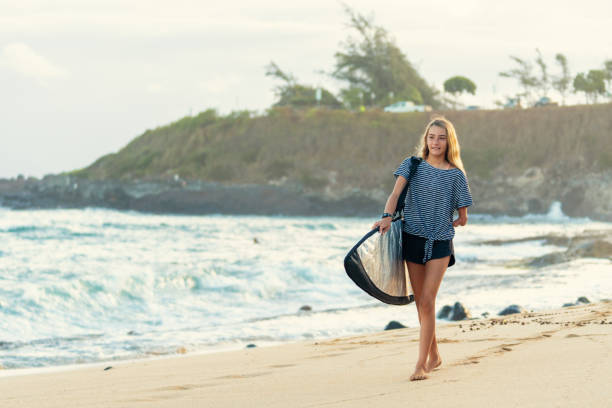
On Maui, the ocean has a rhythm older than any resort, and longboarding is one of the purest ways to feel it. While shortboarding often celebrates explosive turns, aerials, and split-second reactions, longboarding honors the glide. It is the art of trimming across a gentle wall, stepping forward to the nose, and letting the wave carry you with grace rather than force. For travelers who dream of surfing but feel intimidated by aggressive lineups, longboarding offers a welcoming doorway into Hawaiian surf culture. It asks for patience, balance, and respect, not acrobatics.
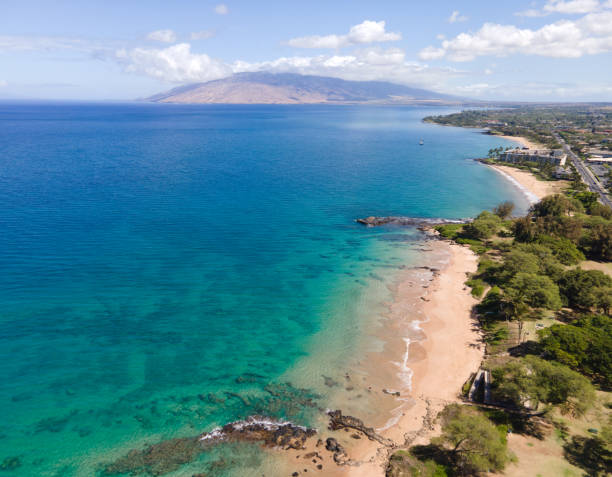
The classic longboard is a beautiful object: nine to ten feet of foam, fiberglass, or wood, often with a single fin and a wide, rounded nose. On Maui, these boards come alive in different conditions than the world-famous big-wave breaks of Pe‘ahi or Honolua. The south shore, especially around Lahaina, Puamana, Launiupoko, and Ukumehame, offers long, mellow rollers that are perfect for noseriding and cross-stepping. In summer, southern hemisphere swells arrive with soft, forgiving energy. In winter, the north shore belongs to experts, but the south shore often remains a friendly place to practice classic style. The board itself teaches a slower, more thoughtful approach to the sea.
Longboarding is not simply a board choice; it is a philosophy. A longboarder reads the wave early, paddles with steady strokes, and positions for a ride that unfolds in chapters. The takeoff is smooth. The first trim is a chance to feel the rail engage. Then comes the walk: back foot planted, front foot stepping lightly, toes finding the stringer, arms relaxed. A proper hang ten is not a stunt but a conversation with the wave, requiring speed, timing, and trust. When done well, it looks effortless. That effortlessness is the reward of countless dawn patrols and patient sessions.
Maui’s surf culture grew from Hawaiian tradition, where he‘e nalu was both sport and spiritual practice. Ancient Hawaiians rode long wooden boards, and ali‘i, or chiefs, had their own prized boards and breaks. The revival of longboarding in the twentieth century brought back that sense of elegance, and on Maui it never fully disappeared. You can see it in the older surfers who still paddle out on heavy single fins, in the stories told in parking lots after a session, and in the way a good wave is shared with a nod rather than a claim. That living history is part of what makes paddling out on Maui feel different from surfing almost anywhere else.
For visitors, the key to enjoying longboarding on Maui is respect. Local surfers are generous when newcomers show humility. Watch the lineup before paddling out. Wait your turn. Do not drop in on someone who is already riding. If you are unsure, take a lesson with a reputable surf school in Kihei or Lahaina. Rent a soft-top longboard first, then graduate to a hard board when your control improves. Learn the names of the breaks, the tides, and the trade wind patterns. The ocean is not a playground; it is a host, and good guests listen.
The practical rhythm of a Maui longboard trip is simple. Wake before sunrise, check the surf report, and drive toward the coast with a board on the roof. Paddle out when the light is still soft and the wind is offshore. Spend an hour catching gentle waves, then sit on the beach and watch the horizon. Eat a plate lunch, rest, and return for an afternoon session if the conditions allow. The best days are not measured by how many waves you catch but by how deeply you settle into the island’s pace. Even a single long ride can feel like a small conversation with the island itself.
Longboarding reminds us that surfing is not only about performance. It is about connection: to the sea, to Hawaiian history, to the feeling of moving with a wave instead of against it. On Maui, that connection is everywhere, from the glassy morning lines at Launiupoko to the laughter of beginners at Kihei Cove. Whether you are a seasoned surfer or someone who has only dreamed of standing on a board, the classic style offers a way in. All you need is patience, a sense of wonder, and the willingness to glide.