Maui’s shoreline is a patchwork of lava points, crescent bays, and coral gardens, and some of the island’s most memorable underwater encounters happen just a few fin kicks from the sand. You do not need a boat ticket or a full-day tour to see tropical fish, green sea turtles, and the occasional spotted eagle ray. You do need local knowledge, a respect for conditions, and a willingness to rise early before the trade winds turn the water choppy. The island’s best shore-entry snorkeling is clustered in South and West Maui, with a few worthwhile pockets elsewhere, and each region has its own personality, access quirks, and sea life.
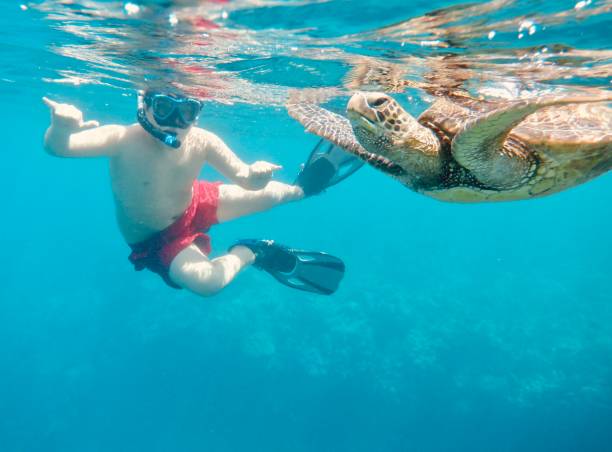
South Maui is the most reliable starting point for visitors staying in Kihei, Wailea, or Makena. Ulua Beach, tucked between Wailea and Makena, offers a sandy entry, a healthy reef on both sides of the cove, and enough parking and facilities to make a morning of it. Arrive before eight o’clock in peak season, because the lot fills fast and the water is usually calmest then. Maluaka Beach, often called Turtle Town, is another south-side favorite. The beach itself is lovely, with a gentle slope and a reef that begins just offshore. Turtles are common here, but they are protected, so keep a respectful distance and never chase or touch them. Kamaole III in Kihei is a good family choice when conditions are calm, with lifeguards, picnic areas, and easy access, though the snorkeling is more scattered than at Ulua or Maluaka. Polo Beach and Wailea Beach can also be productive, especially along the rocky points, but expect more people and less parking.
West Maui holds some of the island’s most famous shore dives and snorkel spots, largely because the coastline faces calm water in summer and offers a series of protected bays. Kahekili Beach Park, also known as Airport Beach, is a long, easy entry with a shallow reef that stretches far offshore. It is a wonderful place for beginners and for anyone who wants to spend an hour drifting over coral heads and watching turtles graze. Napili Bay is smaller and charming, with a sandy bottom and rocky edges that attract fish. It can get crowded, and parking is tight, but the calm mornings are worth the effort. Kapalua Bay is postcard-perfect, with a protected crescent, gentle entry, and reliable visibility when the wind is down. Honolua Bay is the crown jewel, a marine life conservation district with spectacular coral and abundant fish, but it has no sandy beach, a rocky entry, and limited parking. It is best in summer, when the north swell is gone, and it demands excellent snorkeling etiquette because the reef is fragile.
The North Shore is not usually the first choice for shore snorkeling. Wind, waves, and powerful winter surf make many spots unsafe or murky, and the coastline is better known for windsurfing and surfing. That said, Kuau Cove, near Mama’s Fish House, can offer a sheltered morning snorkel when the ocean is flat. Turtles sometimes rest here, and the rocky edges hold fish, but the entry is not as forgiving as Kapalua or Ulua. Treat the North Shore as a bonus, not a plan, and only get in if the water is genuinely calm.
East Maui, including the Road to Hana, is spectacular above the water, but from-shore snorkeling is more hit-or-miss. Hana Bay is the most accessible option, with a black-sand beach and a breakwater that can protect the water from swell. After a dry spell, you may find small reef fish and a quiet swim, but rain can send freshwater and sediment into the bay, killing visibility. Koki Beach and Hamoa Beach are beautiful but often rough, with strong currents and shorebreak. If you are in Hana and want to snorkel, ask locally, check the conditions, and save your serious underwater time for West or South Maui.
Wherever you go, a few habits make every snorkel better. Check the weather and surf report, and remember that a calm day in summer can be completely different from a winter swell. Go early, before the wind picks up. Use reef-safe sunscreen, never stand on coral, and keep your fins off the bottom. Snorkel with a buddy, stay within your comfort zone, and use a flotation device if you are not a strong swimmer. Above all, let the ocean set the agenda. Maui’s shore snorkeling is not a checklist; it is a series of small, lucky windows when the water clears and the reef comes alive. When you find one, float gently, look closely, and leave nothing behind but bubbles.