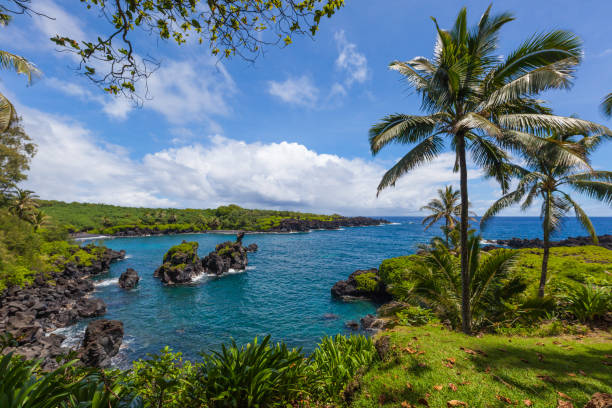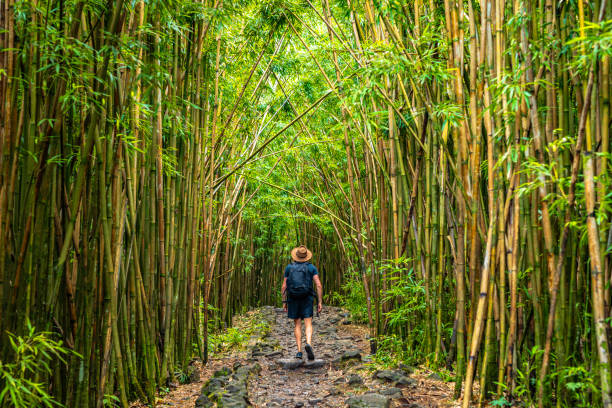
Maui is often pictured as an empty paradise of waterfalls, golden beaches, and swaying palms, but the island is anything but empty. It is home to a diverse, resilient population whose daily lives shape the places visitors come to love. Understanding who lives on Maui, where they live, and what matters to them turns a trip from a sightseeing checklist into a more meaningful encounter with a real community. Maui County, which includes Molokai, Lanai, and Kahoolawe, has roughly 165,000 residents; the island of Maui itself is home to about 118,000 people. Those numbers may sound small, but they carry centuries of history, migration, and cultural exchange.
The earliest Maui residents were Polynesian voyagers who settled the Hawaiian Islands and developed sophisticated systems of land and water management. Later, sugar and pineapple plantations transformed the island’s economy and brought laborers from Japan, China, the Philippines, Portugal, Puerto Rico, Korea, and elsewhere. Their descendants, along with Native Hawaiians and newer arrivals, created the multicultural fabric of modern Maui. Today you hear English, Hawaiian, and Hawaii Creole English, often called Pidgin, as well as Ilocano, Tagalog, and other languages. Many residents trace mixed ancestry across several cultures. This diversity is not a tourist attraction; it is the everyday reality of families, schools, churches, canoe clubs, and neighborhood gatherings.
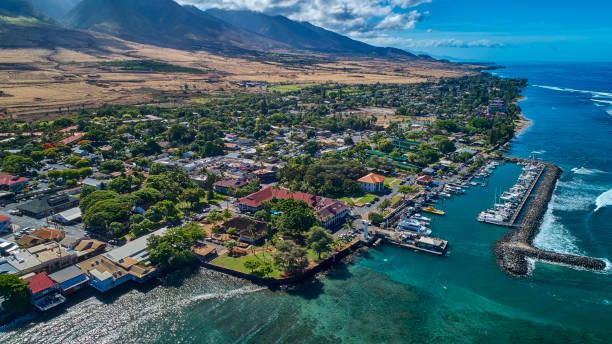
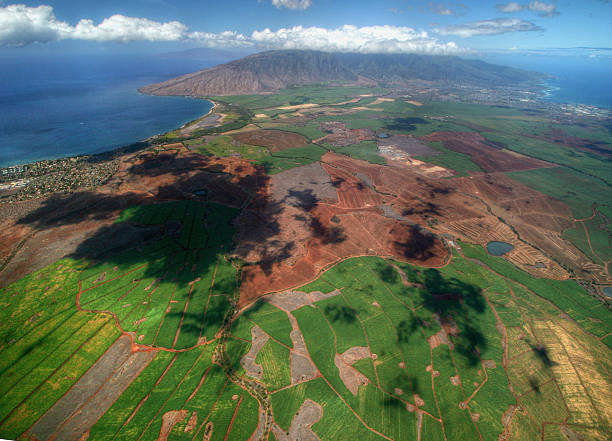
Population distribution tells its own story. Most Maui residents live in Central Maui, around Kahului and Wailuku, and in South Maui communities such as Kihei. The historic town of Lahaina anchors West Maui, while the North Shore towns of Paia and Haiku have a slower, surf-and-farm rhythm. East Maui, including Hana, remains more remote, with small communities connected by a famous winding road. The island’s geography—two volcanoes, a narrow central valley, and limited developable land—means that housing, traffic, and access to jobs are constant concerns. Many residents commute long distances between home and work, especially in the visitor industry.
Tourism is a major part of Maui’s economy, but island life is far more than hotels and resorts. Residents work as teachers, nurses, firefighters, farmers, fishers, construction workers, artists, and small-business owners. They raise families, coach youth sports, care for elders, and volunteer after storms. The cost of living is among the highest in the United States, and housing remains a serious challenge for local families. When visitors understand this, choices like staying in a legal rental, eating at locally owned restaurants, and shopping at farmers markets become more than preferences; they become ways to support a community.
At the heart of Maui life are values often summarized by aloha, but the word means more than a friendly greeting. It carries ideas of mutual respect, compassion, and responsibility. Malama ka aina—care for the land—and kuleana—one’s rightful responsibility—are not slogans but guiding principles. Hula, mele, voyaging, fishpond restoration, and Hawaiian language immersion keep Native Hawaiian culture alive and evolving. The overthrow of the Hawaiian Kingdom and later statehood remain part of the island’s history, and respectful visitors learn that history rather than romanticize it. The devastating 2023 Lahaina wildfire added another chapter of grief and resilience, reminding everyone that Maui’s communities are precious and vulnerable.
For travelers, understanding population and island life improves every part of a trip. It explains why roads are busy at certain hours, why some beaches and neighborhoods feel residential, and why “island time” can reflect a different pace rather than indifference. It encourages patience on the Road to Hana, where residents simply want to get home. It asks visitors not to trespass on private land, not to block driveways, and not to treat local people as background characters. It invites travelers to learn a few Hawaiian words, remove their shoes when appropriate, give way to locals, and leave places better than they found them.
Maui’s beauty is inseparable from its people. The island’s population is small but complex, shaped by Native Hawaiian heritage, plantation history, immigration, tourism, and a deep love for family and place. When visitors arrive with curiosity and humility, they see beyond the postcard. They notice the canoe paddlers at dawn, the grandparents at the market, the young farmers restoring taro, and the neighbors helping one another after hardship. That is the true rhythm of island life—and the most memorable part of any Maui journey.