On Maui, the longboard is more than equipment. It is a passport to the island’s older, slower rhythms. Where shortboards chase radical airs and quick bursts, longboarding invites you to trim, glide, cross-step, and feel the wave from rail to rail. A classic longboard, usually nine feet or longer, often with a single fin and a generous, rounded nose, turns small, soft waves into something magical. For travelers dreaming of Maui, learning to longboard is one of the most authentic ways to touch Hawaiian surf culture.
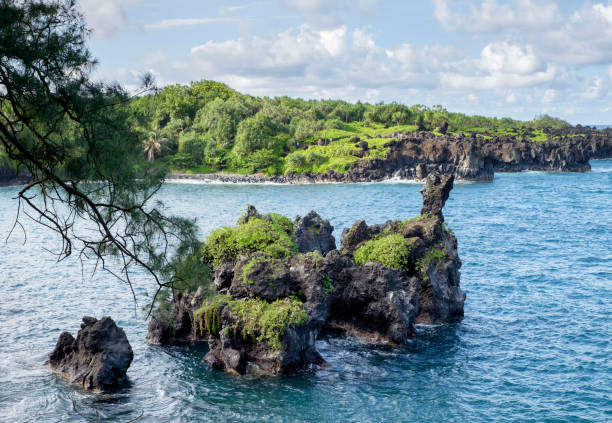
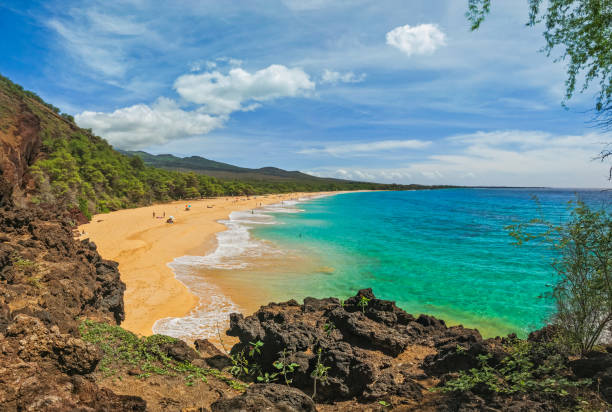
The island’s geography makes this style natural. Maui has a remarkable range of breaks, and many are best suited to longboards. South shore spots like Thousand Peaks, Ukumehame, Launiupoko, and the gentler shoulders around Kihei offer long, forgiving rollers in summer. The waves may not be towering, but they give you time to stand, walk, and think. On the west side, Lahaina and Ka’anapali can serve up mellow peaks when the south swell fills in. In winter, the north shore becomes serious, with Honolua Bay and other breaks drawing expert surfers, but even then, longboarding has its place in the right conditions, especially at sheltered points and inside reforms.
Classic surf style is not about doing more. It is about doing less with grace. You see it in the way a rider crosses one foot over the other to reach the nose, arms relaxed, eyes down the line. A proper hang ten is not a stunt; it is a conversation with the wave. You feel the board accelerate as you step forward, the tail lifting, the fin humming. You learn to stall by dragging a foot or shifting weight back, then trim forward again. Turns are drawn out, not jerky. The goal is not to attack the wave but to dance with it. This is why longboarding appeals to people who have surfed for decades and to beginners who simply want to feel the ocean’s push.
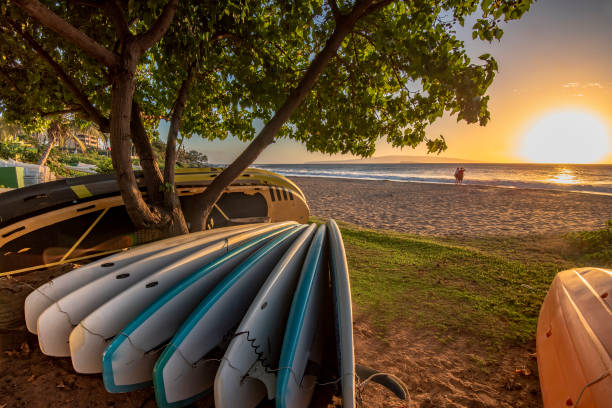
Maui’s longboard community keeps this style alive. Dawn patrol regulars paddle out before work, coffee waiting on the beach. Older surfers share waves with kids on foam boards, calling them into set waves. Board builders and repair shops around the island still shape and restore logs with resin tints and polished gloss, honoring the look of mid-century Hawaii. You might see a classic single-fin with a wooden nose block, or a modern performance longboard with a narrower nose and two-plus-one fin setup. Both belong. The culture is less about what you ride and more about how you ride: with respect, patience, and aloha.
For visitors, longboarding is also a practical choice. Maui’s most accessible breaks often have mushy, rolling waves that are hard to enjoy on a shortboard. A longboard paddles faster, catches waves earlier, and makes small days fun. Lessons are widely available in Lahaina, Kihei, and Paia, and many instructors start students on soft-top longboards. If you already surf, renting a real log can change your entire relationship with the ocean. You stop worrying about performance and start noticing the texture of the water, the trade winds, the way light moves across the West Maui Mountains.
Etiquette matters everywhere, but especially in a place with deep surf roots. Wait your turn. Don’t paddle around the peak. Offer a shaka. If a local elder or a kid on a longboard is already in position, let them have it. The lineup is a community, and visitors are guests. That respect is part of classic style, too. Longboarding grew from Hawaiian wave-riding traditions, and its finest expression is not a trophy turn but a shared smile after a good ride.
Planning a longboard trip to Maui means thinking about seasons and tides. Summer south swells light up the south and west shores, with early morning glass and afternoon trade winds. Winter can bring north swell, so check reports and know your limits. A mid-length or longboard can handle many conditions, but respect the reef, the currents, and the locals. Bring reef-safe sunscreen, a rash guard, and patience. The best sessions often happen when you are not rushing.
In the end, longboarding on Maui is a reminder that surfing is not only a sport. It is a way of paying attention. The board is long, the wave is slow, and the island asks you to match its pace. Whether you are a first-timer at a gentle break or a seasoned logger hunting a clean point break, classic surf style offers a timeless glide. You do not conquer the wave. You join it.