Long before the first resort rose above Kāʻanapali, Maui was a place of deep Polynesian settlement, powerful chiefs, and thriving valleys. The first Polynesian voyagers reached the Hawaiian Islands centuries ago, likely between 400 and 800 CE, navigating thousands of miles of open ocean by reading stars, winds, currents, and seabirds. They brought taro, breadfruit, bananas, pigs, chickens, and a profound understanding of island ecosystems. Early communities settled near streams and fertile coastal flats, developing the ahupuaʻa system: land divisions stretching from mountain summits to the sea, ensuring each community could access water, forest, fishing grounds, and farmland. Irrigated loʻi kalo and loko iʻa, fishponds, became foundations of life. Aliʻi governed with konohiki land managers, while the kapu system set rules for resource use, spirituality, and social order.
Maui’s history as a unified island kingdom is tied to its ruling chiefs. By the sixteenth century, the Piʻilani line helped shape a period of prosperity and political organization. Later, Kahekili, a fierce and respected chief, controlled Maui and parts of neighboring islands. His reign ended in the late eighteenth century as Kamehameha I, from Hawaiʻi Island, campaigned across the archipelago. The decisive Battle of Kepaniwai in ʻĪao Valley in 1790 was a turning point. Kamehameha’s forces defeated Maui’s defenders, and the valley’s stream was said to be dammed by the bodies of warriors. By 1810, Kamehameha had unified the Hawaiian Islands under one kingdom. Today, walking through ʻĪao Valley State Monument, visitors can feel that history amid towering green pinnacles and mist.
European contact brought rapid change. Captain James Cook arrived in the Hawaiian Islands in 1778, and later European and American ships followed. Sandalwood trade, whaling, and new diseases reshaped island life. Lahaina became a busy whaling port and, for a time, the capital of the Hawaiian Kingdom. In 1820, Christian missionaries arrived, introducing a written Hawaiian language, schools, and new religious ideas. Their influence was complex: it helped create widespread literacy, but it also challenged and eventually weakened traditional practices. The Great Mahele of 1848 transformed land ownership, allowing private property and setting the stage for large-scale agriculture. Sugar soon dominated Maui’s economy.
The plantation era left an enduring mark on Maui’s culture. From the mid-nineteenth century into the twentieth, sugar and pineapple companies drew laborers from China, Japan, Portugal, the Philippines, Puerto Rico, Korea, and elsewhere. They worked in cane fields and mills, lived in plantation camps, and blended languages, foods, and traditions. That mix is still tasted in local plate lunches, saimin, malasadas, and festivals across the island. Plantation companies also built extensive irrigation ditches and tunnels, moving water from windward rainforests to central fields. Towns such as Puʻunene, Spreckelsville, and Wailuku grew around the industry. Whaling declined, sugar eventually faded, and tourism rose after statehood in 1959. Jet travel, resorts, and the promise of paradise brought new prosperity and new pressures.
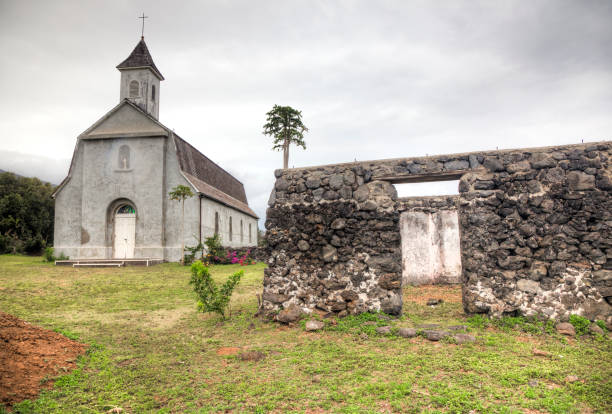
Modern Maui is a place where the past remains close to the surface. A Hawaiian cultural renaissance that began in the 1970s revived language, hula, voyaging, and traditional practices. Voyaging canoes such as Hōkūleʻa have retraced ancient routes, reviving Polynesian navigation. Communities have restored loʻi kalo and fishponds, and Makahiki season still honors Lono with sports, feasting, and reflection. Travelers who want to understand Maui can visit the Bailey House Museum in Wailuku, the Alexander & Baldwin Sugar Museum in Puʻunene, the Hana Cultural Center, Kepaniwai Heritage Gardens, and historic sites in Lahaina, whose community continues to recover and preserve its heritage after the devastating 2023 fires. Respectful visits mean staying on trails, not touching petroglyphs or heiau, asking before entering private land, and supporting Hawaiian-owned and local businesses.
Planning a Maui trip with history in mind adds depth to every beach day and scenic drive. It is a tale of voyaging and kingdom-building, foreign contact and painful change, immigrant labor and cultural blending, and resilience. Understanding that story helps visitors see Maui not only as a destination but as a living homeland. From the sacred heights of ʻĪao to the plantation towns of the central valley and the quiet fishing villages of Hāna, Maui invites you to travel with curiosity, respect, and gratitude.