Longboarding on Maui feels like a conversation with the ocean, measured in glide rather than rush. The island’s waves often invite a slower, more graceful approach, especially along the south and west shores where gentle rollers unspool over reef and sand. Here, classic surf style—cross-stepping to the nose, trimming with subtle shifts of weight, hanging ten with toes curled over the edge—remains not a nostalgic trick but a living language. It honors the Hawaiian roots of surfing while savoring the pure joy of a long, unhurried ride.
Maui’s longboarding culture is rooted in he’e nalu, wave sliding. Ancient Hawaiians rode boards of wood, from small alaia to majestic olo, and the ocean was both playground and classroom. Today’s classic longboards carry that inheritance forward. A single-fin log, heavy and rounded, forces you to plan your line, read the wave’s energy, and move with patience. Style becomes the point: the quiet cross-step, the poised nose ride, the way a board hums as it settles into the pocket. On Maui, that elegance fits the landscape. The trade winds soften in the afternoon, the West Maui Mountains turn gold, and the water glows like liquid jade.
For visiting surfers, the first lesson is humility. Maui’s longboard spots can be friendly, but they are not anonymous. Local surfers grew up on these waves; they know the tides, the reef passages, the way a swell wraps around a point. Respect goes a long way. Wait your turn, offer a smile, don’t paddle inside, and never ditch your board. If you’re new, start with a forgiving board at a mellow break and take a lesson with a local instructor. The goal isn’t to conquer the wave but to join its rhythm. On a longboard, you have time to feel the water lift the tail, adjust your stance, and walk toward the nose while the wave builds behind you.
Some breaks around Maui are especially suited to classic style. Launiupoko, near Lahaina, offers long, forgiving rollers perfect for noseriding and for beginners learning to trim. Ukumehame and Thousand Peaks can serve up gentle walls when the south swell fills in. Kihei’s Cove is a longtime gathering place for longboarders, with a playful wave that rewards smooth footwork. On the west side, Lahaina Harbor and Breakwall can be crowded but entertaining, while Kaanapali’s gentler days are made for logging. Each spot has its own personality, but the common thread is glide.
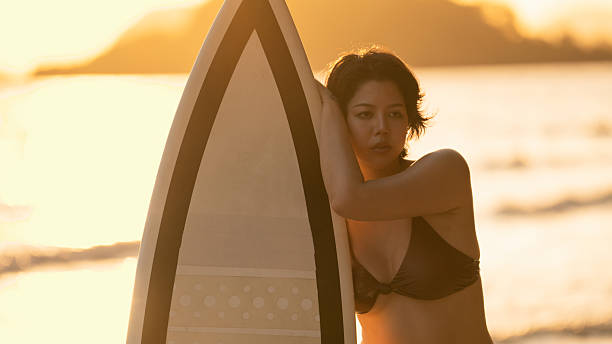
The boards themselves tell a story. Many Maui longboarders ride single-fin logs shaped by local craftsmen, with wide noses, rounded tails, and enough foam to paddle easily and cruise through flat sections. Others choose noseriders designed to support long stays on the tip. But these boards are meant to be ridden, not admired from the sand. If you’re renting or buying, talk to a local shop about the conditions you’ll surf. A proper longboard for Maui’s mellow days might be nine to ten feet, with a single fin for smooth turns and trim. A soft-top can be ideal for first-timers, while a heavier log rewards intermediate surfers ready to learn nose riding.
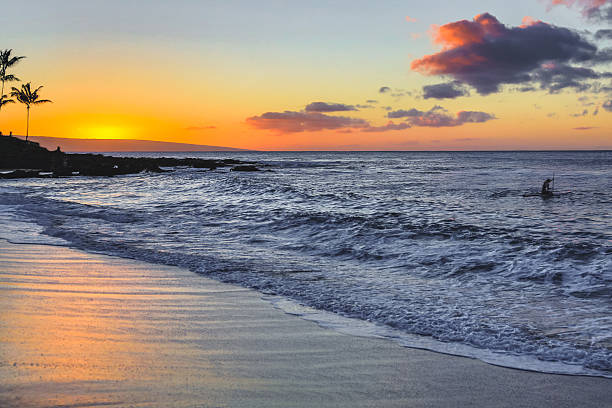
Surf culture on Maui extends beyond the lineup. It lives in the shave ice conversations after a session, in the way strangers cheer a well-ridden wave, in the stories told at sunset. Longboarding encourages camaraderie because it isn’t about outsurfing everyone. It’s about sharing the glide. The ocean doesn’t care about your job title or your Instagram feed. It cares about your awareness, your timing, and your willingness to give a wave away.
For travelers dreaming of Maui, longboarding offers an accessible path into the island’s soul. You don’t need to be an expert. You need to be present. Watch the horizon, feel the swell, and let the wave decide the pace. A good longboard session can reset your entire vacation. After a morning at Launiupoko or Kihei Cove, the rest of the day tastes sweeter: fresh fish, cold drinks, barefoot walks along the sand. The classic style stays with you long after you rinse off, a reminder that some of the best moments in Maui are not fast or flashy. They are long, smooth, and full of aloha.