The best time to visit Maui depends less on a calendar and more on what you hope to feel. Some travelers dream of humpback whales breaching beyond the reef. Others want empty beaches, warm water, and easy planning. Still others plan around hula festivals, food events, or the quiet rhythms of a small town. Maui’s seasons are shifts in wind, rain, surf, crowd, and culture. Understanding them helps you choose the right week.
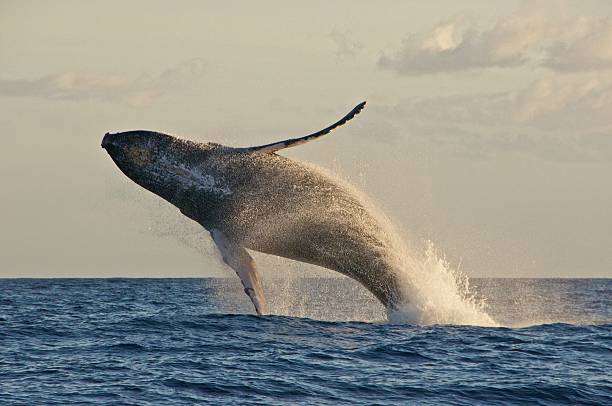
Winter, December through March, is whale season. Thousands of humpbacks migrate from Alaska to Maui’s warm waters, and sightings are common from the west and south shores. This is also high season. Hotels fill quickly around the holidays, and prices peak. Weather is cooler and wetter than summer, especially in Upcountry and along the windward north shore. Showers pass through Hana and Haiku, but they keep waterfalls flowing and valleys green. North shore surf is best for experienced surfers, while south and west beaches often stay calm enough for swimming and snorkeling. If whales and lush scenery are your priority, book early and pack a light rain jacket.
Spring, especially April and May, is a sweet spot. Whales begin to leave, winter rains ease, and the island blooms with jacaranda, hibiscus, and plumeria. Crowds thin after spring break, making Haleakala sunrise, popular restaurants, and Road to Hana reservations easier. May first brings Lei Day, a celebration of Hawaiian culture with music, hula, and lei-making. Days are warm, nights cooler, and the pace more relaxed. Ocean conditions often calm, making Molokini and other snorkel spots clear. Hikers enjoy comfortable temperatures in the crater and along the Pipiwai Trail. For many travelers, spring offers the best balance of weather, value, and space.
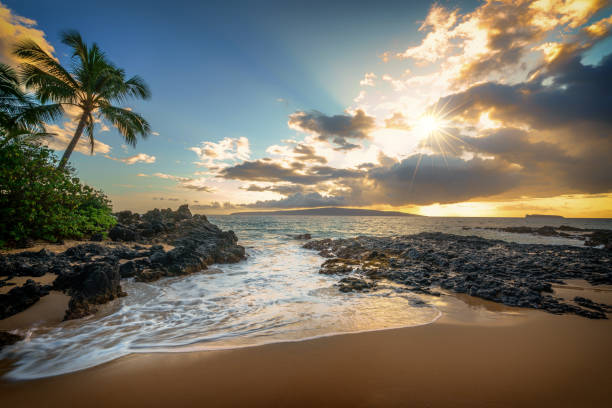
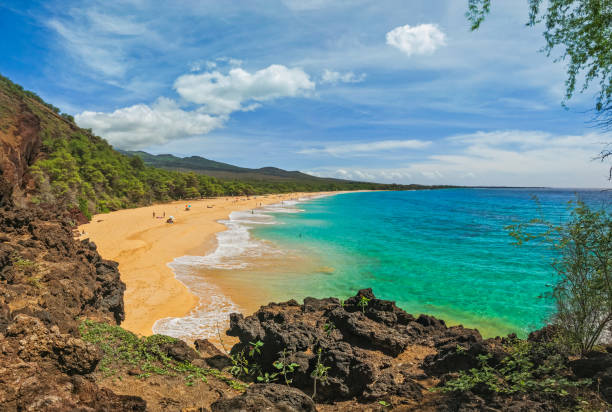
Summer, June through August, is warm, sunny, and family-friendly. School is out, so expect more visitors, especially on the south and west shores. Trade winds keep heat manageable, and the ocean is calm enough for snorkeling, paddleboarding, and kayaking. This is prime time for beach days at Kaanapali, Wailea, and Makena. It is also a season of cultural pride. King Kamehameha Day in June brings floral parades and ceremonies, while summer hula competitions and food festivals highlight Maui’s blend of Hawaiian, plantation, and Pacific influences. Reserve accommodations and activities well in advance. The rewards are long daylight hours, warm water, and a lively atmosphere. The sun is strong, so reef-safe sunscreen and hydration are essential.
Fall, September through November, may be Maui’s most underrated season. Summer crowds fade after Labor Day, yet the ocean stays warm. Prices for flights and lodging often drop, making fall excellent for budget-conscious travelers who still want beautiful weather. The cultural calendar continues with Aloha Festivals, local fairs, and community hula events. Hurricane season technically runs through November, but serious storms are rare. Fall is also wonderful for hiking, as trails are drier than in winter and less crowded than in summer. Surfers watch the north shore again as swells return. For solitude, value, and warm water without peak-season rush, autumn is a quiet gem.
Culture and history add another layer to timing. Ancient Hawaiians divided the year into seasons tied to agriculture, fishing, and spiritual observances. Makahiki, a period of feasting, games, and peace dedicated to the god Lono, traditionally began in late autumn and lasted several months. Today, visitors encounter Hawaiian traditions year-round, but Lei Day, Kamehameha Day, and hula festivals offer especially rich windows into language, music, and craft. Respectful travelers remember that Maui is not just a backdrop; it is a living place with a deep past and a proud community.
Maui’s microclimates matter as much as the month. Upcountry can be cool and misty while Kihei is hot and dry. Hana is rainy, which keeps its waterfalls spectacular. Haleakala summit is cold at sunrise year-round, so bring layers. For whale watching, choose January through March. For calm snorkeling, aim for summer mornings. For surfing, winter belongs to the north shore and summer to the south. For hiking, spring and fall are usually most comfortable. The best time to visit Maui is ultimately the time that matches your dream. If you seek whales and green valleys, come in winter. If you want warm ocean and family fun, come in summer. If you crave value and quiet, choose spring or fall. Whenever you arrive, slow down, listen to the island, and let Maui set the pace.