Maui’s ocean is not a backdrop. It is the main event, a warm blue world where Hawaiian green sea turtles glide over coral gardens and tropical fish flash like confetti. Meeting a honu, the beloved green sea turtle, face to face is a common dream. That moment can be magical, but it also comes with responsibility. The same nearshore reefs that make Maui extraordinary are fragile, and the wildlife that lives there deserves space, quiet, and respect.
Green sea turtles are the most iconic marine animals in Maui’s coastal waters. They can often be seen grazing on limu, or seaweed, in protected bays such as Turtle Town near Makena, and along reefs at Kapalua, Honolua, and Ahihi-Kinau. Adult honu can weigh hundreds of pounds and live for decades, yet they face serious threats from boat strikes, fishing gear, coastal development, and disease. Seeing one in the wild is a privilege. The best encounters happen when you float calmly at a distance, let the turtle choose the path, and never touch, chase, or ride an animal. A good rule is to stay at least ten feet away. If a turtle surfaces for air, give it room. If it swims toward you, back away slowly. Your patience protects the animal and creates a far more memorable experience.
Snorkeling is the easiest way to enter this world. Many of Maui’s best spots are accessible from shore, while boat trips reach Molokini Crater, Lanai, and other offshore reefs. Early morning often brings clearer water and lighter winds. Before entering, check conditions with lifeguards or local shops, never snorkel alone, and use gear that fits properly. If you are new to the ocean, consider a guided tour with a company that emphasizes small groups, conservation, and education. The best guides will remind you to keep your hands to yourself, stand only on sand, and avoid chasing any animal for a photo.
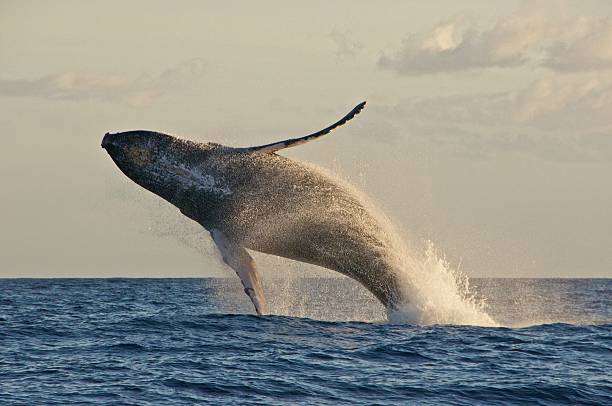
Sea turtles are only part of Maui’s marine wildlife. Reef fish such as parrotfish, tangs, butterflyfish, and wrasses create constant motion. Moray eels peer from crevices, octopuses hide in rubble, and spotted eagle rays sail past like underwater birds. Hawaiian monk seals sometimes haul out on beaches to rest, and they need even more distance than turtles. Dolphins may appear on boat trips, and from December through April, humpback whales dominate the channel between Maui, Lanai, and Molokai. Even so, respecting wildlife means not pursuing whales, cutting off dolphins, or crowding seals. Let animals initiate encounters, and keep your distance when they do.
Responsible ocean adventure also means reducing your footprint. Use reef-safe sunscreen, pack out all trash, and avoid single-use plastics that can blow into the water. Choose tour operators that follow local regulations, support conservation, and treat wildlife with care. Never feed fish or turtles. Feeding changes natural behavior and can make animals sick or dependent on humans. If you see fishing line, plastic, or other debris, pick it up safely when possible. If you encounter an injured turtle, seal, or dolphin, keep your distance and call the appropriate marine wildlife hotline rather than trying to help it yourself.
The future of Maui’s marine life depends on everyday choices. Coral reefs are under pressure from warming oceans, runoff, and overuse. Turtles can suffer from fibropapillomatosis, a disease that causes tumors, and they can become entangled in fishing gear. Small actions add up when thousands of visitors take them seriously. Stay on marked paths near the shore, avoid standing on coral, and support local organizations that restore reefs and rescue wildlife. Talk to your family and friends about what you saw and why it matters.
Maui’s sea turtles and marine wildlife offer a kind of wonder that stays with travelers long after the tan fades. The island’s reefs, bays, and channels are not a theme park; they are a living ecosystem. When you enter the water with humility, curiosity, and restraint, you become part of the solution rather than another source of stress. Float gently, look closely, and let the ocean reveal itself on its own terms. That is how a simple snorkel becomes a memory worth protecting.