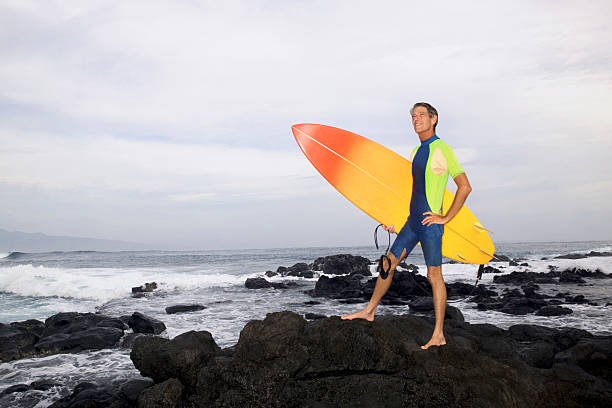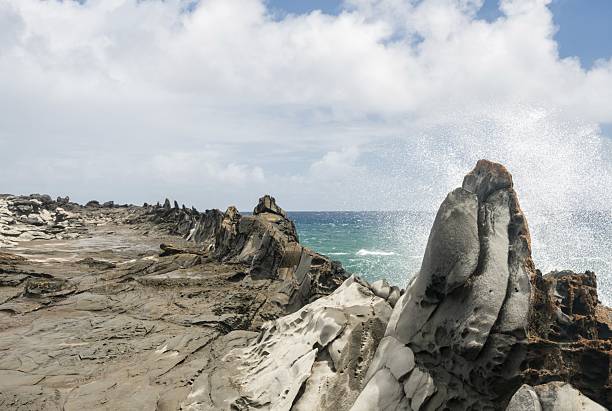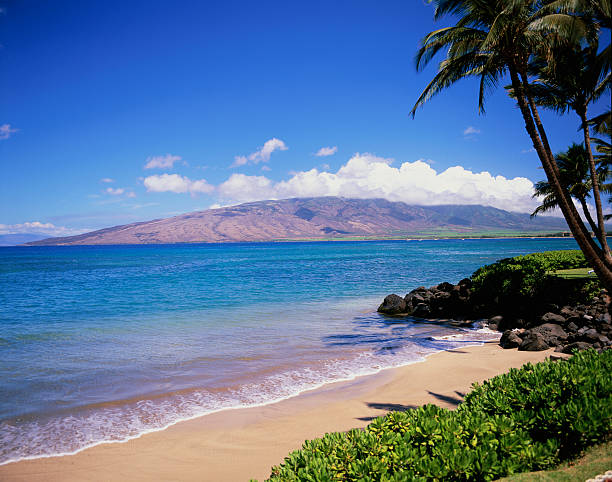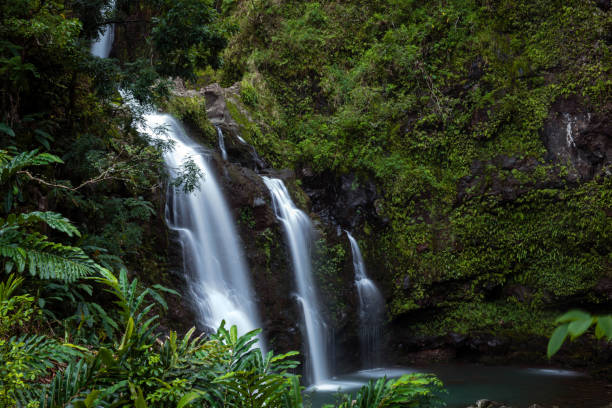
Maui has a reputation as an expensive paradise, and it can be. But the island’s greatest treasures—trade winds that smell like plumeria, sea turtles gliding through clear water, the smell of rain on dry lava, a sunset that turns the whole west coast gold—do not charge admission. A budget trip to Maui is not about skipping the magic. It is about spending deliberately, so your money goes toward experiences that matter and your days stay full of wonder. With a little planning and a willingness to travel like a local, you can enjoy Maui’s culture, history, and landscapes without draining your savings.
Timing is one of the most powerful budget tools. Peak season runs from mid-December through spring break, and summer brings families. If you can travel in late April, May, September, or October, you will often find lower airfares and room rates. Whale season, roughly December through April, is spectacular, but it also raises demand. If whales are a priority, book early and look for deals. If not, consider the quieter shoulder months. Flying midweek, setting fare alerts, and being flexible about departure airports can save hundreds. Once on the island, a rental car is usually worth the cost because it opens up free beaches, hikes, and local towns. Book a compact car early, compare airport and off-airport options, and avoid paying for a vehicle larger than you need.
Where you sleep shapes your budget more than almost anything else. Oceanfront resorts are lovely, but they often add daily resort fees, parking charges, and expensive meals. Instead, look at condos with kitchens in Kihei, Wailuku, Kahului, or the north shore. A simple breakfast on the lanai and a packed lunch can save enough for a snorkel trip or a nice dinner. Upcountry rentals near Makawao or Kula can be cooler, quieter, and more affordable, though you will drive farther to the beach. For adventurous travelers, permitted campsites and cabins offer a memorable, low-cost way to sleep near the ocean or under the stars, but research rules and reserve well ahead. Always book directly or through reputable local hosts, and read cleaning-fee details carefully.
Eating well on a budget in Maui is easy if you follow the locals. Plate lunches, poke bowls, saimin, and fresh fruit from farmers markets deliver big flavor without resort prices. Food trucks often serve excellent fish tacos, huli huli chicken, and shave ice. Happy hour can be a smart way to try a great restaurant for less. Buy groceries for breakfast, snacks, and beach picnics. A cooler, reusable water bottles, and a stop at a local market can turn a day at the beach into a feast. This is also a chance to taste Maui’s history. The island’s food reflects Hawaiian, Portuguese, Japanese, Filipino, Chinese, and Puerto Rican influences, a legacy of plantation days and generations of families who made Maui home.
Activities do not have to be expensive. The ocean is the main attraction. Snorkel from shore at protected bays, swim at lifeguarded beaches, and watch sea turtles from a respectful distance. Hike in Haleakala National Park, explore the lush Pipiwai Trail, or walk the lava fields of Ahihi-Kinau. The Road to Hana is a classic, but you do not need a pricey tour to enjoy it; download a reputable guide, start early, and spend your money on banana bread and admission to the Seven Sacred Pools instead. Cultural sites such as Iao Valley, Kepaniwai Heritage Gardens, and the Bailey House Museum offer rich history for modest fees. Many resorts host free cultural activities, from hula to lei making, and community events often welcome visitors. Always respect kapu signs, private property, and sacred places.
A few small habits add up. Bring reef-safe sunscreen, a hat, and a reusable bag. Skip the souvenir shop for a farmers market treat. Choose one splurge—a helicopter ride, a sunset sail, a luau—and plan the rest of your trip around free pleasures. Set a daily budget, use cash for small vendors, and track spending without obsessing. Most importantly, slow down. Maui rewards travelers who linger: talking story with a shopkeeper, watching waves at Ho‘okipa, learning a few Hawaiian words. The island’s beauty is generous, and with thoughtful choices, your trip can be too.