Maui has a reputation as a dream destination, and that dream can feel expensive. Flights, resorts, rental cars, and adventures add up quickly. The good news is that some of Maui’s most unforgettable experiences—watching sunrise paint Haleakala, swimming in warm water, hearing hula drums at a community event, tasting fresh pineapple from a roadside stand—are free or surprisingly affordable. Budget travel here is not about skipping the magic. It is about spending with intention, slowing down, and letting the island’s culture and natural beauty carry the trip.
Timing matters most. When possible, avoid the peak weeks around Christmas, spring break, and summer. The shoulder seasons of mid-April to early June and September to early December often bring lower airfare and better lodging rates. Midweek flights can cost less. Look for a condo or ohana unit in Kihei, Maalaea, Wailuku, or Upcountry. A kitchen saves on meals, and a cooler turns any beach into a picnic spot. Check resort fees, parking, and cleaning fees; a low rate can hide extra costs. Camping and cabin permits are affordable but require planning and respect for the rules that protect these places.
Food is where a Maui budget can either bloom or break. Skip fine dining every night. Local plate lunch spots, food trucks, poke counters, and farmers markets serve incredible food at reasonable prices. Stock up on groceries on your first day. A lanai breakfast beats an expensive buffet. For lunch, look for kalua pork, chicken long rice, garlic shrimp, or a fresh fish sandwich. Happy hour can be a smart way to enjoy a nicer restaurant without the full dinner bill. Save splurges for a meaningful meal, a luau, or a sunset sail, and keep the rest of your dining casual and local.
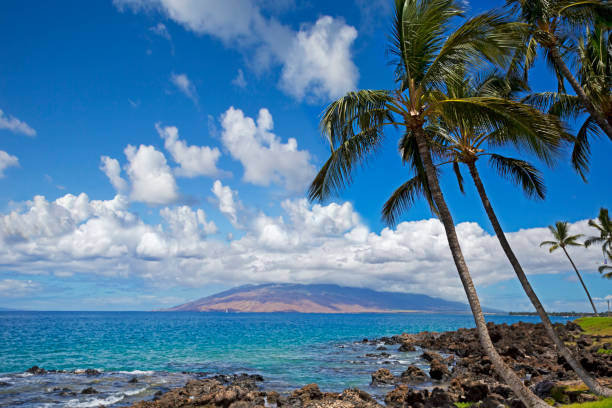
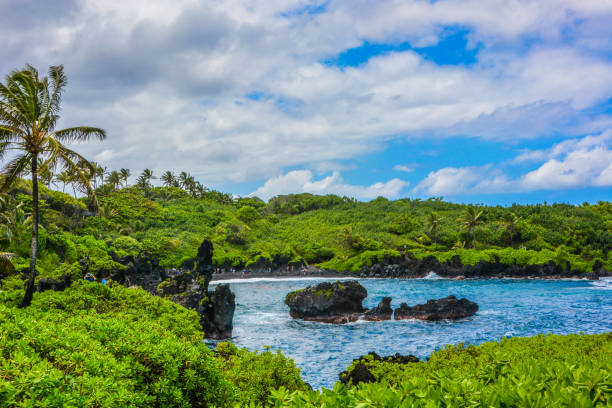
The island’s best activities are often free. Beaches all around Maui invite you to swim, snorkel, bodyboard, or simply float. If you bring or rent snorkel gear for the week, you can explore places like Black Rock or Ahihi-Kinau without paying for a boat tour. Hiking costs nothing but water, sunscreen, and good shoes. The Pipiwai Trail, Waihee Ridge Trail, and Hoapili Trail offer wildly different landscapes, from bamboo forests to coastal lava fields. The Road to Hana can be done independently with a good map, a full tank of gas, and patience. For Haleakala sunrise, make the required reservation and pay the national park entry fee, then carpool if possible. Small museums, historic churches, and cultural centers often ask only for a modest donation.
Culture and history belong in every budget plan, not as a paid add-on but as the heart of the trip. Maui’s stories live in its fishponds, heiau, plantation towns, and family-run shops. Learn a few Hawaiian words, remove your shoes when asked, and never trespass on private land. Do not take rocks, sand, or coral. When you spend money, choose locally owned businesses, farmers, and artisans. That choice keeps more value on the island and deepens your connection to the place. A free hula performance or community festival can be more moving than a polished show, and it often teaches you more about the living culture of Maui.
Transportation can also be managed. One rental car shared by your travel group is usually cheaper than multiple tours, but compare prices early and consider a compact car rather than a Jeep if you are not driving rough roads. Plan errands in loops to save gas and time. In towns like Paia, Makawao, and Wailuku, you can park once and walk. The Maui Bus is limited but useful for some routes, especially if you are staying near a line. Avoid unnecessary taxis and rideshares by grouping your day’s activities.
Finally, give yourself a daily spending target and track it. Use credit card points for flights or lodging if you have them. Book popular tours directly with small operators and ask what is included. Choose two or three paid experiences that matter most and let the rest of the trip be simple. Maui rewards travelers who linger: a morning swim, a conversation with a local vendor, a plate lunch under a banyan tree. You can come with a modest budget and leave with a full heart.