On Maui, some of the best meals are not served with ocean views or white tablecloths. They come in foam containers or paper plates, heavy with rice, macaroni salad, and a protein grilled, fried, or slow-cooked until it tastes like comfort. This is the plate lunch, a local institution that captures the island’s history in every scoop. For visitors, it is one of the easiest ways to step beyond resort menus and into everyday Maui.
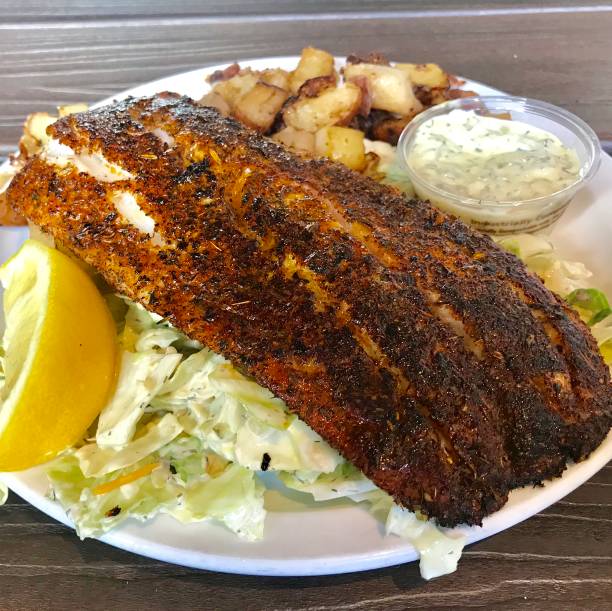
The classic plate lunch follows a simple formula: two scoops of white rice, one scoop of macaroni salad, and a main dish. That might be chicken katsu, crisp under tonkatsu sauce. It might be teriyaki beef, sliced thin and glossy. It might be kalua pork, smoky and salty from an imu, or loco moco, a hamburger patty crowned with a fried egg and brown gravy. Around these anchors, you will often find kimchi, pickled onions, lomi lomi salmon, or pineapple. The combination sounds random until you take a bite. Then it makes perfect sense.
The plate lunch is rooted in Hawaii’s plantation era, when workers from Japan, China, the Philippines, Portugal, Puerto Rico, and Korea labored side by side in sugar and pineapple fields. They brought their own foods, but lunchtime became a shared table. Rice from Asia, macaroni salad with European and American roots, and proteins seasoned with soy, vinegar, garlic, and chili all landed on the same plate. On Maui, that history is still alive in towns like Wailuku, Kahului, Makawao, and Hana. Each shop has its own loyal following and its own way with gravy, mac salad, and marinade.
Ordering a plate lunch is not complicated, but it helps to know a few things. Come hungry. A plate lunch is not a light snack. Be ready to choose between regular and mini sizes; the mini is often plenty for one person. Do not skip the mac salad. It is not a throwaway side. Good mac salad is creamy, slightly tangy, and made to cut through rich, salty meats. Ask what is fresh or popular. Locals behind the counter will steer you right, whether toward garlic chicken, mahi mahi, or a daily special.
If plate lunch is Maui’s comfort food, poke is its bright, oceanic counterpart. Poke means “to slice” or “cut” in Hawaiian, and traditional versions were simple: fresh fish, sea salt, limu seaweed, and roasted kukui nut. Today, poke is a phenomenon, but on Maui it remains a daily staple. You will find it in grocery delis, fish markets, roadside stands, and plate lunch shops. Ahi is most common, though you may also see tako, salmon, or tofu. Marinades range from classic shoyu and sesame to spicy mayo, wasabi, garlic, and sweet onion.
The best poke tastes clean and cool, with fish that is firm but tender and sauces that enhance rather than drown. A shoyu poke might be salty and nutty, with sesame oil and green onion. A spicy poke might bring creamy heat. A limu poke adds ocean flavor and a slight chew. Many people eat poke as a bowl over rice, sometimes with avocado, cucumber, edamame, or crispy toppings. Others buy it by the pound and take it to the beach with chips. Both are correct. On a hot Maui afternoon, few things are better.
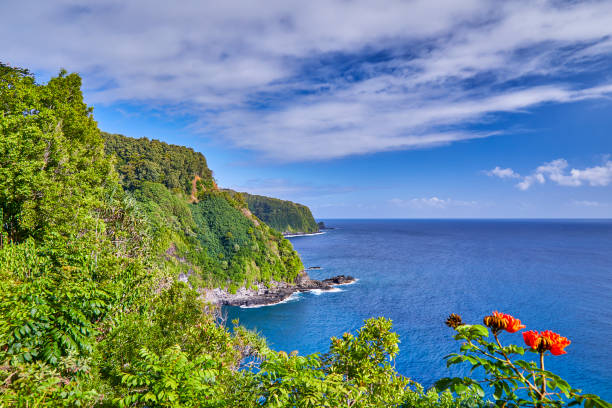
Drinks around these meals tend to be simple and refreshing. Hawaiian Sun cans, cold soda, iced tea, and local beer are common. If you are lucky, you will find fresh juices or a decent mai tai nearby. The point is not formality. The point is to eat well after a morning of snorkeling, hiking, or driving the Road to Hana, and to feel connected to the island’s everyday rhythms.
For travelers, the joy of Maui food is not only in the flavors but in the discovery. Pull into a shopping center where the sign looks faded. Join the line of construction workers, surfers, and office staff. Order a plate lunch, add a container of poke, and find a park bench or quiet beach. You will learn more about Maui in one meal than in a dozen souvenir shops. These foods are humble, but they are also generous. They reflect the island’s diversity, its ocean, and its habit of making everyone feel welcome.