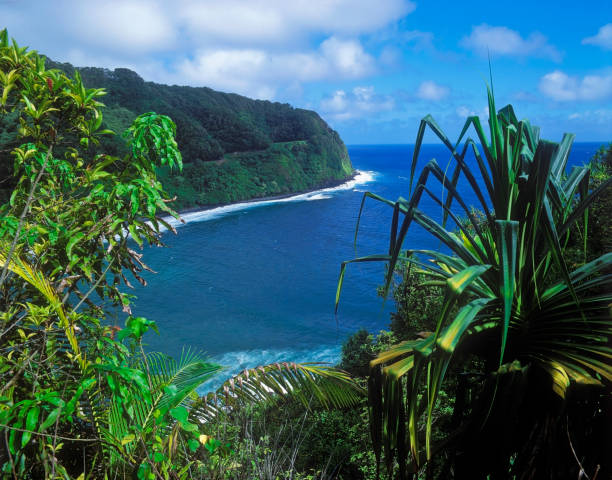
Maui’s rainforests are not a single destination. They are a shifting, breathing part of the island, created by trade winds that cool the beach and gather clouds around Haleakala’s summit. Drive from Kihei, where sun beats down on dry lava, and within forty-five minutes you can be in Haiku, wiping mist from your face as rain drips from banana leaves. Continue toward Hana, and the world becomes green: bamboo, ohia, ferns, moss, and waterfalls that appear after a passing shower. This is not random weather. It is the result of Maui’s dramatic microclimates, and hiking through them is unforgettable.
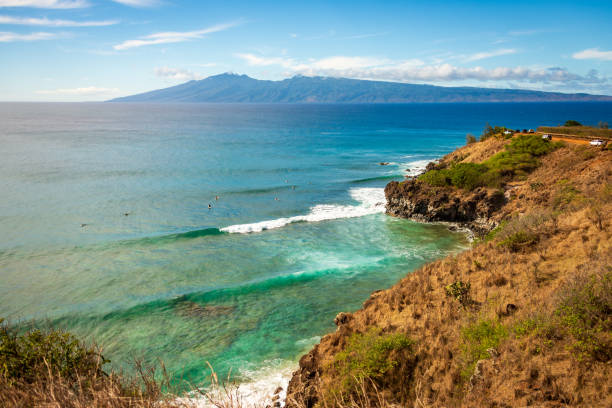
The pattern begins with trade winds. Moist air blows in from the northeast, hits the windward slopes of Haleakala and the West Maui Mountains, and is forced upward. As it rises, it cools, and moisture condenses into clouds and rain. Windward areas around Hana, Kipahulu, and the upper slopes receive enormous rainfall, while leeward places like Kihei, Wailea, and Lahaina often stay dry and sunny. In between are subtle zones: cool Upcountry pastures, misty cloud forests, damp gulches, and sunlit coastal stretches. A single hike can cross several, so packing layers is not optional.
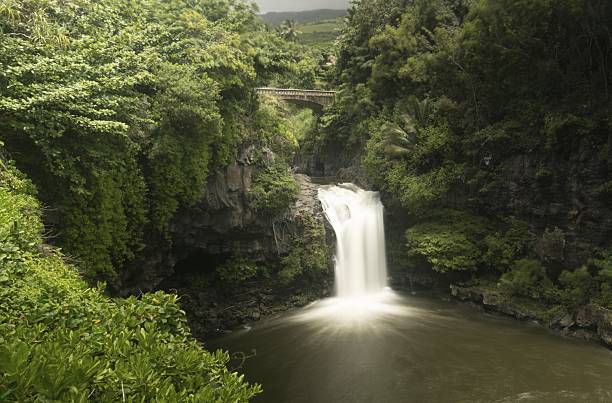
On Haleakala’s windward side, the rainforest feels ancient. The Pipiwai Trail in Kipahulu, part of Haleakala National Park, leads hikers through dense bamboo and past the 400-foot Waimoku Falls. The air is thick and sweet, and the trail is often muddy. That mud is part of the experience, but it is also a warning. Rainforest trails can be slippery, roots hide beneath leaves, and streams can rise quickly after upstream rain. A sunny trailhead does not guarantee dry feet an hour later. Check the forecast, ask about conditions, and turn around if a stream runs high or brown. Flash floods are real.
The West Maui Mountains offer another rainforest world. Iao Valley, with its iconic Iao Needle, is a place where mist clings to the ridgeline and rain can fall while Kihei stays bright. The upper slopes of Puu Kukui are among the wettest places on earth, though that fragile native forest is protected and not open to casual hiking. Visitors can still feel the rainforest’s power in the valley, where streams, taro, and thick vegetation tell the story of water moving from cloud to land to sea. On Haleakala, Waikamoi Preserve protects native rainforest and cloud forest, home to rare birds and plants. Access is usually guided.
Microclimates shape everything about a rainforest hike. In Haiku, you might need a rain jacket; in Kula, a light sweater; on the summit, a winter coat. Near Hana, mosquitoes are common, so repellent helps. The sun can still burn through thin clouds. Sturdy shoes with traction are better than flip-flops, and a dry bag for your phone can save your day. Most importantly, stay on the trail. Rainforest soils are easily damaged, and stepping off-trail can spread invasive seeds or harm native plants. Clean your shoes and gear before and after hikes to help prevent Rapid Ohia Death, a disease that threatens Hawaii’s native ohia trees.
Hiking here also asks for respect. Native Hawaiian rainforests are not just scenery; they are watersheds that feed streams, taro patches, and coral reefs. They are home to endangered birds, snails, and insects found nowhere else. Take only photographs, leave only footprints, and support guides who care for the land. Let the rainforest be loud: wind in bamboo, rain on leaves, a waterfall in the distance. Let it be quiet, too, so you can hear birds that survive here.
The magic of Maui’s rainforests is that they change from moment to moment. One bend in the trail brings sun; the next brings mist. One valley is dry and open; another is dripping and green. By paying attention to microclimates, you begin to understand how the island works. You also learn how to travel well here: prepared, curious, and humble. Whether you climb toward a waterfall on the Pipiwai Trail or drive the Road to Hana, the rainforest will remind you that Maui’s beauty is not only in its beaches. It is also in its clouds, rain, and wild green slopes.