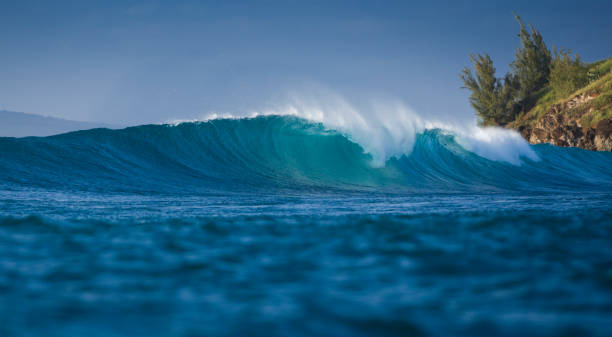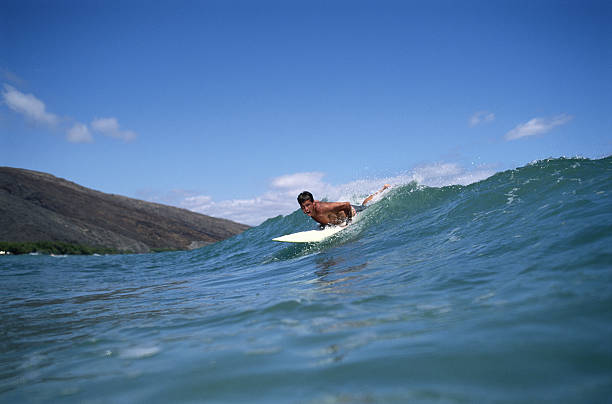
Maui’s coastline is a patchwork of world-class reef breaks, gentle rollers, and heavy winter swells, and every spot has its own rhythm. Ho’okipa moves with raw power. Lahaina Harbor offers forgiving walls. Olowalu, Kihei, Makena, Baldwin Beach, Kanaha, Honolua Bay, and Peahi each ask something different from a surfer. The first lesson is simple: before you paddle out, stop and watch. Ten minutes on the beach can teach you where the peak is, how the current pulls, which way the wind is pushing, and how local surfers are sharing the lineup. Etiquette begins on land, with respectful parking, quiet voices, and no trampling through private property. If you have questions, ask a surf shop or a lifeguard, not the surfer paddling hard for a set.
In the water, right of way is not negotiable. The surfer closest to the peak has the wave. Dropping in on that person is the quickest way to create danger and bad feeling. If someone is deeper or paddling for the same wave, let it go. There will be another. When paddling back out, use channels and paddle wide around the lineup, not through it. Do not snake or steal someone’s position. Call out clearly if you are going left or right, and keep communication calm. If you fall, cover your head and come up aware. Hold onto your board when possible, but never let it become a missile. A leash is a backup, not a license to ditch your board near reef or other people.
Know your limits, because Maui’s beauty can hide serious hazards. Reefs are shallow and sharp. Urchins wait in crevices. Currents can sweep even strong swimmers along the coast. Some breaks are for experts only, especially when Honolua Bay fills with winter swell or Peahi turns into an arena of giant waves. Check the surf report, tide, and wind. Watch for brown water, storm runoff, and sudden gusts. If lifeguards are present, ask about conditions. If they are not, be extra cautious. Never surf alone if you can avoid it. If you are caught in a rip current, do not fight it. Paddle parallel to the beach until you escape, then use the waves to help you in. Raise one arm and shout if you need help. If in doubt, do not go out. That is not cowardice; it is seamanship.
Ocean respect also means respecting the life beneath you. Coral is not rock. It is a living animal city that takes years to grow and moments to break. Do not stand on it, kick it, or grab it to steady yourself. Keep a generous distance from sea turtles and Hawaiian monk seals. They are protected, and harassment stresses them. Use reef-safe sunscreen, take all trash with you, and pick up a piece of plastic if you see it. Leave shells and sand where they belong. These small choices protect the very things that make Maui’s surf experience magical.
Localism exists on Maui, but it is often rooted in protection rather than hostility. Many surfers grew up on these breaks, learned their moods, and have seen visitors ignore safety and courtesy. Earn your place with patience and humility. Offer a smile and a shaka. Share waves when the opportunity comes. If someone corrects you, listen, apologize, and give space. Do not argue in the lineup. Moving to another peak is better than creating tension. Remember that Hawaiian beaches are cultural landscapes, not just recreation zones. The spirit of aloha and malama ka ’aina, care for the land and sea, should guide every session.
After surfing, leave the beach cleaner than you found it. Rinse off, stow your board safely, and talk story. Support local shops, shapers, and cafes. Their knowledge and hospitality make the surf community stronger. Above all, ride within your ability and with awareness of everyone around you. The ocean does not owe us a perfect wave. It offers a gift, and the proper response is gratitude, caution, and respect. When you paddle out on Maui with those values, you not only surf better; you become part of the place rather than a passing disruption.