The Road to Hana is often described as a drive, but for hikers it is a treasure hunt. Every few miles, the Hana Highway slips past a trailhead, a one-lane bridge, or a ribbon of water falling through green. The road is only about sixty-four miles long, yet it carries more than six hundred curves and dozens of bridges, so rushing makes no sense. The best approach is to start early from Paia or Kahului, pack water, snacks, sturdy shoes, a rain jacket, and bug repellent, and accept that you will not see everything in one day. Cell service is spotty, weather changes quickly, and flash floods are real. The reward for patience is a day of hiking through bamboo, swimming beneath waterfalls when conditions allow, and feeling the rainforest close around you.
One of the easiest introductions is Twin Falls near mile marker two. It is popular for a reason: a short walk leads to several pools and falls, and a farm stand offers smoothies and snacks. Go early to beat the crowds. Stay on marked paths, because beyond the public areas are private lands and working farms. A little farther, the Waikamoi Ridge Trail offers a quiet loop through eucalyptus and native forest. It is muddy, rooty, and not a waterfall hike, but it gives you a sense of Maui’s upland green. This is a good place to stretch your legs before the road narrows.
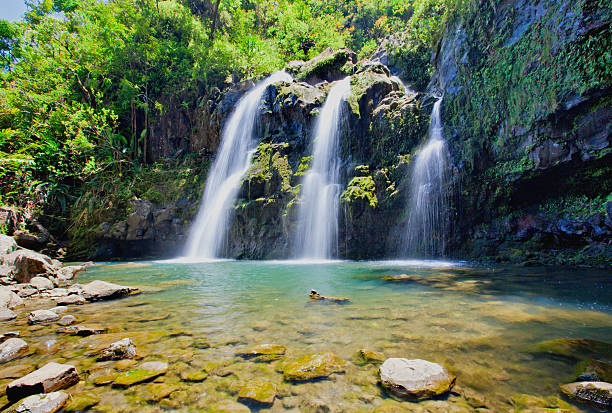
As you continue, the waterfalls come thick and fast. Upper Waikani Falls, sometimes called Three Bears, tumbles beside the road in three parallel strands. The view from the bridge is unforgettable, but the scramble down is steep, slippery, and often crowded. Use extreme caution, and never enter water when it is rising or brown. Pua’a Ka’a State Wayside offers a safer stop with restrooms, picnic tables, and small falls. Hanawi Falls and Wailua Falls appear later, each framed by jungle. Wailua Falls is one of the most photographed cascades on the route, but the roadside parking is limited and hazardous. Take your photo, then move on.
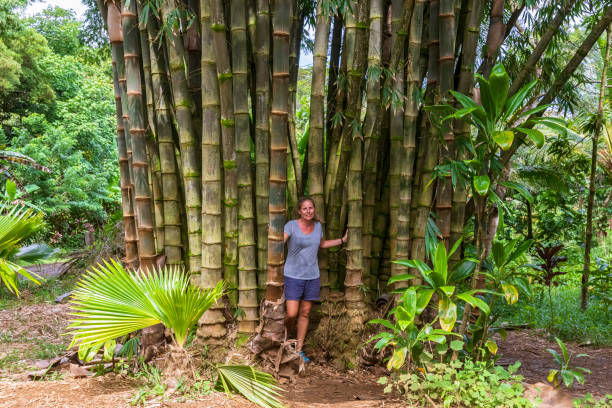
The most rewarding hike on the Hana Highway lies beyond Hana itself, in the Kipahulu District of Haleakala National Park. The Pipiwai Trail is a four-mile round trip that climbs through rainforest, passes the towering banyan tree, and enters a bamboo forest so dense that the wind makes music. Boardwalks carry you over roots and mud, and Makahiku Falls appears through the trees. At the end, Waimoku Falls drops more than four hundred feet down a sheer rock wall. It is a powerful, humbling sight. Allow two to three hours, carry water, and check park alerts. Swimming is not recommended at Waimoku because of falling rocks, and the pools at Ohe’o Gulch, often called the Seven Sacred Pools, may be closed when flash flood risk is high. Even when open, they deserve respect.
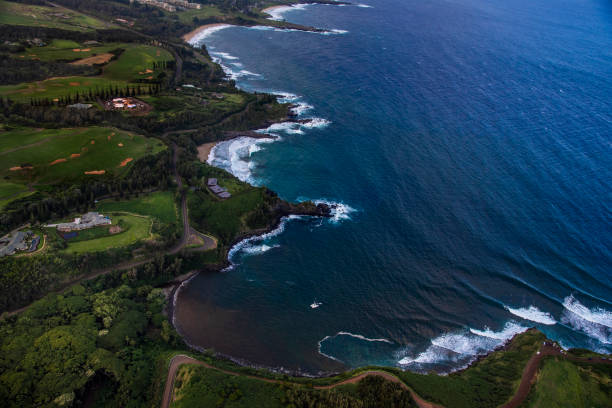
Wai’anapanapa State Park near Hana is another essential stop. Its black sand beach, sea arches, blowholes, and coastal trail show a different side of Maui’s nature. Advance reservations are required for non-residents, so plan ahead. The trail along the lava coast is short but dramatic, with views of turquoise water crashing against black rock. Nearby, Hana town itself is slow and welcoming, with food trucks, a general store, and bays where you can watch the evening light.
Safety and respect matter everywhere on this journey. Freshwater streams can carry leptospirosis, so avoid swimming with open cuts and never drink untreated water. Flash floods can arrive without rain overhead, so if the water turns muddy or rises, leave immediately. Do not trespass on private property, do not block driveways, and do not park on the road. Pack out all trash, use reef-safe sunscreen, and keep your distance from wildlife. The Road to Hana is not a checklist. It is a living Hawaiian place, and the best way to honor it is to slow down, drive with aloha, and let the waterfalls and forest set the pace. If you have time, stay overnight in Hana or Kipahulu; the drive back in the dark is tiring, and the next morning offers empty trails and soft light. Bring cash for small stands.