A Maui luau is not simply a dinner and a show. It is an evening built around Hawaiian hospitality, where the scent of salt air mixes with the smoke of an underground oven, the sound of conch shells, and the rhythm of pahu drums. For first-timers and returning travelers alike, a luau can make the island’s beauty personal. The best ones feel less like a tourist attraction and more like an invitation to sit at the family table, listen to stories, and eat until you understand why kalua pork and poi have survived for generations.
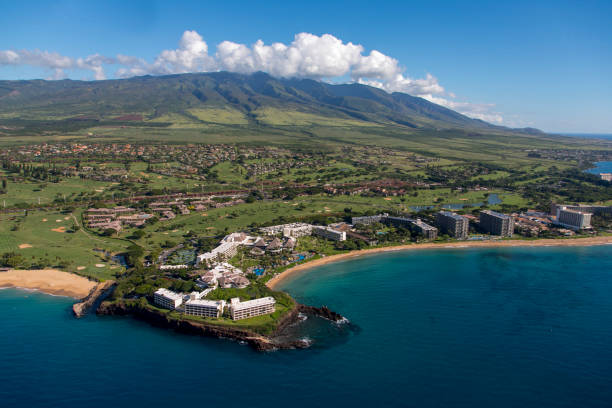
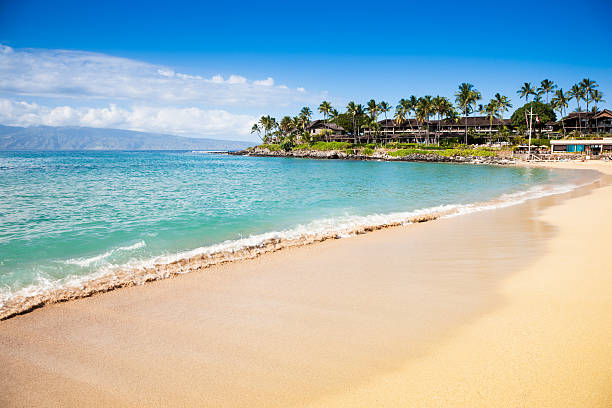
The setting sets the tone before the first performer steps on stage. Many luaus unfold on oceanfront lawns in Ka’anapali and Wailea, or in garden courtyards where torchlight flickers against palm trees. Arriving before sunset is part of the pleasure. You can watch the sky turn from blue to gold to lavender while a host greets you with a shell lei or a fresh flower lei and a tropical welcome drink. There may be Hawaiian games, crafts, temporary tattoos, or a chance to see the imu, the underground oven where the pig has been cooking for hours. When the imu is uncovered, steam and fragrance rise into the evening air, and that earthy, smoky aroma is your first real taste of the feast to come.
The food is where many visitors discover a new favorite. Kalua pork, tender and smoky, is usually the centerpiece. Around it you might find laulau, pork and fish wrapped in taro leaves and steamed until soft; lomi lomi salmon, cool and bright with tomato and onion; poke, cubes of fresh fish dressed with soy, sesame, and seaweed; chicken long rice; grilled fish; and sweet potatoes. Poi, made from taro, is often described as an acquired taste. Try it anyway. Its mild, slightly tangy flavor is a link to ancient Hawaii, and it pairs beautifully with salty pork. Save room for haupia, a coconut milk dessert with a silky, pudding-like texture, or kulolo, a dense taro and coconut sweet. Drinks flow freely at many luaus, from mai tais and tropical cocktails to beer, wine, and nonalcoholic fruit punches. Pace yourself, especially if driving.
Entertainment is the heart of the evening, and hula is its language. Hula is not just dancing; it is storytelling. A single gesture of the hands can represent a wave, a mountain, a bird, or a memory. You may see kahiko, the older, powerful style accompanied by chanting and drums, and auana, the modern style with ukulele, slack-key guitar, and gentler melodies. The emcee often explains the stories behind the dances, from voyaging canoes to Hawaiian deities to the arrival of strangers. The fire knife dance is thrilling, but it is only one thread in a much larger tapestry. Some luaus focus tightly on Hawaiian culture; others present a broader Polynesian revue with performers from Samoa, Tahiti, and New Zealand. Neither is wrong, but knowing what you want will help you choose.
Choosing the right luau matters. A large resort luau may offer polished production, convenient parking, and a spectacular sunset view. A smaller, family-run luau may feel more intimate and rooted in local tradition. Consider whether dinner is a buffet or plated, whether seating is assigned by tier, and whether transportation is included. If you have children, check whether the show is family-friendly and whether there are activities before dinner. Book well in advance, especially during peak seasons, holidays, and whale-watching months. The most popular luaus sell out, and the best tables go first.
A little respect goes a long way. Hula and Hawaiian music carry cultural weight, so follow the host’s cues about when to applaud or remain quiet. Avoid touching performers or walking through the performance area. Ask before taking close-up photos of dancers, and keep phones out of the way of others. Dress resort casual, bring a light layer for trade winds, and wear comfortable shoes. Most of all, arrive hungry and curious. A Maui luau is a feast, a history lesson, and a sunset all at once. Whether it is your first or your fifteenth, it can remind you that Maui is not just a place to visit but a culture to honor.