The first hint of light on Haleakala does not arrive all at once. It begins as a faint line along the horizon. Then the stars above the summit seem to loosen, and the clouds below the crater turn from gray to rose to gold. When the sun finally breaks free, it feels less like a sunrise and more like a world being switched on. This is the experience thousands of travelers hope for when they set their alarms for 3 a.m. and drive from Maui’s warm coast into the cold, high-altitude silence of Haleakala National Park. With a little planning, it can be magical. Without it, it can be cold, crowded, and confusing.
The most important essential is a sunrise reservation. Haleakala National Park manages sunrise viewing carefully because the summit cannot hold everyone who wants to attend. If you plan to enter the summit district during the early morning window, check the park’s current reservation system well before your trip. Reservation windows can fill quickly, especially during holidays and peak seasons. Have your dates flexible, be ready to book as soon as the window opens, and confirm the rules directly with the park because procedures can change. Even with a reservation, you will also need to pay the park entrance fee unless you have an annual pass. Arriving without a plan may mean watching the sunrise from a lower elevation or trying again another day.
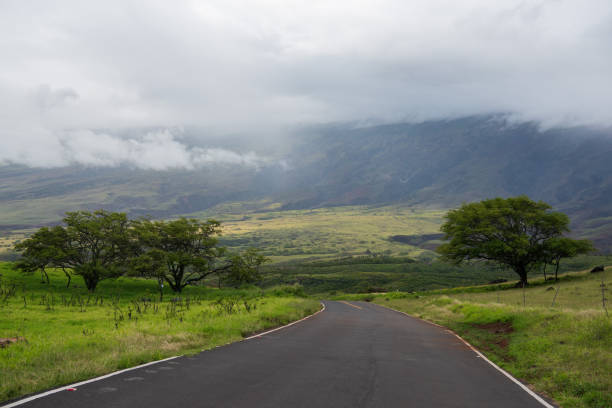
Timing matters almost as much as the reservation. Sunrise time shifts through the year, but the drive is long no matter when you go. From Kahului, the trip to the summit takes about an hour and a half, and from Kihei, Wailea, or Lahaina it can take two hours or more. The road climbs through ranchland, cloud forest, and stark volcanic slopes. It is winding, narrow, and often dark. Fill your gas tank the night before, download your directions, and drive slowly. There are no streetlights, and animals such as nene geese may be near the road. Arrive at least thirty to sixty minutes before sunrise. That gives you time to park, bundle up, and find a place to stand without rushing.
The cold surprises many visitors. At sea level, Maui may feel like a tropical dream. At the summit, the air is thin and temperatures can drop into the thirties or lower, with wind that makes it feel even colder. Bring warm layers, a hat, gloves, socks, and a jacket that blocks wind. Blankets help. Closed shoes are better than sandals. You may also want water and snacks. Eating before sunrise can be tricky at altitude. The summit sits above ten thousand feet, so shortness of breath, dizziness, headache, and nausea are possible. Take it easy, drink water, and descend if symptoms worsen. Do not plan a strenuous hike immediately after stepping out of the car.
Once the sun is up, do not rush away. The summit district holds much more than one famous viewpoint. The visitor center offers exhibits and rangers who can explain the volcano’s geology, the Hawaiian cultural significance of the area, and the rare plants and animals that survive there. The endangered silversword is a particular treasure, growing slowly for years before sending up a single spectacular bloom. Stay on trails, keep your distance from wildlife, and never remove rocks, plants, or sand. Haleakala is a sacred place to many Hawaiians, and treating it with respect is part of being a good visitor.
If you have energy after sunrise, consider a short walk rather than a long descent. The Sliding Sands Trail begins near the summit and offers staggering views into the crater, but the altitude makes every step harder than it looks. A brief out-and-back stroll can be enough to feel the scale of the landscape. Lower down, Hosmer Grove or the Kalahaku Overlook can add forest and history. Always check weather and trail conditions, and carry more water than you think you need.
A Haleakala sunrise is not just a photo opportunity. It is a lesson in patience, preparation, and wonder. Book early, drive carefully, dress warmly, respect the mountain, and leave room for surprise. The sun will rise whether the clouds cooperate or not, and the experience will be richer when you meet it ready.