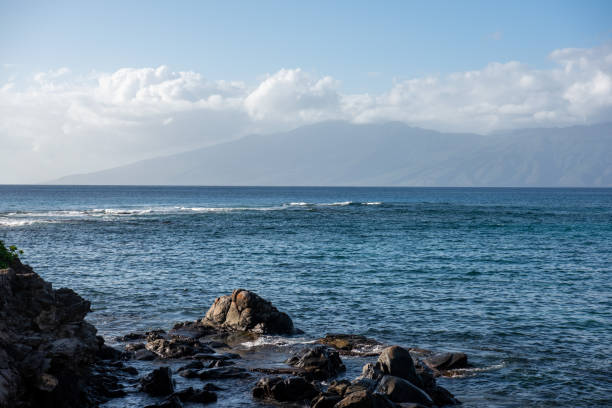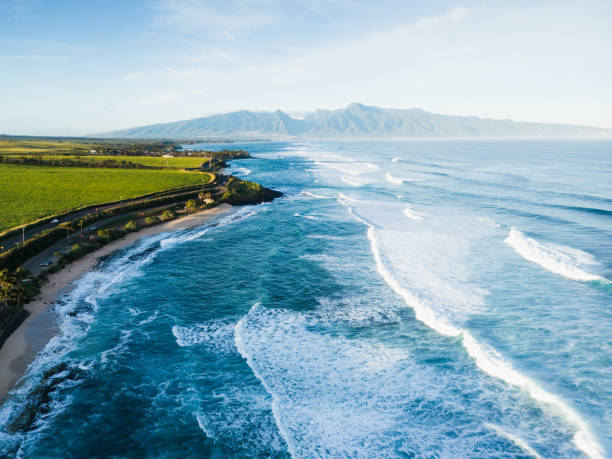
Maui changes character with the calendar. The island has a tropical climate, but it is not one long, unbroken summer. Trade winds, ocean temperatures, rainfall patterns, and the ebb and flow of visitors all shift month by month. Choosing when to go is less about finding a single perfect date and more about matching the season to the Maui you want to experience. Some travelers chase calm seas and sunny beach days. Others want huge winter waves, humpback whales, or the quiet rhythms of a local festival. Understanding those patterns can turn a good trip into an unforgettable one.
Weather is the first consideration. Maui has two main seasons: the drier, warmer months from roughly April through October and the wetter, cooler months from November through March. South and west-facing shores—Kihei, Wailea, Lahaina, and Kaanapali—tend to stay sunny even when rain clouds gather over the windward side. Hana and upcountry see more rain in winter. Summer brings consistent trade winds, which keep the coast comfortable but can make afternoon snorkeling choppier. Spring and fall often deliver the best balance: warm ocean water, gentle breezes, and fewer people than the peak summer and winter holidays.
Crowds and costs are another part of the puzzle. Maui is a beloved destination, and its most popular travel periods reflect that. Mid-December through early January, spring break, and the summer months bring higher airfares, packed restaurants, and limited rental cars. If your dream trip involves quiet beaches and spontaneous reservations, aim for the shoulder seasons. Late April through early June and September through early November are often sweet spots.
Whale season is a major reason many travelers choose winter. From roughly December through April, humpback whales migrate to Hawaiian waters to breed and calve. The Auau Channel between Maui, Lanai, and Molokai becomes one of the best places in the world to see them. You can spot spouts and breaches from shore, or join a responsible whale-watching tour. This is also a powerful time to connect with Hawaiian culture and history. Whales are not just wildlife here; they are part of the islands’ natural heritage and a reminder of the ocean’s importance in Polynesian navigation and storytelling. If whales are on your must-see list, plan for winter, but book accommodations early.
Culture and history add another layer to timing. Maui’s calendar includes events that celebrate hula, music, food, and the islands’ multicultural past. The Merrie Monarch Festival, held on Hawaii Island but celebrated across the state, usually falls in spring and brings hula performances and Hawaiian arts into focus. Maui itself hosts events like the Maui Film Festival, agricultural fairs, and local bon dances in summer. In September and October, Aloha Festivals celebrate Hawaiian traditions with music, parades, and community gatherings. Traveling during these times can deepen your experience, but it also means planning ahead for lodging and rental cars. If you prefer a quieter cultural immersion, visit during less event-heavy weeks and seek out small-town museums, fish markets, and talk-story sessions with locals.
Ocean conditions matter as much as air temperature. Summer tends to offer calmer seas on the south and west shores, making it ideal for snorkeling, sailing, and kayaking. Winter can bring northwest swells that light up the North Shore of Maui, especially around Ho’okipa, where skilled surfers and windsurfers gather. Beginners should not assume every winter day is safe for swimming; always check conditions and heed local warnings. Hiking is another seasonal consideration. Upcountry trails and Haleakala can be chilly at dawn, especially in winter, so layers are essential. Rain can make some trails muddy, but it also fills waterfalls and turns the road to Hana into a green spectacle.
Ultimately, the best time to visit Maui depends on your priorities. For sunny beach days and calm water, aim for late spring or early fall. For whales and dramatic surf, choose winter. For festivals and a lively island rhythm, look into event dates and book early. No matter the month, Maui rewards travelers who stay flexible, respect the land and people, and leave room for surprise. The island’s beauty is constant, but its moods are seasonal. Choosing the right window helps you meet Maui on its terms.