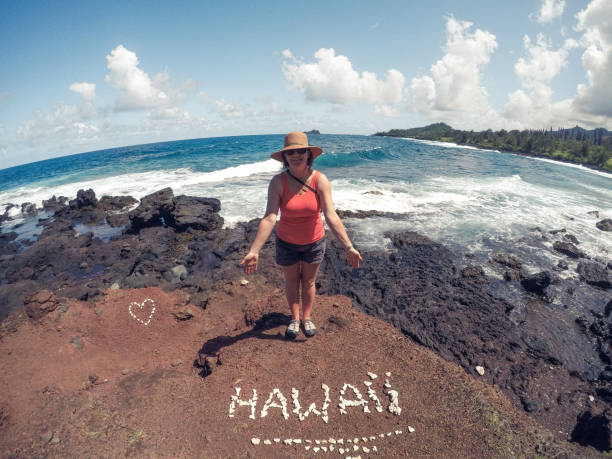
Maui’s trails lead to places that feel almost impossible: bamboo forests that whisper in the trade winds, lava fields painted in rust and gold, coastal paths where every bend reveals another blue. But the same beauty that makes these hikes unforgettable also demands respect. Safety on Maui begins before you leave your car. Check current weather, trail conditions, and park alerts. Some areas require permits or reservations, and certain trails close to protect nesting seabirds, fragile plants, or cultural sites. Talk with rangers when you can. They know which streams are running high and which ridgelines are socked in. Tell someone where you are going and when you expect to return, because cell service disappears quickly outside towns.
Weather here changes with startling speed. A sunny morning in Kula can turn into cold fog and driving rain on Haleakala. A calm stream in Iao Valley can become a dangerous torrent after rain upstream. Never cross rushing water. If clouds build, turn around. On coastal trails, loose lava rock shifts underfoot, and cliff edges are not always marked. A wrong turn on a lava field can be painful and disorienting. Carry more water than you think you need, along with electrolytes, snacks, sun protection, a rain shell, and a warm layer. A first aid kit, headlamp, and map are small weight for the peace they bring. Wear shoes with real traction. At high elevation, altitude can cause headache, nausea, and dizziness; descend if symptoms worsen.
Trail etiquette is more than politeness. It is a safety practice and a way to protect the land. Stay on the marked trail even when it looks muddy. Cutting switchbacks scars the hillside and causes erosion that can take years to heal. When you meet mud, walk straight through it rather than around it, because widening the trail damages fragile plants. Do not build cairns or move rocks to mark your own route. These markers can confuse other hikers and disturb the history of a place. Hawaiian cultural sites are sacred, not photo props. Leave stones, plants, and artifacts exactly where they are.
Yield rules keep everyone moving safely. Hikers going uphill often have the right of way, since it is harder to restart a climb, so downhill hikers should step aside when they can do so safely. Hikers yield to horses by moving to the downhill side and speaking softly so the animal does not spook. Bicyclists yield to hikers and horses. If you are in a group, do not spread across the whole trail. Let faster hikers pass. Keep voices low and leave the speaker at home; natural sound is part of the experience. If you stop for a snack or a photo, step off the trail only where it is safe and durable.
Haleakala deserves special care. At the summit, altitude, cold wind, and intense sun can surprise even fit hikers. Sliding Sands Trail drops into a vast cinder desert with no shade and little water. The downhill feels easy, but the climb back is steep and thin-aired. Turn around before you are tired, not after. Sunrise visitors should respect the quiet and stay behind railings. In the rainforest, Pipiwai Trail and similar routes can be slick with roots and mud, and stream crossings should never be underestimated. On exposed ridges like Waihee, wind and rain can turn a simple walk into a serious outing.
Leave no trace means pack out everything you bring, including fruit peels, wrappers, and used tissues. Use a bag for toilet paper if there is no restroom. Do not feed wildlife, and give nene geese plenty of space. Their survival depends on wild behavior, not human snacks. Keep dogs on leash only where allowed, and clean up after them. Many trails prohibit pets for good reason.
The best Maui hike is the one you finish with gratitude and no regrets. Start early, know your turn-around time, and be willing to change plans. A muddy trail rerouted today may be a thriving forest tomorrow. When you hike with safety and aloha, you protect yourself, the people around you, and the island that welcomed you. That is the true spirit of Maui.