The Road to Hana is not a race. The famous highway winds for about 64 miles along Maui’s lush windward coast, from Kahului through Paia and on to the quiet town of Hana. Along the way are more than 600 curves and dozens of one-lane bridges, each framed by rainforest, waterfalls, and ocean views. The real magic is in the pauses. If you rush, you’ll miss what makes this drive one of the most memorable experiences in Hawaii.
Start early. Leaving before sunrise helps you stay ahead of tour vans and gives you time to stop without feeling rushed. Fill your gas tank in Kahului or Paia, because services are limited past town. Bring water, snacks, a swimsuit, a towel, reef-safe sunscreen, and shoes that can handle mud. Cell service fades in and out, so download an offline map or bring a paper guide. Drive with patience. Local residents use this road for work, school, and daily life. Pull over only in safe, legal spots, never block a driveway or bridge, and never enter private property without permission.
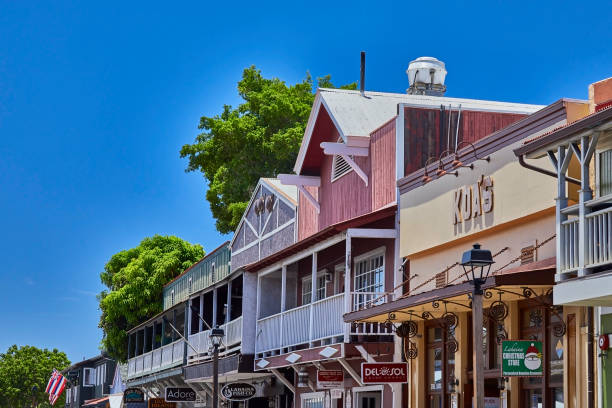
Your first taste of the journey comes in Paia, a former plantation town with colorful storefronts, surf shops, and cafes. It’s a good place to grab coffee or a breakfast plate before the road narrows. Beyond town, Ho’okipa Beach Lookout offers a chance to watch windsurfers and, in the right season, sea turtles resting on the sand. From there, the highway begins to climb and twist into the rainforest.
Twin Falls is an easy early stop, with a short walk to a few pools and falls. It can be crowded, so if the parking lot is full, keep going. The Waikamoi Ridge Trail offers a peaceful forest walk, while the Garden of Eden Arboretum showcases dramatic coastal views and tropical plants. At Ke’anae Peninsula, a side road leads to a rocky lava coast where waves explode against black rock. Nearby, Aunt Sandy’s banana bread has become a beloved tradition, and for good reason. The warm, moist loaf is the perfect fuel for the curves ahead.
As you continue, Wailua Valley State Wayside provides sweeping views into the valley and toward the ocean. Upper Waikani Falls, sometimes called Three Bears, is another classic photo stop. Pua’a Ka’a State Wayside has restrooms and a small waterfall that’s easy to reach. Hanawi Falls and Nahiku Marketplace offer more chances to stretch, snack, and talk with locals. The road itself is the main attraction. The dense green cliffs, the scent of ginger and eucalyptus, the sudden glimpses of blue ocean—these are the moments that stay with you.
Eventually, you reach Hana. This small, peaceful town is not a theme park. It is a community with deep roots and a slower rhythm. Hana Bay is calm and family-friendly, while Koki Beach and Hamoa Beach offer beautiful sand and powerful surf. Wai’anapanapa State Park is famous for its black sand beach, sea arches, and coastal trails. Reservations are required for out-of-state visitors, so plan ahead. In town, enjoy plate lunches and shave ice. Consider staying overnight. Hana after the day-trippers leave is quieter, stars brighter, and the experience richer.
Many travelers turn around in Hana, but the road continues. Beyond town, the Kipahulu section of Haleakala National Park protects the pools and waterfalls of ’Ohe’o Gulch. The so-called Seven Sacred Pools is a beautiful and sometimes dangerous place; flash floods can happen without warning, so obey all closures and warnings. If conditions allow, the back road through Kaupo and Ulupalakua offers a different landscape of dry grasslands and ranch country. Check with your rental car company first, because weather can make it treacherous.
The Road to Hana asks for respect, flexibility, and time. It rewards those who resist the urge to check off every stop and instead let the island set the pace. Swim only where safe, never turn your back on the ocean, carry out everything you bring in, and support local businesses. Whether you drive it in one long day or stretch it into two, the Road to Hana is less about reaching Hana and more about letting Maui reveal itself one curve at a time.