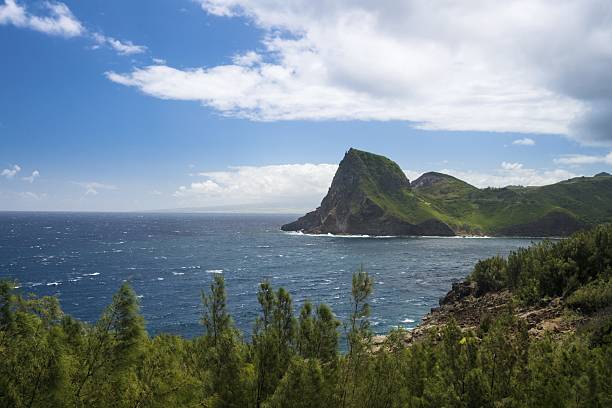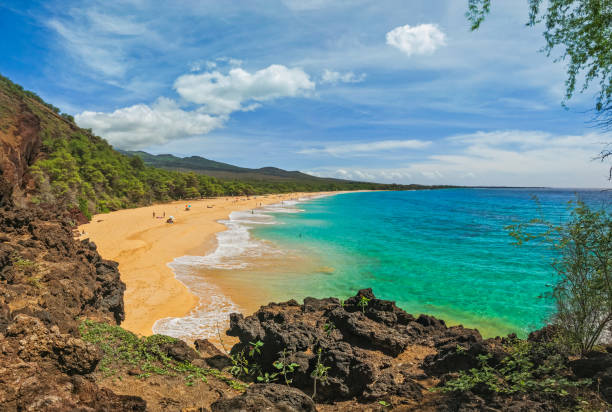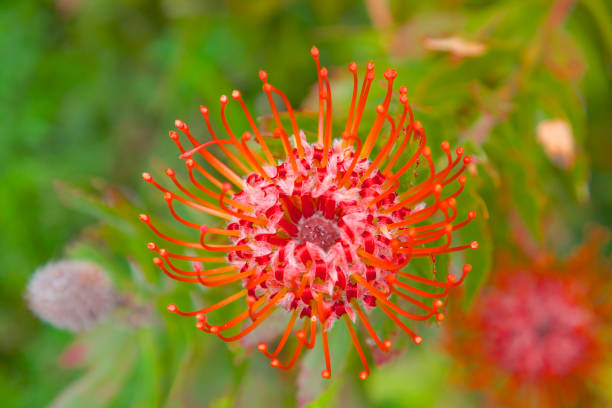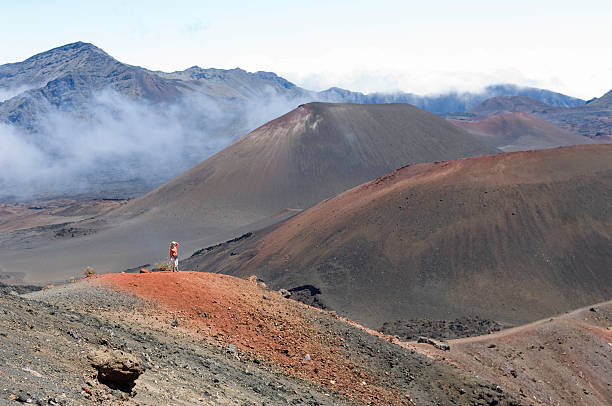
Maui hiking is not only about Haleakala. The island’s older, wilder heart lies in the West Maui Mountains and the central valley below them. Here, trails climb through misty rainforest, follow old Hawaiian footpaths over dry lava fields, and wander into a valley so sacred and dramatic it feels like another world. These routes are shorter than some Haleakala epics, yet they deliver enormous reward: ocean views, native birds, waterfalls after rain, and a close-up look at the forces that shaped Maui.
The Waihee Ridge Trail is one of the best introductions to West Maui hiking. It begins near Waihee on the windward slope of the West Maui Mountains and climbs steadily through pasture, guava, and native forest. The trail is about five miles round trip with roughly fifteen hundred feet of elevation gain, so it asks for real effort but not technical skill. Behind you, the coastline stretches toward Kahului and the central valley. Ahead, ridges fold into one another like green velvet. Because clouds often build by late morning, starting early is smart. The trail can be muddy and slick, so shoes with traction and a light rain jacket are wise.
For a completely different West Maui experience, head to the Kapalua Coastal Trail. This gentle path traces the shore between Kapalua Bay and Oneloa Bay, passing lava points, tide pools, and beaches. It is less a mountain hike than a coastal walk, but it belongs on any list of West Maui trails because it shows how varied the region can be. You can bring kids, stop for a swim, and watch seabirds riding the wind. Sunrise and late afternoon are especially beautiful, though the trail has little shade. Reef-safe sunscreen, water, and a hat make the walk more comfortable. If you want a longer day, combine it with snorkeling at Kapalua Bay or a picnic at D.T. Fleming Beach.
The Lahaina Pali Trail offers history and wide-open views. This old route crosses the pali, or cliff, between Maalaea and Ukumehame, following a path that Native Hawaiians used long before cars crossed the island. The full trail is about five miles one way, or ten miles round trip, and it is exposed, rocky, and hot. There is almost no shade. That exposure is also the point: from the upper sections, you can see the central valley, the West Maui Mountains, Kahoolawe, Lanai, and Molokai. Wind turbines spin on the ridge, adding a modern contrast to an ancient route. Start at dawn, carry more water than you think you need, and turn back if the heat or wind feels too strong.
In Central Maui, Iao Valley State Monument is the crown jewel. The paved loop and overlooks are short and accessible, making it a good choice for families or travelers who want beauty without a long hike. The Iao Needle rises sharply above the valley, often wrapped in mist. The stream below is cool and clear after rain. This place is also deeply significant: the Battle of Kepaniwai took place here in 1790, a turning point in Hawaiian history. Because Iao Valley is popular and protected, visitors should check current entry and reservation rules before going. Nearby, Kepaniwai Heritage Gardens offers a quieter pause, with cultural displays and picnic areas.
Central Maui also rewards slow exploration. The Wailuku foothills and the bird-rich wetlands near Kahului offer excellent birdwatching, photography, and a sense of how the central valley meets the sea. Kealia Pond National Wildlife Refuge protects rare wetlands and has a boardwalk where you might see Hawaiian stilts.
What ties these West and Central Maui trails together is change. You can hike through rainforest in the morning and stand on dry, windy lava by afternoon. You can walk an ancient path, then cool off in a coastal bay. Stay on trail, pack out everything, avoid muddy trails after heavy rain, and never enter closed areas. Maui’s trails remain beautiful because visitors treat them carefully. Whether you are a frequent traveler or planning a first dream trip, give these routes a day. They will show you a Maui beyond the postcard.