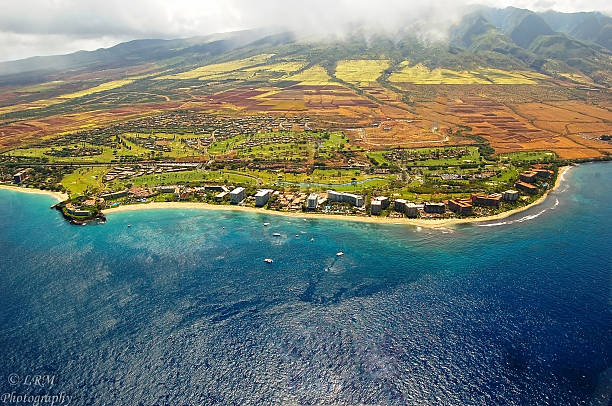
The West Maui coastline from Kapalua to Kaanapali is one of the island’s most rewarding stretches for beach lovers. Each beach has its own mood, and the best way to experience this coast is to treat it like a moving feast. Start in the north with a calm morning snorkel, follow the sun south for a swim or paddle, and finish with a sunset that turns the shoreline gold.
Kapalua Bay is the first stop, and for good reason. This protected crescent is calm, especially in the morning before the trade winds pick up. The reef is lively with butterflyfish, wrasses, and the occasional green sea turtle. Parking fills early, so arrive before nine if you want a space. Showers and restrooms make it easy to rinse off, but the real luxury is floating above the coral and watching the underwater world go about its day.
Just south, Napili Bay feels like a postcard come to life. The sand is soft, the water is gentle, and the curve of the bay keeps swimmers close to shore. Families love the easy entry and the chance to snorkel off the beach. Nearby shops and restaurants make it simple to grab a plate lunch or shave ice after a long swim. If you walk the Kapalua Coastal Trail, you can link several beaches and rocky viewpoints without getting in the car. The trail passes tide pools and lava formations, offering a different perspective on the coast than you get from the sand.
Oneloa Bay, sometimes called Ironwoods, is a wilder alternative. It is longer and less crowded, but the shorebreak can be strong. This is not the place to turn your back on the ocean. Strong swimmers and bodyboarders may enjoy the energy, while others are content to walk the beach and watch waves explode against the rocks. Further north, D.T. Fleming Beach Park offers wide sand, picnic tables, and lifeguards, but winter swells can make the water dangerous. It is a beautiful spot for a picnic and a stroll, even when swimming is not advised.
As you continue south through Kahana and Honokowai, the beaches become more local and low-key. Honokowai Beach Park is a good place for a quiet morning, with calm water and a neighborhood feel. Kahekili Beach Park, also known as Airport Beach, is one of West Maui’s best snorkeling spots. The reef is shallow and accessible, and the facilities include restrooms, showers, and grassy picnic areas. Because it sits north of the big resorts, it often feels less crowded than Kaanapali proper, yet the underwater scenery is as impressive.
Then comes Kaanapali Beach, the three-mile ribbon of sand that most people picture when they dream of Maui. Resorts, restaurants, and a beach walk line the shore, but the beach itself remains the star. Black Rock, or Puu Kekaa, at the north end is a snorkeling magnet and a favorite spot for sunset cliff dives. If you want more space, head toward Hanakao’o, also called Canoe Beach, where outrigger canoes launch and the mood is calmer. It is a fine place to paddle, watch the sunset, or sit and let the trade winds cool your skin.
Mornings are best for snorkeling and swimming because the wind often builds after lunch. Winter brings larger north and west swells, which can make even normally calm bays dangerous. Check ocean conditions, swim near a lifeguard when possible, and never turn your back on the waves. Use reef-safe sunscreen, keep a safe distance from turtles and other marine life, and take all trash with you. Parking is limited at the smaller bays, so carpooling or arriving early helps.
What makes West Maui so special is the variety. You can snorkel a protected reef, walk a coastal trail, watch a world-class sunset, and eat fresh fish within a single afternoon. Whether you are chasing family-friendly shallows, underwater adventure, or simply a patch of sand to call your own, the beaches from Kapalua to Kaanapali deliver. Move slowly, respect the ocean, and let the coast set your pace. That is when Maui begins to feel less like a destination and more like a place you never want to leave.