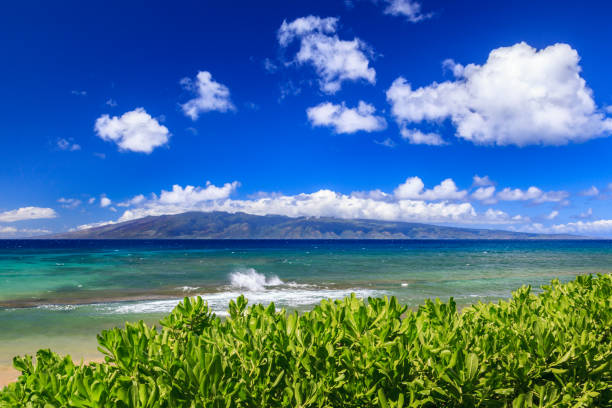
Maui often appears in daydreams as a postcard: waterfalls ribboning down green valleys, humpback whales breaching offshore, golden beaches framing turquoise water. Yet the island is not merely a backdrop. It is home to a diverse, resilient population whose daily rhythms are shaped by family, land, ocean, and a long history of migration and change. Understanding who lives on Maui, where they live, and what matters to them can transform a visit from a pretty vacation into a meaningful connection with a place that is very much alive.
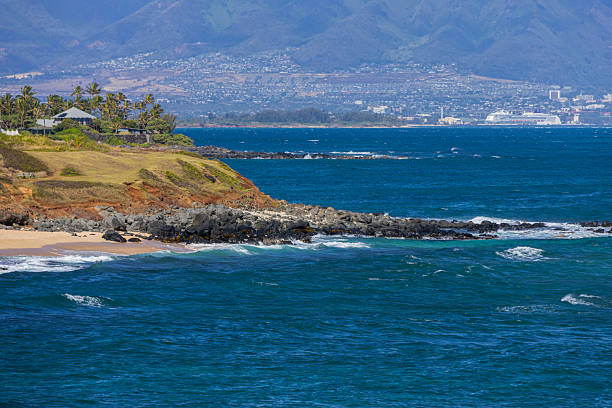
Maui is part of Maui County, which also includes Molokai, Lanai, and uninhabited Kahoolawe. The county’s population is roughly 165,000, with most residents living on Maui itself. The island’s population is not evenly spread. Central Maui, anchored by Kahului and Wailuku, serves as the commercial and government hub. Kahului has the island’s main airport and harbor, while Wailuku, the county seat, blends historic buildings with local businesses. South Maui, including Kihei, Wailea, and Makena, draws visitors and residents to sunny beaches and resort areas. West Maui, with Lahaina, Kaanapali, and Kapalua, has long been a center of tourism and Hawaiian history, though the devastating 2023 wildfire changed Lahaina profoundly and recovery continues. Upcountry communities like Makawao, Kula, and Pukalani sit cooler and higher, where farmers, ranchers, and families enjoy a slower pace. The North Shore, centered on Paia and Haiku, is known for windsurfing, surfing, and a bohemian, outdoorsy spirit. East Maui, including Hana, remains one of the most isolated and traditionally rooted areas, where ohana ties and subsistence practices like fishing and farming remain strong.
That mix of communities helps explain Maui’s demographics. The population includes Native Hawaiians and part-Native Hawaiians, who are the island’s original people and whose culture, language, and values remain central. There are also large Japanese, Filipino, Chinese, Portuguese, Korean, Puerto Rican, and Caucasian populations, along with growing Hispanic and Latino communities and many residents of mixed ancestry. This diversity is not accidental. In the nineteenth and twentieth centuries, plantation agriculture brought laborers from across Asia, Europe, and the Americas to work in sugar and pineapple fields. Their descendants formed the multicultural local culture now associated with Hawaii: plate lunches, shave ice, pidgin English, slack-key guitar, and a strong sense of community.
Island life on Maui is a study in contrasts. Many residents work in tourism, hospitality, retail, construction, health care, education, and agriculture. Others fish, farm, run small businesses, or hold multiple jobs to make ends meet. The cost of living is among the highest in the United States, driven by housing shortages, imported goods, and land values shaped in part by outside demand. For many local families, finding an affordable home near work is a daily struggle. Traffic on the main roads, especially around Kahului and along the highway to West Maui, can be heavy. These pressures are not just visitor inconveniences; they are central to residents’ lives and fuel ongoing conversations about sustainable tourism, water rights, and local control.
Yet Maui’s people are also known for generosity, humor, and resilience. The concept of ohana, or family, extends beyond blood to neighbors and community. Aloha is not a greeting card slogan but a way of treating others with respect, humility, and care. Malama, to care for and protect, applies to the land and ocean. You see it in beach cleanups, taro restoration, native forest planting, and efforts to revive Hawaiian language and voyaging traditions. You hear it in stories shared at family gatherings, in the way elders are honored, and in the pride people take in place names and genealogy.
For visitors, this matters. Traveling with awareness means remembering that Maui is someone’s home, not simply a playground. Support locally owned restaurants and shops. Treat the ocean and trails with respect. Drive with patience. Ask permission before entering private land or taking photos of people. Learn a few Hawaiian words and use them correctly. And recognize that after the Lahaina fire, many residents are grieving and rebuilding. The best way to honor Maui is to visit thoughtfully, spend where it helps, and leave the island better than you found it. When you understand the population and daily life behind the scenery, every sunrise, plate lunch, and conversation becomes richer. Maui’s beauty is unforgettable, but its people are the heart of the island.