West Maui and Central Maui may sit close together on the map, but their trails feel like different islands. One morning you can climb a cloud-soaked ridge above Waihee, and by afternoon you can wander a coastal lava field where the wind smells of salt and dry grass. The joy of hiking here is how quickly landscapes change, and how each trail reveals the island’s volcanic bones, water, and history.
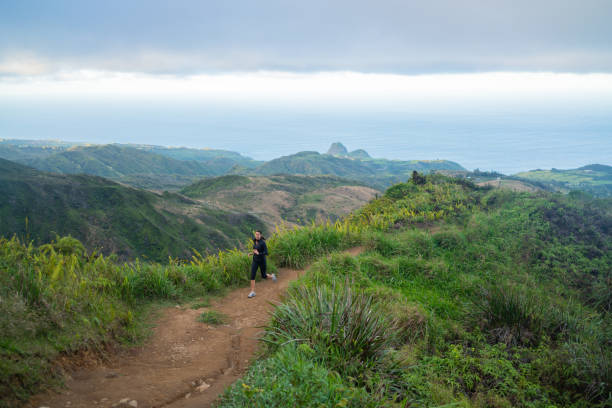
The Waihee Ridge Trail is the classic introduction to West Maui’s lush side. It begins near Waihee Valley, climbs through pasture and forest, and opens to green ridges tumbling toward the ocean. The trail is about five miles round trip with steady elevation gain, so it asks for effort, but the payoff is enormous. On clear mornings, you can see Kahului, the West Maui Mountains, and the islands of Lanai and Molokai. Go early. Clouds often build by mid-morning, and the trail can be muddy after rain. Sturdy shoes, water, and a wind layer are wise. The ridge is also a place to slow down: native birds call from the trees, and the valleys below hold a quiet far from the resort coast.
For a gentler Central Maui experience, Iao Valley State Monument is essential. The paved paths and lookout points make it accessible for families, yet the scenery is dramatic. The Iao Needle rises like a green sentinel, often wrapped in mist, and the stream below carries cool water from the mountains. This valley is deeply significant in Hawaiian history, the site of the Battle of Kepaniwai. Walk with respect, stay on marked paths, and take time at the interpretive signs. Nearby, Kepaniwai Heritage Gardens and the Hawaii Nature Center add context, making the valley a good half-day outing rather than a quick photo stop.
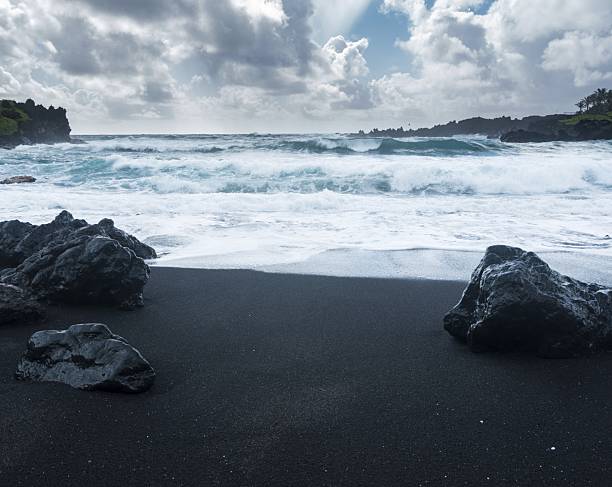
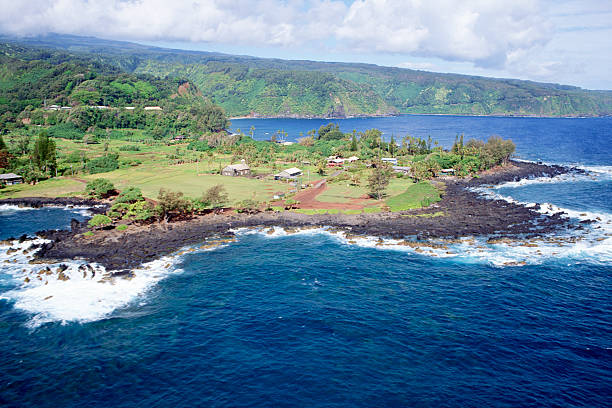
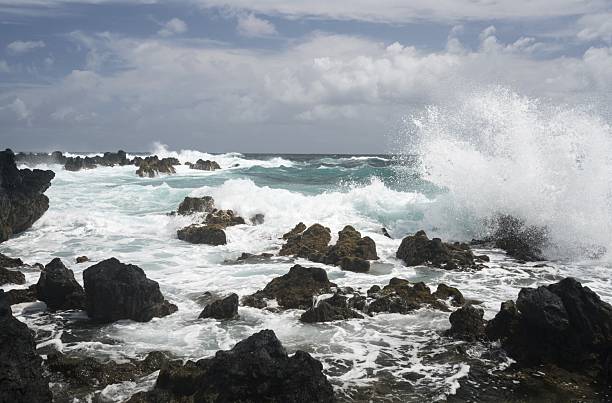
West Maui’s coastal trails offer a completely different mood. The Kapalua Coastal Trail is an easy walk that links Kapalua Bay with DT Fleming Beach, passing lava formations, tide pools, and sandy coves. It is perfect for sunrise or late afternoon, when the light turns the water glassy and the islands on the horizon soften. Further north, the Ohai Trail is a short loop through grassy, wind-shaped terrain with big views of the rugged coastline. Near Nakalele Point, the famous blowhole shoots spray into the air, but the area is slippery and should be admired from a safe distance. These trails are exposed, so hats, sunscreen, and plenty of water matter.
For hikers who want a longer challenge, the Mahana Ridge Trail climbs from Kapalua into the forested uplands toward Maunalei Arboretum. It is a serious route with elevation and changing weather, rewarding those who are prepared with cool native forest and panoramic views. The Lahaina Pali Trail, meanwhile, crosses the dry pali between West Maui and Central Maui, following an old route with wide ocean vistas. It is hot, exposed, and best done early with reliable footwear. These trails remind you that Maui’s beauty is not only in its beaches; it is also in the sharp contrast between arid lowlands and rain-fed peaks.
Central Maui itself offers history-filled walks around Wailuku and Kahului, where old plantation-era buildings, local cafes, and cultural sites sit close to trailheads. A morning hike can easily lead into a lunch of poke, plate lunch, or shave ice, followed by a drive to Iao Valley or the North Shore. The key is to plan around Maui’s microclimates. West Maui can be sunny while Central Maui is misty, and the mountains can make their own weather within an hour. Check conditions, respect private property and cultural sites, and never hike past a closed gate.
What makes West and Central Maui trails so memorable is their variety. You can stand on a ridge above the clouds, walk through a valley central to Hawaiian history, and end the day on a coastal path listening to waves against lava. Whether you are a frequent visitor or dreaming of your first trip, these trails offer a way to know Maui beyond the highway. Take your time, carry more water than you think you need, and let the island set the pace. The reward is a deeper sense of place, one step at a time.