Scuba diving around Maui feels like stepping into a living aquarium. The water is warm, visibility often stretches beyond one hundred feet, and the volcanic landscape continues below the surface in lava tubes, pinnacles, and coral gardens. For first-timers, that combination is both thrilling and forgiving. You do not need to be an expert swimmer or have a wall of certifications to begin. You only need curiosity, reasonable comfort in the water, and a willingness to listen to your instructor. Maui’s dive community is patient and professional, and many visitors try scuba here for the first time and leave hooked.
The easiest entry point is a Discover Scuba Diving experience. These programs usually begin with a short pool session where you learn to breathe through a regulator, clear your mask, and equalize pressure. Then you head into shallow, calm water with an instructor who stays close by. You might dive from a beach in Kihei or Lahaina, or from a boat if conditions allow. No certification is required, though you will answer a medical questionnaire and meet minimum age requirements. If you have asthma, heart conditions, or other health concerns, check with a doctor first. The goal is not to become an expert in one afternoon. It is to feel what it is like to float weightless, breathe underwater, and meet a few reef residents face to face.
If you decide to get certified, Maui is a wonderful classroom. Open water courses combine online learning with confined water practice and real ocean dives. Doing the bookwork before your trip means more time in the water. Certification takes a few days, but it opens the door to boat dives, night dives, and deeper explorations. Many dive shops in Kihei, Lahaina, and Maalaea keep groups small, which is ideal for new divers. Ask about instructor ratios, equipment quality, and whether they visit sites that match your comfort level.
Where should a beginner dive? Molokini Crater is the postcard favorite. The submerged volcanic rim creates a protected inner reef with clear water and plenty of fish. The back wall drops dramatically, but that is for advanced divers; beginners usually stay inside the crater or along gentler ledges. Another accessible choice is Olowalu, often called Turtle Reef, where green sea turtles graze in shallow water. Mala Pier offers a fascinating mix of pilings, reef, and marine life, though it can have current. Honolua Bay can be stunning on calm days, but it is not the place to learn in choppy conditions. A good dive operator will choose the site based on weather, swell, and your experience.
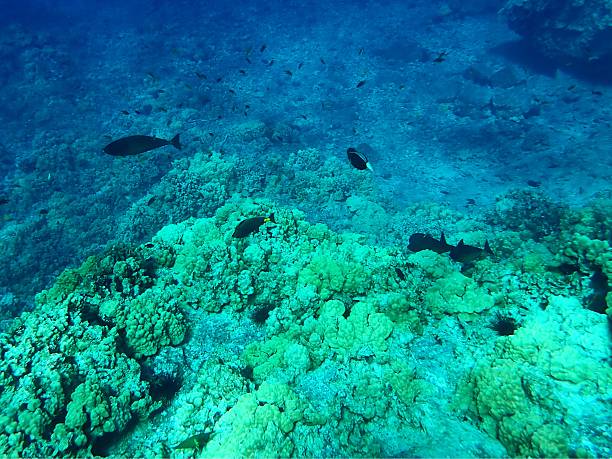
Underwater, expect a parade of colorful characters. Butterflyfish, tangs, parrotfish, and triggerfish dart through coral heads. You may see moray eels tucked into crevices, octopus changing shape, and whitetip reef sharks resting on the sand. Spinner dolphins sometimes pass by, and from December to April, humpback whales sing in the distance. Their songs can feel like part of the reef itself. None of this requires you to chase or touch anything. The best dives happen when you hover quietly and let the ocean come to you.
A few practical habits make first dives better. Book a morning trip when winds and swell are usually calmer. Hydrate before and after, avoid heavy alcohol the night before, and eat a light breakfast. Use reef-safe sunscreen and wear a rash guard. Learn to equalize early and often, before you feel pressure. If you feel panicked, signal your instructor and breathe slowly. Seasickness can affect even confident swimmers, so take medication if you know you are prone. Never touch coral, chase wildlife, or stand on the reef. Buoyancy control is a skill you build over time, and every dive makes you more relaxed.
Maui scuba diving is not just another activity. It is a change in perspective. The island you see from the road is only half the story. Below the waves, Maui becomes quiet, blue, and full of surprises. For a first-timer, that first breath underwater can be nervous, then magical, then impossible to forget. You may arrive dreaming of a vacation and leave dreaming of your next dive.