Each winter, something remarkable happens in the warm waters surrounding Maui. Humpback whales arrive after a long journey from their summer feeding grounds in Alaska, transforming the Auau Channel and other nearby waters into one of the most spectacular wildlife viewing areas on the planet. For visitors and residents alike, whale watching season is not just an activity; it is a seasonal ritual that reminds everyone how connected Maui is to the vast Pacific.
The season generally runs from November through May, though the heart falls between January and March. During these months, thousands of humpback whales migrate to Hawaii to mate, give birth, and nurse their calves. The shallow, protected channels between Maui, Lanai, Molokai, and Kahoolawe offer ideal conditions. Calves are born without the thick blubber they will need in colder waters, so the warm Hawaiian ocean helps them grow stronger before the long journey north. Mothers and calves are often seen close to shore, while competitive pods of males chase and breach in dramatic displays.
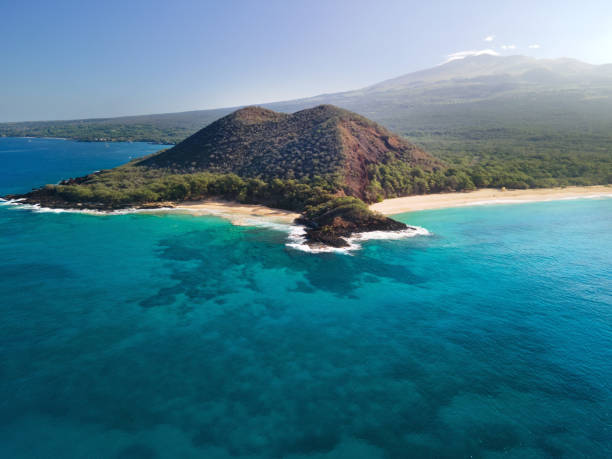
One of the joys of whale watching on Maui is that you do not always need a boat. The island’s western and southern shores provide excellent vantage points. From Ka’anapali, Lahaina, Kihei, Wailea, and Makena, you can often spot spouts, tails, and full breaches with just binoculars and patience. Early morning tends to offer calmer water and softer light, while late afternoon can bring dramatic backdrops. The Auau Channel, between Maui and Lanai, is a favorite corridor, and many shoreline lookouts give you a front-row seat to the action.
That said, a dedicated whale watching cruise can bring you closer to the experience in a responsible way. Boats depart from Lahaina Harbor, Maalaea Harbor, and other points around the island. Some tours focus on small groups and quiet engines, while others offer larger decks, naturalist guides, and hydrophones to listen to whale songs. The best captains read behavioral cues and keep a respectful distance. Federal regulations protect humpback whales, and responsible operators follow approach limits and time restrictions. If a whale chooses to approach the boat, that is a gift, not something to chase.
Timing your trip matters, but whale sightings are never guaranteed. If your dream is to see a breach, breaching is more common during certain times of day and in certain social contexts, but it remains unpredictable. The good news is that during peak season, the odds are strong. You might see a mother and calf gliding slowly near the surface, a male singing a complex song that travels for miles, or a group of whales slapping their tails and pectoral fins. Each encounter feels different, and that unpredictability is part of the magic.
For the best experience, dress in layers, bring sunscreen, sunglasses, a hat, and motion sickness remedies if you are prone to seasickness. Polarized sunglasses help cut glare so you can spot spouts more easily. A camera with a zoom lens is useful, but do not spend the entire trip looking through a viewfinder. Sometimes the most memorable moments happen when you simply watch, listen, and breathe. Keep your voice low and your movements calm, especially when whales are nearby.
Whale watching season also overlaps with other ocean adventures. You can combine a morning whale watch with snorkeling at Molokini, kayaking along the coast, or a sunset sail. Just remember that the ocean is a shared home. Give whales space, never attempt to swim with them unless on a permitted tour, and follow the guidance of trained crew members. Keeping a safe distance protects both people and animals.
For travelers who dream of Maui, whale season adds another layer of wonder to an already beautiful island. It is a time when the horizon seems alive, when a casual glance from the beach can turn into a story you tell for years. Whether you watch from a rocky point in Kihei, a catamaran off Lahaina, or a quiet cove in Makena, the humpbacks offer a reminder of how extraordinary the natural world can be. Plan ahead, book early for peak months, and leave room for surprise. The whales keep their own schedule, and that is exactly what makes an encounter on Maui so unforgettable.