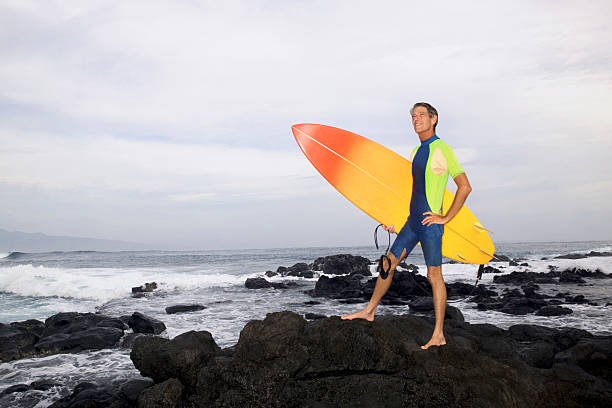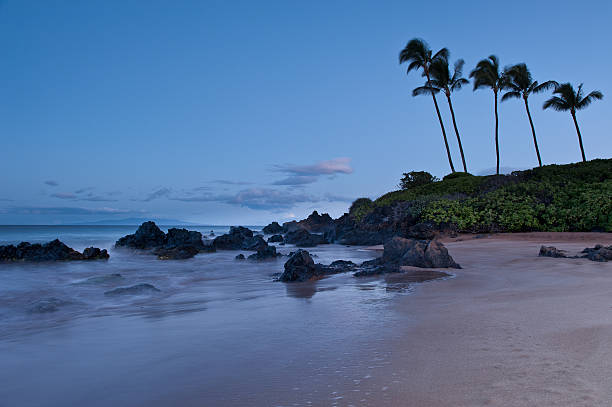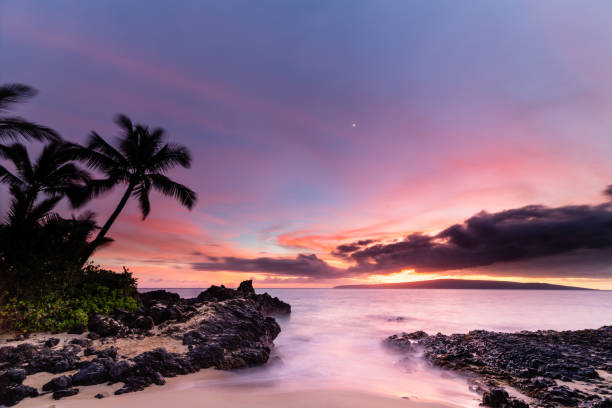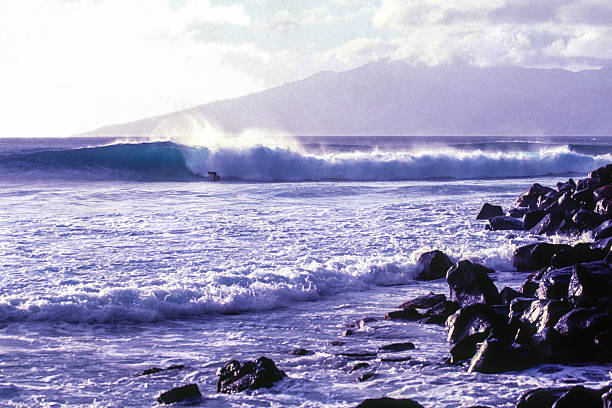
Maui’s coastline faces every direction, which means there is almost always a wave breaking somewhere. The trick is knowing which shore is working, what size to expect, and whether your skill level matches the day. The island’s surf calendar is split between powerful North Pacific swells in winter and gentle South Pacific swells in summer, with spring and fall acting as transition seasons that can deliver the best of both worlds. Understanding that rhythm turns a lucky vacation into a surf trip with real potential.
Winter, roughly November through March, belongs to Maui’s North Shore. Storms far across the North Pacific send long-period northwest swells that light up reefs and point breaks from Pe’ahi to Ho’okipa. Pe’ahi, often called Jaws, is a tow-in and big-wave arena for elite surfers only; it is not a place to paddle out casually. Ho’okipa Beach Park is the island’s most famous performance wave, a fast, hollow reef break that draws skilled shortboarders, windsurfers, and spectators. Lanes and Kuau offer challenging rights and lefts for advanced surfers, while Kanaha can be more forgiving on smaller days and is a better choice for confident intermediates. The West Side also shines in winter. Honolua Bay is a world-class right-hand point that can be magical when the swell and wind align, but it is crowded, rocky, and best left to experienced surfers who respect the lineup. Smaller winter days at Launiupoko, Puamana, and Ukumehame are friendlier for longboarders and beginners, especially when the North Shore is too large.
Spring, from April into May, is a mixed bag in the best way. North swells become less frequent, while south swells begin to arrive. The South Shore around Kihei and Wailea starts to wake up, offering mellow waves at Cove Park, Kalama Park, and Charley Young Beach. These are ideal for longboards, funboards, and anyone learning to read a lineup. The West Side can still have small, clean waves at Launiupoko and Olowalu, and the North Shore may offer leftover fun if the trade winds stay light. Spring is also a smart time to book a lesson, because the waves are often smaller and the crowds thinner than in deep summer or winter.
Summer, June through September, flips the script. The South Shore becomes the main event as Southern Hemisphere storms send swell toward Maui. Kihei, Wailea, Makena, and La Perouse come alive. Cove Park is a classic beginner and longboard zone, while Kalama Park offers gentle rollers for noseriding and cruising. More advanced surfers can find punchier waves at spots like The Dumps or select Makena reefs when a solid south swell fills in. Lahaina side breaks such as Launiupoko, Puamana, and Ukumehame also catch summer south swells, often with warm water and a relaxed, family-friendly vibe. The North Shore usually becomes smaller and windier, better for windsurfing and kitesurfing than for pure surfing, though early morning sessions at Ho’okipa can still be fun for experts. Summer is the season for dawn patrols, because trade winds often pick up by late morning and chop the surface.
Fall, September through October, is a favorite for surfers who want variety. South swells can linger, especially early in the season, while the first north swells begin to show up. Hurricane swells from the eastern Pacific can also send unexpected pulses, sometimes closing out beaches or creating dangerous currents. On good days, you might surf a gentle South Shore longboard wave in the morning and check a rising North Shore break by afternoon. Honolua Bay may start to show its winter form, and the West Side can offer clean, uncrowded peaks. Fall water is still warm, the crowds are lighter than summer, and the island feels a little more local.
Wherever you surf, check the daily forecast, tide, wind, and swell direction before you paddle out. Maui’s waves break over shallow reef, so booties, a good leash, and respect for the ocean matter. Never drop in on a local surfer, and if you are unsure, watch from the beach or hire a guide. The island rewards patience. Learn the seasons, match the break to your ability, and you will understand why Maui surfing is not just a sport but a way of life.