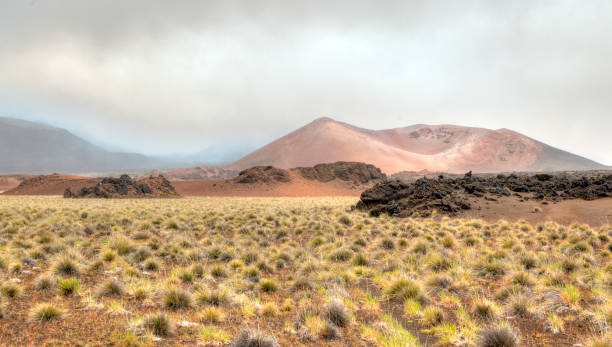
Haleakala Crater is not the kind of place you simply look at from a viewpoint and then drive away from. At more than 10,000 feet, the summit air is thin and cool, often scented with eucalyptus or rain, and the light changes by the minute. From the rim, the crater opens into a vast basin of cinder cones, lava flows, and sweeping slopes in shades of rust, charcoal, ochre, and ash. Hiking into it feels less like a tropical walk and more like stepping onto another planet. That otherworldly beauty is exactly why the crater trails stay with people long after their Maui vacation ends.
The most famous route into the basin is Sliding Sands Trail, also known as Keonehe‘ehe‘e. It begins near the Haleakala Visitor Center and drops about 2,500 feet over roughly four miles to the crater floor. The name is not poetic exaggeration. Much of the trail is loose, fine volcanic cinder, so every downward step slides a little, and every return step asks more of your legs and lungs. The reward is immediate: broad views of cinder cones with names like Ka Lu‘u o ka ‘O‘o, fields of black and red rock, and silverswords gleaming like small metallic stars. These rare plants can live for decades and bloom once before dying, a reminder that life here is tough, slow, and extraordinary.
Altitude is the invisible companion on any Haleakala crater hike. Even fit hikers may feel breathless, headachy, or dizzy. The smart approach is to go slowly, drink more water than you think you need, eat snacks, and turn around before exhaustion sets in. Weather can shift from bright sun to chilly mist, strong wind, and pelting rain in minutes. A warm layer, windproof shell, hat, sunglasses, sunscreen, and sturdy shoes are not extras; they are essentials. Trekking poles help on the loose descent and the long climb out, especially when your legs are tired and the sun is high.
For hikers with more time and preparation, the crater opens into longer routes. Halemau‘u Trail enters from the northwest and descends through a dramatic section of switchbacks before reaching the crater floor. By linking Sliding Sands and Halemau‘u, experienced hikers can cross a remarkable stretch of wilderness, passing grassy paliku, volcanic cliffs, and quiet campsites. Overnight trips require a permit and careful planning. There are cabins and campsites in the crater, but they are not luxury lodges. They are simple shelters in a remote, exposed environment where every ounce of food, water, and warm clothing matters. Day hikers can still taste the crater by walking down Sliding Sands for an hour or two, then climbing back to the rim. That short out-and-back is often enough to understand the scale and silence of the place.
The crater is also a place of Hawaiian cultural significance. Haleakala means “house of the sun,” and its summit and slopes are part of a sacred landscape. Visitors should treat it with respect. Stay on marked trails, avoid building cairns, do not remove rocks or plants, and pack out everything you bring in. The native wildlife is fragile. Nene geese may appear near trails or grassy areas, and they should never be fed or chased. Silverswords may look sturdy, but they are rare and easily damaged by footsteps. Giving these inhabitants space is part of being a good guest in Maui.
Perhaps the best way to hike Haleakala Crater is with curiosity rather than a checklist. Start early, because afternoon clouds often fill the basin and hide the views. Watch how the colors deepen when clouds pass. Listen for wind moving across the cinder. Notice how your breathing changes with elevation, and let that slow you down. The climb back to the rim can feel endless, but it is also a chance to see the crater from a new angle, with each switchback revealing more of the strange, beautiful country below. Whether you go a mile or a full day, the crater does not need to be conquered. It needs to be experienced. And once you have stood among its silent cones and wide skies, Maui will feel even more magical than before.