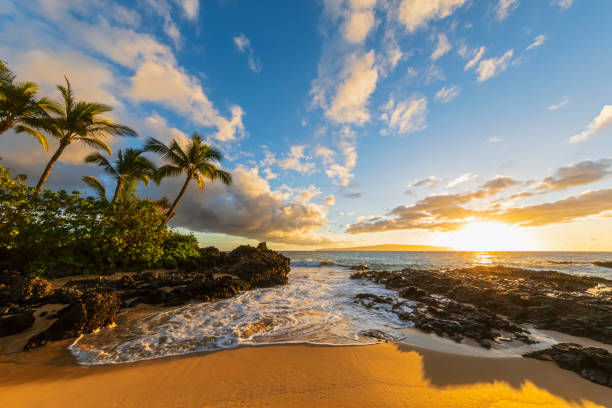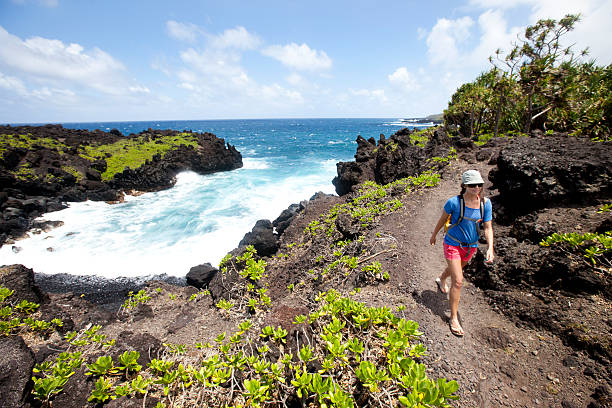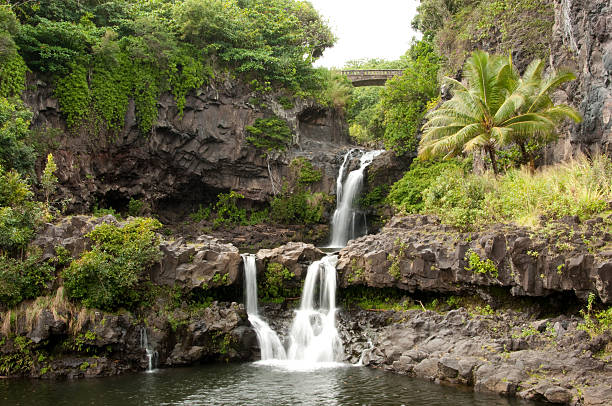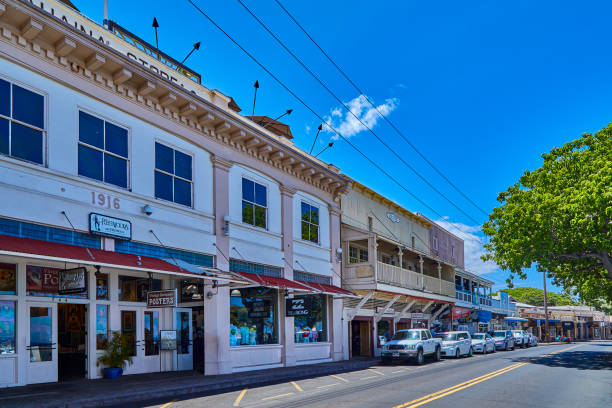
Maui is more than beaches, rainforests, and scenic drives. It is a living culture shaped by generations of Hawaiian knowledge, art, and spiritual practice. Hawaiian traditions are not a performance staged for visitors; they are a way of life rooted in relationship between people, land, sea, and ancestors. For travelers, understanding them can transform a trip from a checklist of sights into a meaningful connection with the island and its people.
At the heart of Hawaiian culture are values that guide daily life. Aloha is often translated as love, but it also means compassion, mutual respect, and warmth. ʻOhana means family, extending beyond blood to community and chosen relationships. Kuleana is responsibility, the idea that each person has a duty to care for what has been entrusted to them. Mālama ʻāina means to care for the land, not as a resource but as an ancestor and teacher. Hoʻokipa is hospitality, the generous welcome offered to guests. The best response is respect, patience, and humility.
History gives these values context. Polynesian voyagers navigated by stars, winds, and ocean swells to reach Hawaiʻi centuries before European contact. They built societies with ahupuaʻa, land divisions that ran from mountain to sea, allowing communities to share water, forest, and reef resources. Aliʻi, or chiefs, and kahuna, or priests, guided communities under a system of kapu, or sacred rules. After Western contact in 1778, disease, land dispossession, missionary influence, and the 1893 overthrow of the Hawaiian Kingdom brought profound change. Yet Hawaiian culture was never lost. Language, hula, voyaging, farming, and carving have all experienced powerful revivals. Knowing this story makes every heiau, fishpond, and valley more meaningful.
Hula is one of the clearest expressions of that survival. It is not simply dance; it is archive, prayer, genealogy, and celebration. Chants, or oli, and songs, or mele, carry stories across generations. If you attend a lūʻau, choose one that honors Hawaiian culture rather than reducing it to a buffet. At a hula festival, watch with attention and avoid walking in front of performers. A lei is a gift of aloha; accept it with gratitude and wear it respectfully.
Sacred places require special care. Heiau, petroglyph fields, burial caves, and ancient fishponds are not photo props. Do not climb on heiau walls, stack rocks, or remove sand, coral, or stones. Respect kapu signs and posted boundaries. If a place feels off-limits, it likely is. Ask permission before entering private or cultural areas, and stay on marked trails. In the ocean, keep a respectful distance from sea turtles, monk seals, and dolphins. Use reef-safe sunscreen, never touch coral, and give wildlife room to move.
Food and drink also tell the story of the islands. Kalo, or taro, is honored in Hawaiian genealogy as an elder sibling, and poi remains a staple with deep cultural importance. Laulau, kalua pig, poke, and haupia appear at gatherings, while local food reflects the many cultures that arrived through plantation history, including Japanese, Filipino, Portuguese, Chinese, and Puerto Rican influences. Support farmers markets, family-owned restaurants, and food trucks. In the evening, seek out slack-key guitar, ukulele, and falsetto singing. Maui nightlife is often quiet, but live music can carry the stories of the place.
A culturally mindful trip takes planning. Choose locally owned accommodations when possible, and treat workers and residents with kindness. Consider volunteering with a loʻi kalo restoration project, native forest planting, or fishpond work. Take a hula or ukulele lesson, visit a museum, or attend a talk on Hawaiian history. Remember that tourism affects housing, water, and traffic. Drive with aloha, let local drivers pass, and never block a road or driveway. Pack out your trash and leave every beach, trail, and town better than you found it.
The richest Maui journey is not about collecting attractions. It is about relationship. When you say aloha, mean it. When you learn a story, carry it with care. The Hawaiian value of mālama calls us to care for land, sea, and people together. Travel with kuleana, and you may arrive as a visitor, leave as a friend, and return as a steward.