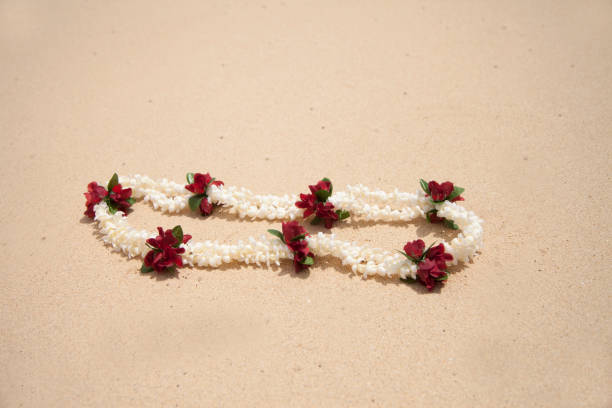
The sound of a conch shell cut through the warm evening air, its mournful call echoing across the manicured grounds of a beachfront resort. Guests, adorned with fresh flower leis, turn their attention toward the distant torchlight flickering against the backdrop of a Pacific sunset. This scene is replayed nightly across the Valley Isle, serving as a quintessential part of the Maui experience. For many visitors, attending a luau is a bucket-list item, a chance to partake in a cultural ritual that has evolved from a sacred ancient practice into a dazzling display of entertainment and culinary excess. While the commercial luau of today is a far cry from its 19th-century origins, it remains a vital vessel for preserving and perpetuating Hawaiian culture, music, and cuisine in an accessible format for the modern traveler.
To truly appreciate the spectacle, one must understand the roots of the tradition. The word luau itself refers to the taro leaf, a staple of the Hawaiian diet, and was originally used to describe a specific dish served at a feast, eventually becoming synonymous with the event itself. In ancient Hawaii, these gatherings, known as ahaaina, were solemn affairs governed by a strict kapu system of laws. Men and women ate separately, and certain foods were reserved exclusively for the ali’i, or chiefs. It was not until 1819, when King Kamehameha II symbolically ate with women and commoners, that these rigid social restrictions were abolished. This pivotal moment paved the way for the communal, celebratory feasts we recognize today. Early luaus were massive undertakings, often lasting for days, featuring hula, chanting, and an abundance of food prepared in underground ovens called imu.
The culinary heart of any authentic luau is the imu, an earthen oven where a whole pig, seasoned and wrapped in banana leaves, is slow-roasted over hot rocks for hours. The process is as much a ceremony as it is a cooking method. The uncovering of the imu is often a highlight of the evening, offering guests a glimpse into traditional food preparation that has remained largely unchanged for centuries. The result is kalua pork, meat so tender it shreds at the touch of a fork, infused with a smoky, earthy flavor that defines the palate of the islands. This is accompanied by a spread of other Hawaiian staples, including poi, the taro-based staple food, lomi lomi salmon, and haupia, a sweet coconut dessert. While some resort luaus have adapted the menu to suit broader tourist palates, the best experiences balance innovation with tradition, ensuring that the flavors of old Hawaii remain central to the meal.
However, the modern Maui luau is not merely a dinner; it is a theatrical production that traces the history of the islands through song and dance. The entertainment typically follows a narrative arc, beginning with the migration of Polynesians to Hawaii and continuing through the era of the monarchy. The hula, often misunderstood by outsiders as merely a form of dance, is a profound storytelling medium. Every hand gesture and hip sway carries meaning, narrating myths, legends, and historical events. The performances often culminate in a breathtaking fire knife dance, a Samoan tradition that has been adopted by many Hawaiian shows. This display of agility and bravery involves twirling a sharp blade tipped with fire, creating mesmerizing patterns in the dark—a fitting finale to a night of high energy and emotion.
For those planning a trip, the options range from intimate, family-run gatherings to lavish productions at major resorts. Smaller luaus offer a more personal atmosphere, often allowing for deeper conversations with performers and a more relaxed pace. Larger productions, on the other hand, provide unmatched spectacle, with grand stages, orchestras, and buffet lines that seem to stretch for miles. Regardless of the size, the spirit of aloha remains the common thread. It is a spirit of hospitality, warmth, and respect that ties the evening together.
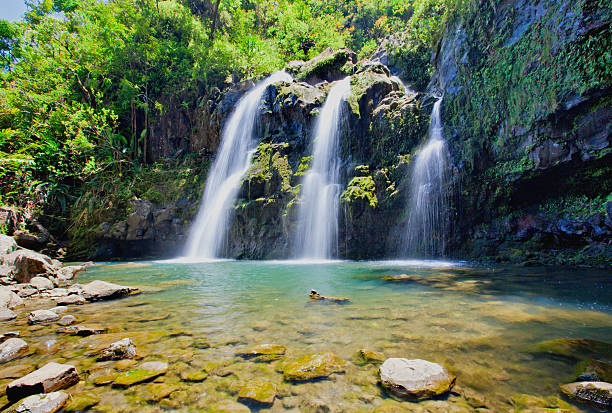
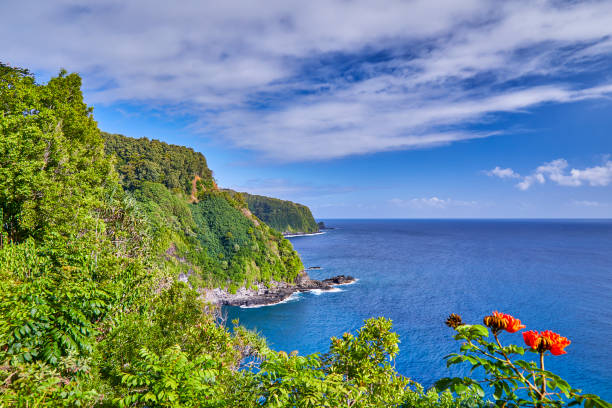
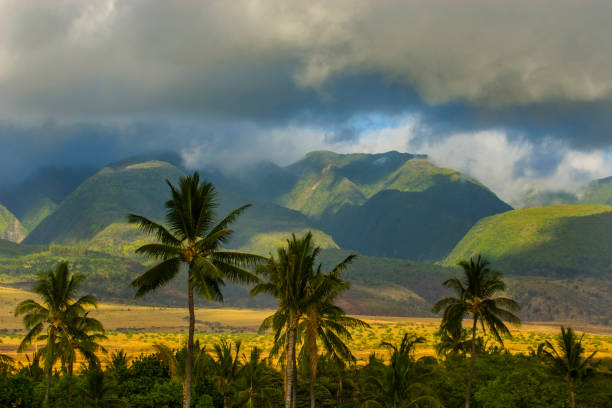
Participating in a luau is more than just a night out; it is an opportunity to connect with the soul of Maui. It offers a chance to taste the island’s history, hear its stories, and witness the enduring pride of its people. As the fire dancers spin their final circles and the last notes of the steel guitar fade into the night, guests leave with a fuller understanding of this special place. It is a celebration of life, community, and culture—a reminder that the beauty of Maui extends far beyond its stunning landscapes and into the vibrant traditions of its people.