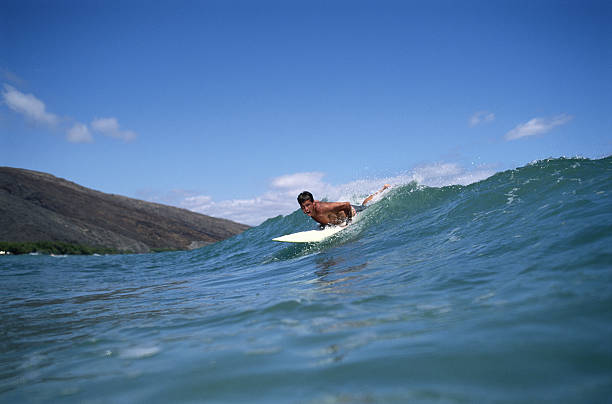
Maui has a way of making surfing feel within reach. The water is warm, the scenery is stunning, and there are waves for almost every skill level if you know where to look. For beginners, the key is not paddling out at the biggest, most famous break. It is choosing a gentle, sandy-bottomed spot on the right day and learning from someone who knows the island’s rhythms. With a little planning, your first surf session can become a highlight of your trip.
Maui’s surf changes with the seasons and shores. In winter, the north shore can produce world-class waves meant for experts. Places like Ho‘okipa and Pe‘ahi are not beginner territory. The south and west shores are more forgiving, especially in summer when south swells arrive. Even then, conditions shift daily. A calm morning can turn choppy by afternoon as trade winds build. Beginners should aim for protected coves, gentle rollers, and sandy bottoms rather than shallow reefs.
Some of Maui’s most beginner-friendly spots are along the south and west coasts. In Kihei, Cove Beach Park and Kalama Beach Park often offer small, playful waves. In Lahaina, Launiupoko Beach Park is a longboarder’s dream with a slow, mellow wave that gives you time to stand up. On the west side, Ka‘anapali Beach has surf schools and gentle conditions near Black Rock on calm days. Check the surf report and ask a local shop or instructor before paddling out.
Booking a lesson is the smartest first step. A good instructor teaches ocean safety, how to read waves, how to paddle, and how to pop up without losing balance. They will also explain surf etiquette, which matters deeply in Hawaii. Group lessons are social and affordable, while private lessons offer more attention and can be ideal for nervous beginners or children. Most lessons last about two hours and include a soft-top board, a rash guard, and sometimes reef-safe sunscreen. Ask about the student-to-instructor ratio and where they will take you. The best schools match the lesson to the day’s conditions.
On the beach, you will practice lying on the board, paddling, and pushing up to your feet. In the water, you may start in waist-deep surf where the instructor helps position you and gives a gentle push into the wave. You will probably swallow saltwater, fall more than you stand, and laugh at yourself. That is part of it. Soft-top boards are buoyant and forgiving, which makes them perfect for learning. One important habit is falling safely. Try to fall flat or roll away from your board, and cover your head with your arms. Never ditch your board toward another surfer.
Surfing in Hawaii is not just a sport; it is a cultural practice with deep roots. The ocean is a place of respect. In the lineup, wait your turn, do not drop in on someone else’s wave, and avoid paddling through the middle of the break. If a local surfer gives advice, listen. If you are unsure, ask. Support local surf shops and instructors, and treat the reef like the living thing it is. Use reef-safe sunscreen, never stand on coral, and take any trash with you. A little humility and aloha go a long way.
Practical planning makes the day smoother. Surf early, when winds are light and the ocean is often glassy. Bring water, a towel, and a waterproof bag for keys. Leave valuables at your hotel. Make sure you are a confident swimmer, and never surf alone if you can avoid it. After your lesson, reward yourself with breakfast in Kihei or Lahaina and watch the waves while your muscles recover. You will see surfers of all ages, from groms to grandparents, sharing the same stoke.
Your first wave may last only a few seconds, but it can change the way you feel about the ocean. Maui offers the perfect classroom: warm water, skilled teachers, and waves that invite you to try again. Take a lesson, respect the culture, and give yourself permission to be a beginner. By the end of the day, you may not be a surfer yet, but you will understand why so many people build their lives around the search for the next wave.