Maui’s beauty is not a backdrop. It is a living place of communities, ancestral landscapes, reefs, forests, and coasts that existed long before any visitor arrived. Traveling here well means accepting that your presence has an impact, and choosing to make it lighter and kinder. Sustainable and respectful travel is not about perfection. It is about attention: noticing where you are, who shares the place with you, and what you leave behind. Plan time not only for beaches and sunsets but for learning, listening, and giving back.
Begin with culture and history. These islands are the homeland of Kānaka Maoli, Native Hawaiians. The land was organized into ahupuaʻa, watershed-based districts connecting mountain, forest, stream, shore, and ocean. That stewardship is a model for visitors. When you encounter a heiau, petroglyph, fishpond, or old stone wall, treat it as sacred and fragile. Do not climb on ruins, move stones, or leave offerings unless invited. Learn a few Hawaiian words: aloha, mahalo, kuleana. Ask before photographing people, especially children and ceremonies. Hula is not just entertainment; it is story, genealogy, and discipline. Watch with humility.
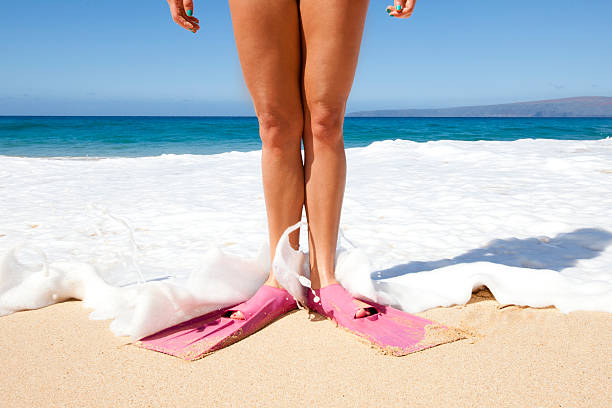
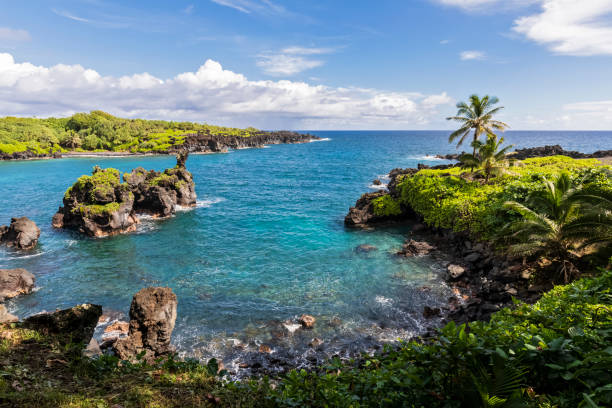
The ocean deserves the same care. Maui’s reefs are alive, slow-growing, and easily damaged. Use mineral-based, reef-safe sunscreen, but cover up with a rash guard and shade too. Never stand on coral, touch it, or chase marine life. Keep a respectful distance from honu, Hawaiian monk seals, dolphins, and humpback whales. Give seals and turtles room to rest. During whale season, follow approach rules and choose operators that prioritize wildlife. When snorkeling, float, observe, and leave the ocean cleaner than you found it.
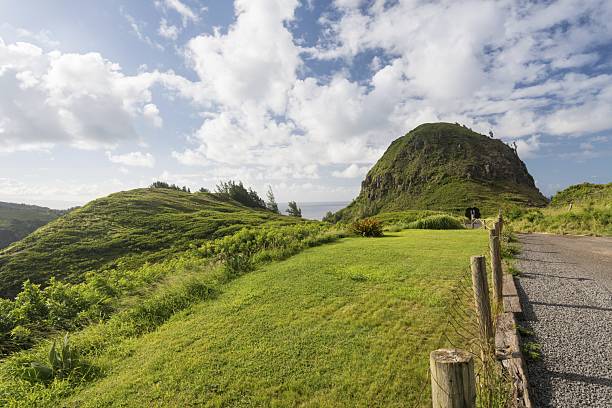
On land, stay on trails. Cutting switchbacks causes erosion that can take years to heal. Clean your shoes and gear before hiking to help prevent the spread of Rapid ʻŌhiʻa Death and other invasive threats. Check weather and flash flood warnings; Hawaiian streams can rise quickly. Carry water, pack out everything, and avoid taking rocks, sand, plants, or coral. Respect closed areas, private property, and neighborhood access. A trail crossing private land exists because of generosity. Do not reward that generosity with noise, trash, or trespassing.
The Road to Hana and other scenic drives reward patience. Pull over only where safe, use pullouts, and let local drivers pass. Do not stop in the road for a photo. Support roadside stands and family businesses, but never park illegally or block driveways. If a place feels overcrowded, move on. Maui has many beautiful places, and spreading your visit helps prevent one beach or trail from being loved to death. Reservations, shuttles, and early starts reduce congestion.
Your dollars are a form of influence. Choose locally owned restaurants, tour companies, farms, and accommodations. Buy from Native Hawaiian-owned businesses when possible. Be mindful that vacation rentals and overtourism affect housing and water resources for residents. Consider volunteering with a beach cleanup, loʻi restoration, or native plant project. In the wake of the Lahaina wildfires, respectful travel means supporting recovery without treating tragedy as a tourist attraction. Visit with compassion, avoid burn areas, and ask how you can help. A resilient Maui needs visitors who see the island as a community, not only a destination.
Daily habits matter. Bring a reusable water bottle, coffee cup, and shopping bag. Conserve water and energy, especially in dry seasons. Reduce single-use plastics that can blow into the ocean. Keep voices low in residential areas and at sacred sites. Drive gently, hike gently, and swim gently. Choose off-peak travel when you can, and respect capacity limits at parks and beaches. These choices may feel small, but multiplied by thousands of travelers, they protect the very things people come to experience.
Sustainable, respectful travel is not about guilt. It is about gratitude in action. Maui gives generously: warm water, fragrant flowers, dramatic valleys, and a culture that has survived and flourished despite immense change. The best way to say thank you is to tread lightly, learn deeply, and leave the island better than you found it. Then you return home not just with photos, but with a relationship to a place that asked something of you, and you answered with aloha.