Central Maui is where most journeys begin, whether you realize it or not. The airport at Kahului is the island’s main gateway, and the broad isthmus between the West Maui Mountains and Haleakala holds the towns, harbors, and roads that keep Maui moving. Yet this region is more than a practical stopover. It is a place of deep Hawaiian history, local eateries, family-run shops, and views that remind you just how dramatic Maui can be. If you give Central Maui a little time, you’ll discover the island’s everyday rhythm and a side of Maui that many visitors miss.
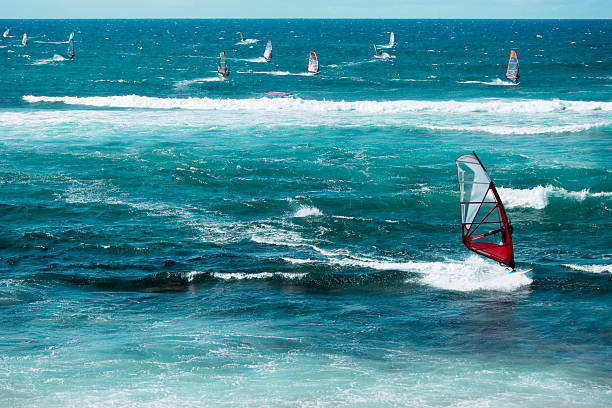
Kahului is Central Maui’s busy hub. It’s home to the airport, the main commercial harbor, and the big-box stores and shopping centers where residents and travelers stock up for beach days, road trips, and condo stays. Queen Kaahumanu Center and Maui Mall offer an easy blend of national brands and local favorites, while nearby Costco and grocery stores are ideal for loading a cooler before heading to Hana or Kaanapali. But Kahului is not just errands. Kanaha Beach Park, just past the airport, is a favorite for windsurfers, kiteboarders, and anyone who enjoys watching the trade winds carve whitecaps across the bay. The coastal path and open lawns make it a fine place for an early walk or a sunset picnic.
Wailuku, just a few minutes inland, feels like a different world. This historic town sits at the mouth of Iao Valley and was once the political center of Maui. Its streets are lined with plantation-era buildings, old churches, and locally owned businesses that give it a warm, lived-in character. Market Street is the heart of town, where you can browse small shops, sip coffee, and sample plate lunches that reflect Maui’s mix of Hawaiian, Japanese, Filipino, Portuguese, and Chinese influences. Kaahumanu Church, with its simple white steeple, is a peaceful landmark, while the Bailey House Museum preserves artifacts and stories from the island’s royal and missionary past. On First Fridays, Wailuku often comes alive with art, music, and food, offering a friendly glimpse of local community life.
The most famous natural attraction in Central Maui is Iao Valley State Monument. Towering green walls, misty ridges, and the iconic Iao Needle create a scene that feels almost otherworldly. The valley is not only beautiful; it is historically significant as the site of the 1790 Battle of Kepaniwai, a turning point in Kamehameha I’s unification of the Hawaiian Islands. A short paved walk leads to viewpoints where you can feel the cool air and hear the stream below. Nearby Kepaniwai Park honors Maui’s multicultural heritage with pavilions and gardens representing different ethnic groups. It’s a lovely spot for a quiet stroll, a family picnic, or a moment of reflection before returning to town.
Central Maui also tells the story of sugar and plantation life. The Alexander & Baldwin Sugar Museum, located near Puunene, explains how sugarcane shaped the island’s economy, immigration, and landscape. Just a short drive away, the Maui Tropical Plantation offers a gentler introduction to agriculture, with tram tours, gardens, and a restaurant set against the West Maui Mountains. These stops help connect the lush scenery you see today with the labor and traditions that built modern Maui. For travelers interested in history and culture, they add depth to a beach-focused trip.
As a base, Central Maui is hard to beat. You’re close to the airport, the harbor, and the main highways, making it easy to explore both sides of the island. Paia and the road to Hana are just east, while Lahaina and Kaanapali lie west. Upcountry, with its farms, lavender, and panoramic views, is a short drive up Haleakala. You can spend the morning in Iao Valley, eat lunch in Wailuku, shop in Kahului, and still be at a beach by afternoon. That flexibility is why many frequent visitors choose Central Maui for at least part of their stay.
To experience Central Maui well, slow down. Order a local plate lunch, talk with shop owners, and take the back streets of Wailuku instead of only the highway. Visit Iao Valley early before the clouds gather, and save time for Kahului’s waterfront. This region may not have the resort polish of Wailea or the postcard sunsets of Kaanapali, but it has something equally valuable: authenticity, convenience, and a clear view of Maui’s daily life. Give it a day or two, and you may find that the heart of your Maui trip was beating in Central Maui all along.