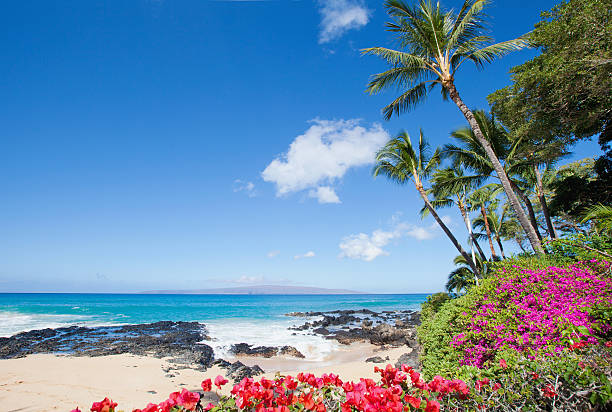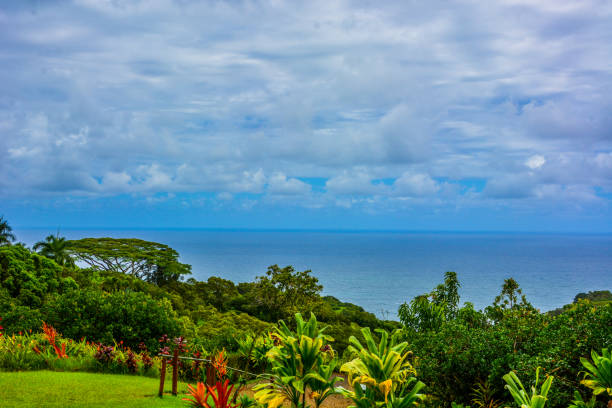
Maui welcomes visitors with open arms, but the best travelers arrive with curiosity, patience, and humility. The island is not simply a collection of beaches, resorts, and scenic drives. It is a living home for Native Hawaiians, local families, endangered species, and fragile ecosystems. Sustainable and respectful travel begins before you even land. Learn a little Hawaiian history, from Polynesian voyagers and the ahupuaʻa system of land and water stewardship to the Hawaiian Kingdom, the 1893 overthrow, and the cultural renaissance that continues today. Understanding that history changes what you see. Aloha is not a marketing slogan. It is a way of being that includes love, reciprocity, and responsibility. When you travel with aloha, you accept that you are a guest.
Packing is the first practical act of care. Choose mineral, reef-safe sunscreen, not chemical formulas that harm coral. Bring a reusable water bottle, a tote bag, and a few containers for snacks. Maui’s landfill and oceans do not need more single-use plastic. Water is precious here, especially during drought. Take shorter showers, reuse towels, and turn off the air conditioning when you leave. Choose locally owned accommodations when possible. If you stay in a vacation rental, confirm that it is permitted, follow quiet hours, and park only where allowed. Residents deal with crowded roads, rising housing costs, and traffic every day. Simple courtesy goes a long way.
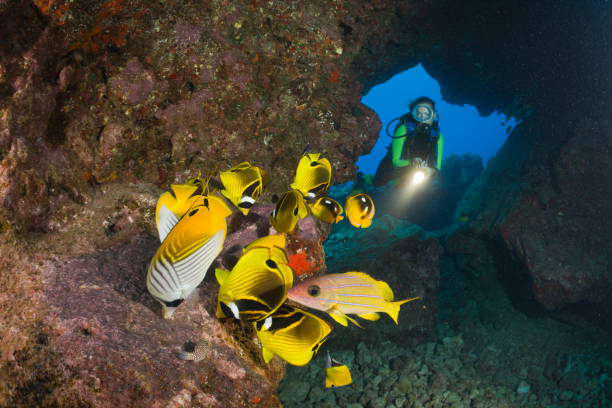
The ocean is Maui’s heartbeat, and it deserves your respect. Coral reefs are living animals, not rocks. Never stand on coral or touch marine life. Snorkel with a float if you are not a strong swimmer, use designated entry points, and keep a respectful distance from sea turtles, dolphins, and Hawaiian monk seals. Do not chase, ride, or feed any wildlife. During whale season, admire humpbacks from a distance and choose operators that follow regulations. On beaches, listen to lifeguards. Currents, shorebreak, and high surf can be dangerous even for experienced swimmers. Enjoy the water, but let the ocean set the terms.
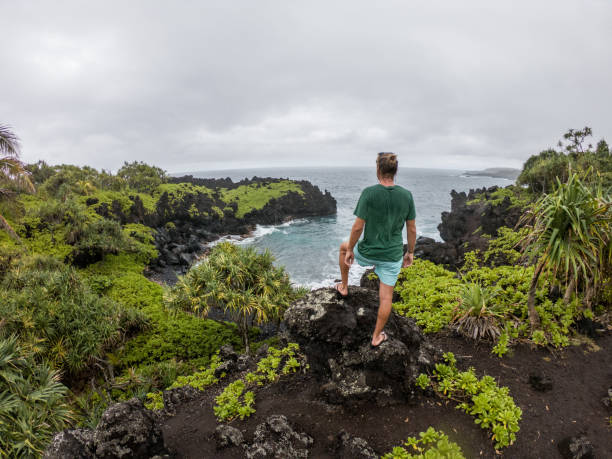
On land, the same principles apply. Hiking trails and the Road to Hana are not amusement park rides. Drive slowly, pull over only at safe and legal spots, and never block driveways or private roads. Stay on marked trails, pack out all trash, and take nothing natural home with you. Rocks, sand, coral, and plants are part of the island’s story and are often protected by law. Sacred places such as heiau, petroglyphs, and ancient fishponds are not photo props. Observe from a distance, do not climb on stone structures, and obey closed signs. Some areas are restricted for cultural or restoration reasons. Respect those boundaries without needing an explanation.
Culture is the heart of respectful travel. Support Hawaiian-owned businesses, artists, farmers, and musicians. Buy from farmers markets, plate lunch spots, and local shops. Tip generously and do not haggle. Attend a hula performance with the understanding that hula is not mere entertainment; it is storytelling, genealogy, and protocol. Learn a few Hawaiian words, but use them sincerely. Ask before photographing people, especially keiki and elders. If you are invited to participate in a cultural practice, follow the guidance of those leading it. Do not treat Hawaiian culture as a souvenir.
You can also travel in ways that strengthen the community. Spend money locally so more of it stays on the island. Consider volunteering for a beach cleanup, invasive species removal, or loʻi restoration project. Donate to local nonprofits that care for land and water. After the 2023 Lahaina fires, respectful travel means supporting recovery without treating tragedy as tourism. Respect closures, avoid disaster sightseeing, and ask how you can help rather than demanding stories. West Maui’s people are rebuilding with strength, and visitors can be part of the support system rather than an added burden.
Sustainable travel does not mean never flying or never visiting. It means making choices that leave Maui healthier than you found it. Reduce what you use, reuse what you can, and respect every place you enter. Slow down. Drive with aloha. Let others merge. Smile at workers who are tired. Say mahalo and mean it. The island does not need more visitors who only consume. It needs guests who contribute to its health, honor its culture, and carry its lessons home. Care for your own place as you would care for Maui, and aloha will travel with you.