Choosing when to visit Maui is less about finding one perfect month and more about matching the island’s rhythms to your travel dreams. Maui changes gently through the year, but each season brings different trade winds, ocean conditions, rainfall, crowds, prices, and cultural moments. For frequent travelers, that variety is part of the magic. For first-time dreamers, it helps to know that Maui is beautiful in every month, though the experience can feel different depending on where you stay and what you hope to do.
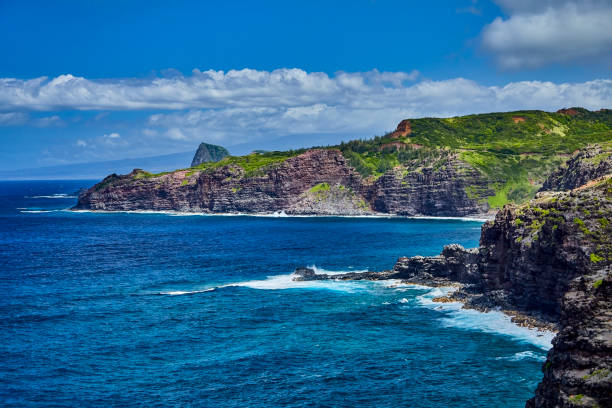
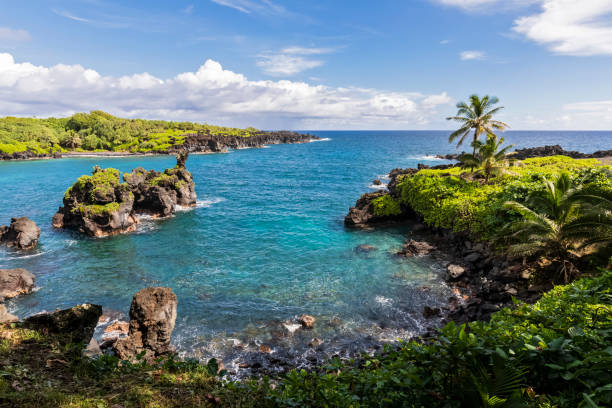
Weather across Maui is shaped by microclimates. West Maui and South Maui, including Lahaina, Ka‘anapali, Kihei, and Wailea, tend to be sunny and dry. The North Shore and East Maui, from Pa‘ia to Hana, receive more rain and lush greenery. Upcountry Maui, around Kula and Makawao, is cooler and often misty. If you are planning a beach-centered trip, the drier months from April through October are generally reliable. If you love waterfalls, rainforest hikes, and the road to Hana, winter rain can make the landscape more spectacular, though you should watch for flash flood warnings and slippery trails.
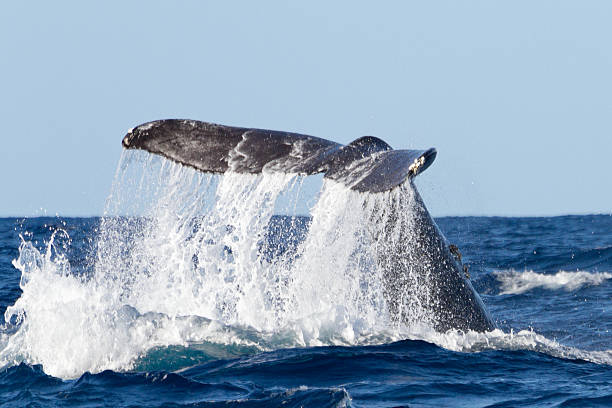
Crowds and prices often matter as much as weather. Maui’s high season runs roughly from mid-December through March, when visitors escape colder climates and humpback whales fill the channels. This is also whale-watching season, a profound experience that draws many travelers. Expect higher airfare and fuller resorts. If you want whales but prefer quieter roads, aim for late January or February and book early. Spring and fall are sweet spots for many repeat visitors. May, September, and October often bring warm days, lighter crowds, and better rates, though some businesses may have shorter hours. Summer is busy with families, but the weather is warm and ocean conditions are usually calm on the south and west shores.
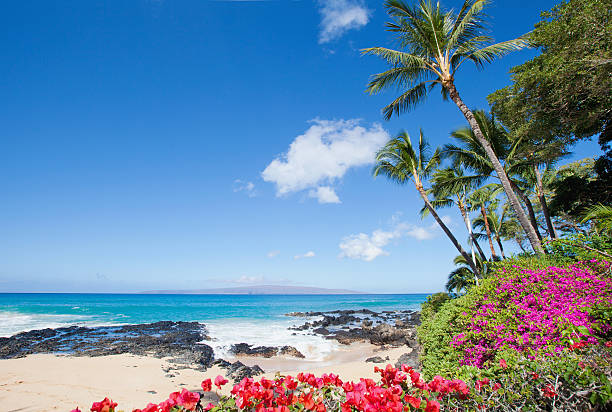
Ocean conditions deserve their own planning. Winter swells can bring powerful surf to north and west facing beaches, which thrills experienced surfers but can make swimming dangerous for others. Summer tends to offer gentler conditions for snorkeling, paddleboarding, and sailing, especially in the early morning before the trade winds build. No matter the season, check with lifeguards and respect local ocean knowledge. The Pacific is powerful, and rip currents can exist even on calm-looking days. For snorkeling at Molokini or Honolua Bay, mornings are usually best. For surfing, winter is the classic season on Maui’s north shore.
Culture and history add another layer to timing. Native Hawaiian traditions follow the natural world, and visitors can honor that by slowing down. The Makahiki season, a traditional time of harvest, rest, and games, generally begins in late October or November and continues into early spring. Throughout the year, Maui hosts cultural festivals, hula competitions, farmers markets, and community gatherings that welcome respectful visitors. If your trip coincides with a local festival, consider it a gift. Attend with humility, support local vendors, and remember that Hawaiian culture is living, not a performance.
Hiking and nature also shift with the seasons. Upcountry trails and Haleakalā National Park can be cold at sunrise, especially in winter, so layers are essential. The summit often drops into the thirties or forties, and wind can make it feel colder. Summer mornings are milder but still chilly before dawn. The road to Hana is beautiful year-round, but winter rains can bring more waterfalls and more risk. Always check conditions, carry water, and turn back if streams are rising. For whale watching, winter is unmatched. For calm snorkeling and long beach days, late spring through early fall is often ideal. For lush green landscapes, winter and early spring can be extraordinary.
The best time to visit Maui depends on your priorities. If you dream of whales breaching against the sunset, come between December and April. If you want fewer crowds and gentle ocean days, consider May, September, or October. If you are chasing waterfalls and rainforest, winter offers abundance, but pack rain gear and flexibility. If you are lucky enough to visit often, you may find that every season becomes your favorite for a different reason. Maui rewards travelers who arrive with curiosity, respect for the island’s culture, and a willingness to let the day unfold at island pace.