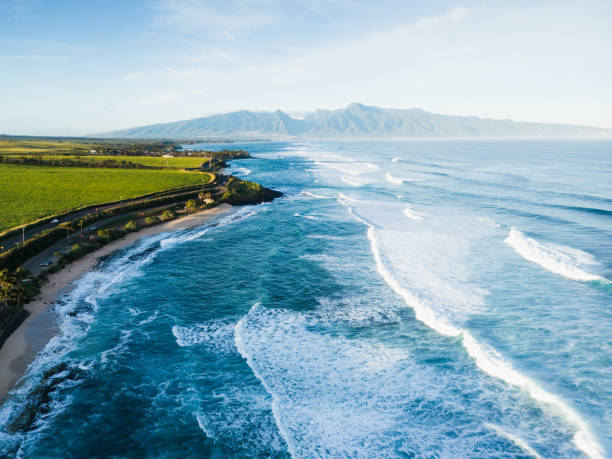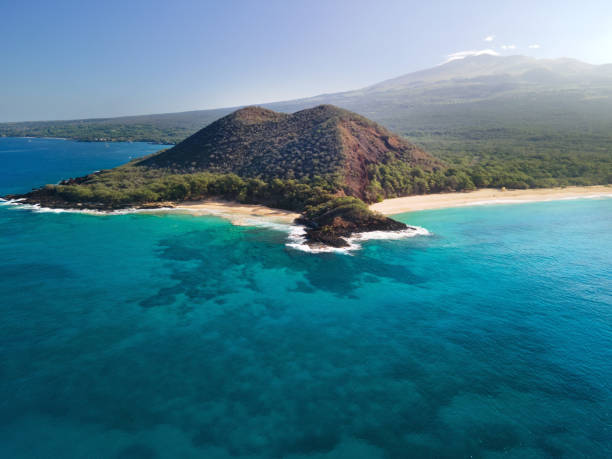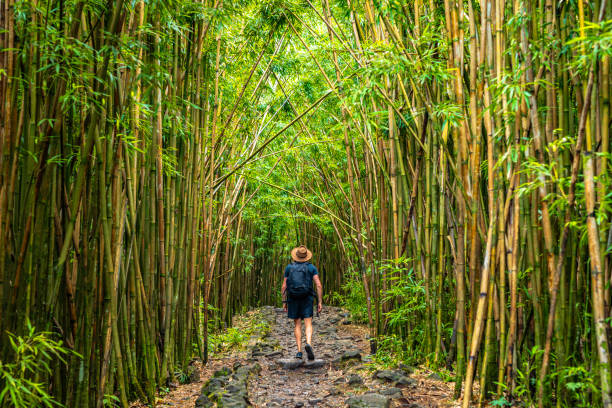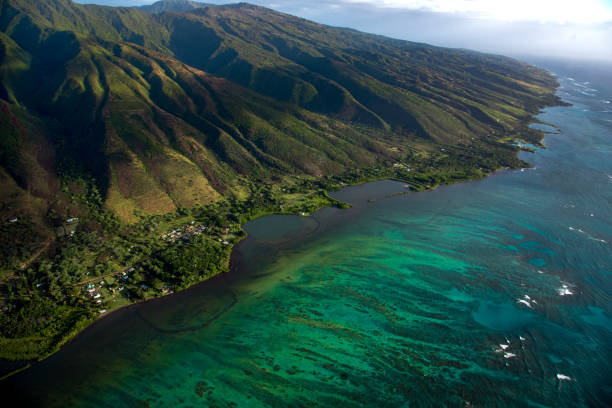
Maui is not just a vacation destination; it is a living place with deep cultural history, fragile ecosystems, and communities that call it home. Travelers who dream of its lava-lined shores, rainforest waterfalls, and humpback-filled waters can also protect it. Sustainable, respectful travel does not mean sacrificing fun. It means small choices that keep Maui beautiful for residents, wildlife, and future visitors.
Start with the ocean, because it is the heart of Maui. Reef-safe sunscreen is essential. Many chemicals in conventional sunscreen damage coral reefs, and Hawai‘i has laws to protect marine environments. Choose mineral-based products or cover up with a rash guard, hat, and shade. When you snorkel or swim, keep a respectful distance from sea turtles, monk seals, and dolphins. These are wild animals, not photo props. Never chase, touch, feed, or corner them. If a monk seal hauls out on the beach, give it lots of space and ask a lifeguard or volunteer for guidance. The same goes for tide pools: look, admire, and leave every shell, rock, and creature where you found it.
On land, the trails and waterfalls that make Maui unforgettable deserve the same care. Stay on marked paths even when a shortcut looks tempting. Cutting switchbacks causes erosion, damages native plants, and can be dangerous. If a trail is muddy, turn back rather than widen it. Pack out everything you bring in, including fruit peels and wrappers that can harm wildlife. Do not stack rocks, carve into trees, or build cairns. These may seem harmless, but they disturb natural and cultural landscapes. Respect closed areas and private property. Many trailheads pass through neighborhoods, so park legally, keep quiet, and never block driveways or emergency access.
Water is precious on an island, and visitors can help conserve it. Take shorter showers, reuse towels and linens when possible, and report leaky faucets. Skip single-use plastics by carrying a refillable water bottle, shopping bag, and reusable utensils. Hawai‘i’s landfills and beaches do not need more plastic. When dining, choose local and sustainable options. Look for restaurants that source fish responsibly, support farmers, and offer plant-based dishes. Eating local means fresher food and a stronger island economy. You can also support farmers markets, food trucks, and family-owned spots rather than only national chains.
Culture and history are not attractions to check off; they are living traditions. Learn a few Hawaiian words and use them with humility. “Aloha” is more than hello; it is a way of being. “Mahalo” is thank you. “‘Āina” means land, and it carries a deep sense of connection and responsibility. Before visiting a heiau, fishpond, or other cultural site, research its significance. Some places are sacred and should not be entered. Observe from a distance, do not touch or move stones, and never take sand, rocks, or artifacts home. That temptation is understandable, but removing pieces of Hawai‘i is disrespectful and can bring bad luck in local belief. Respect kapu, or sacred restrictions, and follow posted signs.
Respectful travel also means respecting people. Maui’s residents are not background characters in your vacation. They are neighbors, families, and stewards of the island. Drive with patience on the Road to Hāna and other winding routes, letting local traffic pass. Do not honk in small towns or treat rural roads like a racecourse. Ask before taking photos of people, especially children and elders. Support Native Hawaiian-owned businesses, cultural practitioners, and artists. When you book tours, choose companies that cap group sizes, educate guests about conservation, and give back to the community. If you can, volunteer for a beach cleanup, native planting project, or nonprofit that protects the island.
Finally, think about the timing and footprint of your trip. Visiting during quieter seasons can reduce pressure on roads, beaches, and infrastructure. Consider staying in one area longer rather than racing around the island. Slow travel gives you a richer experience and lowers your impact. Offset your flights when possible, rent a fuel-efficient vehicle, and combine errands to reduce driving. None of these choices are perfect, and no visitor is without impact. But sustainable travel is a practice, not a badge. It is a series of decisions made with awareness and gratitude. When you visit Maui with aloha, you do more than enjoy a beautiful place. You help protect it, honor its culture, and ensure the island’s spirit remains vibrant for those who call it home and those who dream of arriving.