The nēnē is not a bird you simply check off a list. It is a living symbol of Hawaiian resilience, a goose that evolved on isolated volcanic islands and then nearly vanished because of introduced predators, habitat loss, and human carelessness. On Maui, the best place to meet one in the wild is within Haleakalā National Park, where these endangered birds graze beside trails, roads, and overlooks. Seeing a nēnē there feels like a gift from the mountain itself, but it also comes with responsibility.
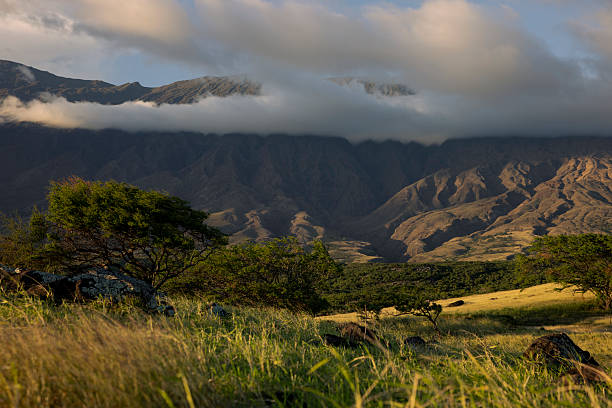
The nēnē, or Hawaiian goose, is the world’s rarest goose. Its ancestors were Canada geese that arrived in Hawaii hundreds of thousands of years ago. Over time, they changed. Their webbing became smaller, and their claws grew stronger, adaptations for walking across rough lava rather than swimming in chilly lakes. They became plant eaters, feeding on grasses, berries, leaves, flowers, and seeds. They also lost some of the migratory urge, settling into life on the slopes of Haleakalā and other Hawaiian volcanoes.
That settled life became dangerous. Polynesian settlers brought rats, pigs, and dogs. Later arrivals brought cats, mongooses, and more grazing animals. Nēnē nest on the ground, and their eggs and goslings are easy prey. By the mid-twentieth century, only a few dozen birds remained. Conservationists stepped in with captive breeding, predator control, and protected nesting areas. The nēnē was brought back from the edge. Today, Haleakalā National Park is one of the strongest places to see the results of that work.
If you drive to the summit of Haleakalā before sunrise, you may spot nēnē near the visitor center or along the road. They often appear unbothered by cars, which is exactly why drivers must slow down. Dawn, dusk, and foggy afternoons are especially risky. A nēnē crossing the road can be difficult to see until it is too late. Give them plenty of space, and never let them eat your snacks. Human food harms their digestion and teaches them to approach people, which leads to dangerous encounters.
Hikers on trails such as Sliding Sands, Halemau‘u, or Hosmer Grove may also encounter nēnē. They might be grazing in a grassy patch, preening on a rock, or leading fluffy goslings through the brush. A nēnē that hisses or spreads its wings is telling you to back off. That is not aggression for its own sake; it is a parent protecting its family. Stay at least twenty feet away, use a zoom lens, and let the birds move freely. If one approaches you, step aside calmly. Never chase, corner, or handle a nēnē.
The best seasons to look for them are during the breeding and nesting months, roughly October through March, though nēnē can be seen year-round. In summer, some adults molt and become flightless for a time, making them even more vulnerable to dogs and vehicles. This is one reason leash laws and speed limits in the park matter. It is also why you should report injured wildlife to park staff rather than trying to help on your own. At Hosmer Grove, watch the grassy edges where the forest opens to sky.
Maui’s native birds are part of a larger story. The island once hosted an extraordinary range of forest birds, seabirds, and insects found nowhere else on Earth. Today, many are rare or extinct. Seeing a nēnē is a reminder that conservation can succeed, but only when people choose to protect what remains. By staying on trails, packing out all food and trash, driving carefully, and keeping your distance, you become part of that protection.
A nēnē sighting on Maui is more than a photo opportunity. It is a meeting with an ancient island lineage that survived against tremendous odds. Whether you are hiking through Haleakalā’s cinder desert or simply watching the sunrise from the summit, keep an eye out for that sturdy goose with the gentle face and the soft honk. If you are lucky enough to see one, let it be wild. That is the greatest respect you can offer, and the best way to ensure future travelers will have the same chance.