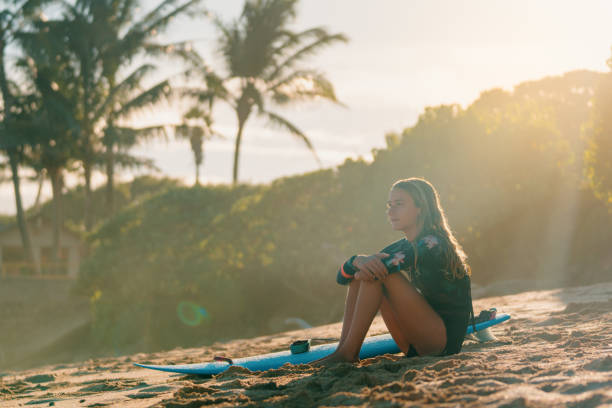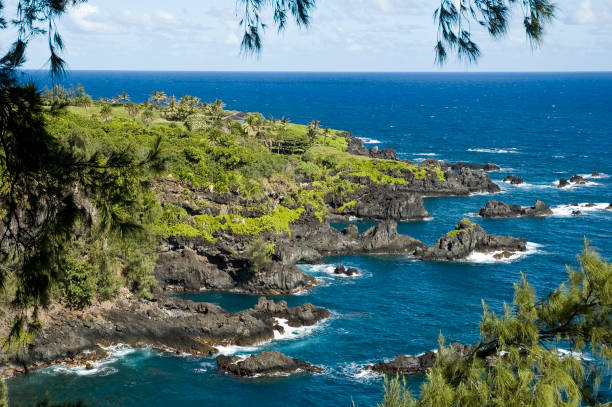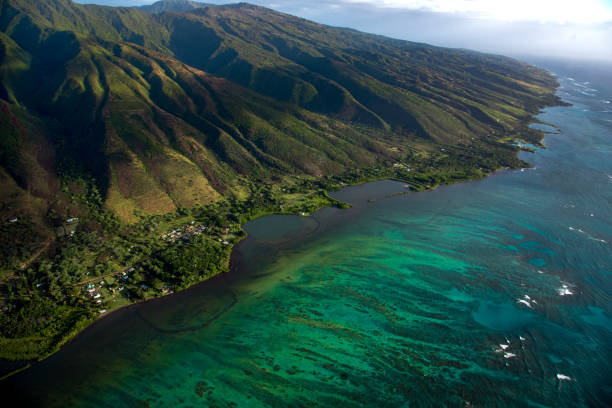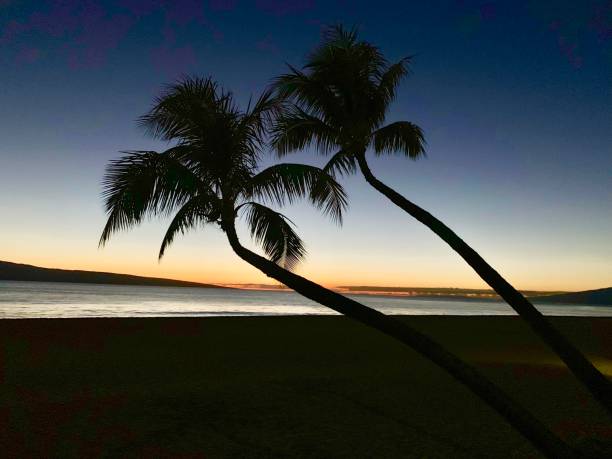
When the sun slides behind Lanai and the sky turns mango and lavender, Maui shifts into a gentler kind of nightlife. This is not a island that tries to out-party Miami or Las Vegas. Here, the best evenings often begin with bare feet, a cold drink, and a seat facing the water. Happy hour is a sacred window, live music drifts from open-air bars, and the dress code rarely goes beyond sandals and an aloha shirt. The trick is knowing where to go, because Maui’s nightlife changes dramatically from one region to the next. Lahaina and Kaanapali lean historic and oceanfront, Kihei is casual and lively, Wailea is polished and resort-ready, Paia and Upcountry feel earthy and local, and Kahului serves up craft beer with a side of food-truck energy.
Happy hour on Maui usually starts earlier than visitors expect, often between three and six in the afternoon, with some late-night versions from nine to eleven. The early timing makes sense. After a day of snorkeling, hiking, or simply baking on the beach, few people want to wait until eight for a bargain. Oceanfront bars in Kaanapali and Kihei offer pupus that could double as dinner: poke, fish tacos, kalua pork sliders, coconut shrimp, edamame, and crispy calamari. Mai tais are everywhere, but so are local craft beers, Koloa rum cocktails, and fresh fruit drinks that taste like vacation in a glass. The discounted prices are real, yet the view remains full price. Arrive early for a railing seat, order two pupus, and watch the sky perform.
Lahaina has long been the classic starting point for Maui nightlife. Front Street’s historic buildings hold bars with open windows, live slack key guitar, and the occasional hula dancer. The mood is social but not frantic, and many venues pair happy hour with sunset views. As Lahaina continues its recovery, it is wise to check which establishments have reopened and support them with patience and aloha. Kaanapali nearby offers resort bars where you can sip a cocktail while listening to acoustic covers and watching torch-lighting ceremonies. It is polished, but still relaxed enough to walk in with sandy feet.
South Maui tells a different story. Kihei is the island’s most easygoing nightlife hub, with sports bars, taco joints, karaoke rooms, and beachside spots along South Kihei Road. Live music here often means local reggae, acoustic rock, or a guitarist taking requests. Happy hour specials are plentiful, and the crowd is a mix of residents, surfers, and travelers who never quite left. Wailea, just minutes away, raises the polish. Resort lounges and craft cocktail bars serve sushi, truffle fries, and beautifully garnished drinks. Happy hour in Wailea may cost more, but the setting, service, and sunset views justify the splurge. You can bar-hop from casual to chic without changing out of your linen shirt.
Head north to Paia and the vibe turns quirky and rustic. This former plantation town has fish markets, small bars, and live music that ranges from blues to indie folk. Upcountry, especially Makawao and Kula, offers a cooler, slower night out. Paniolo country bars pour whiskey, tell stories, and sometimes host country or Hawaiian bands. Kahului is where locals go for craft beer at the source, food trucks, and taproom events. Each region has its own rhythm, so build your night around one area rather than trying to cross the island after dark.
Live music is the heartbeat of Maui nightlife. You will hear slack key guitar, ukulele, falsetto singing, and Hawaiian classics alongside reggae, surf rock, jazz, and blues. Music often starts early, around six or seven, and wraps by nine or ten, which suits travelers still waking with the sunrise. Some venues host open mics, karaoke, or DJs on weekends. Cover charges are usually modest, and tipping musicians is deeply appreciated. Buy a CD or T-shirt if you love what you hear. These artists are part of why Maui feels so alive.
A few practical tips make the night smoother. Check happy hour days and times online, because they change seasonally. Bring cash for tips and small covers. Dress casually but neatly. Most importantly, never drink and drive. Maui’s roads are dark, winding, and sometimes crowded with visitors. Use a rideshare, taxi, or designated driver. Alcohol is not allowed on beaches or in vehicles. Respect local customs, keep voices down in residential areas, and remember that nightlife here is about talking story, not shouting over a crowd. The island winds down early, and that is part of its charm.
Plan your evening around one sunset, one happy hour, and one live music spot. Add dessert, a night swim if your hotel allows it, and a quiet drive home under more stars than you knew existed. Maui after dark does not demand your stamina. It asks for your attention. Give it that, and the island will reward you with a night that feels less like a party and more like a memory.